
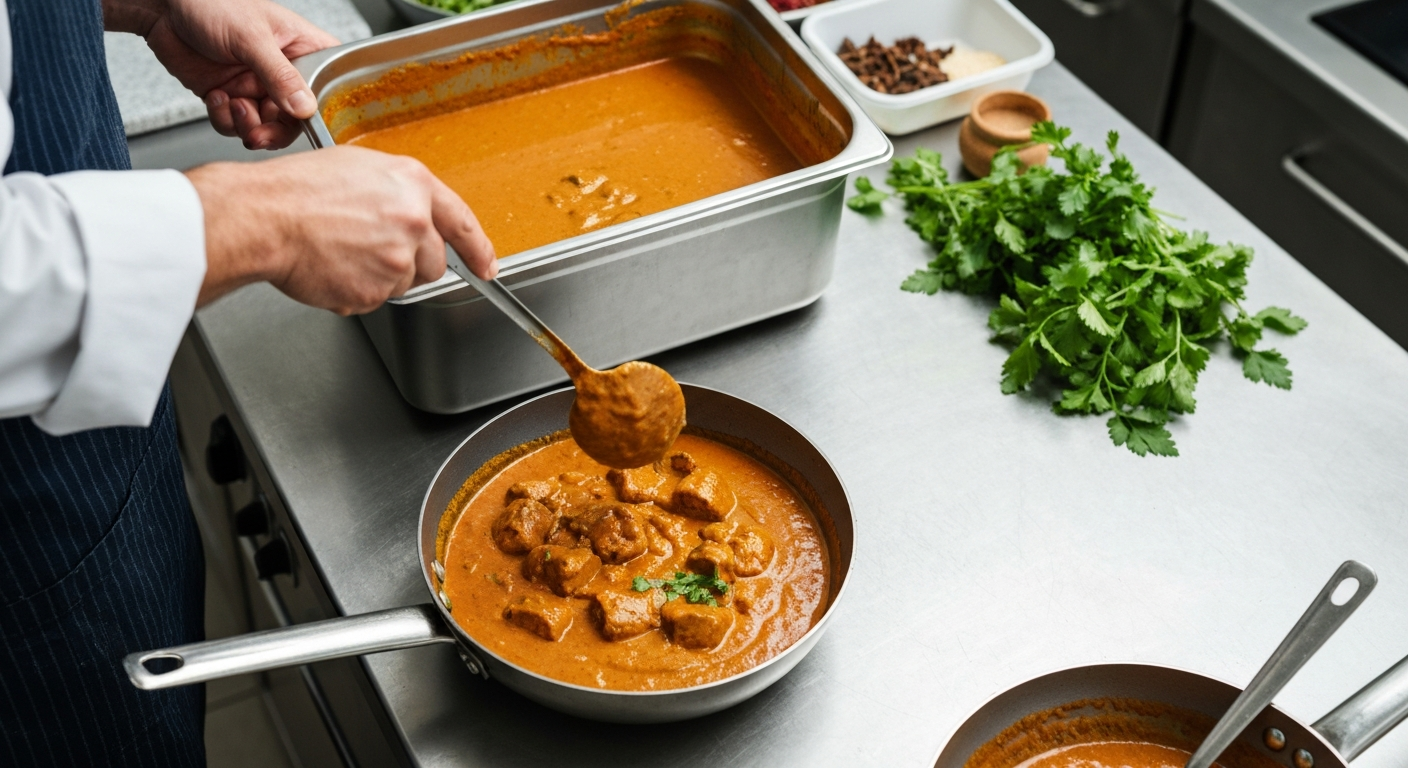
For restaurant owners and chefs specializing in Indian cuisine, maintaining impeccable food safety standards is paramount. Beyond the culinary artistry, navigating rigorous health inspections and ensuring restaurant Indian food safety compliance can present unique challenges. The intricate nature of Indian recipes, often involving numerous ingredients, complex cooking stages, and a wide array of spices, demands meticulous attention to detail at every step. This article delves into these specific challenges and explores practical strategies, particularly how high-quality, pre-made Indian gravies and sauces can significantly simplify compliance, enhance kitchen efficiency, and ultimately contribute to a stellar health inspection record.
The Unique Challenges of Indian Cuisine in Food Safety
Indian cuisine, celebrated globally for its vibrant flavors and aromatic spices, often requires extensive preparation and cooking. This complexity, while a hallmark of its authenticity, can inadvertently increase food safety risks if not managed proactively. Health inspectors focus on several critical areas, and Indian kitchens often face scrutiny in:
- Extensive Ingredient Handling: A typical Indian dish might involve dozens of raw ingredients – fresh vegetables, meats, dairy, legumes, and a vast array of whole and ground spices. Each ingredient introduces a potential point of contamination if not stored, prepped, and handled correctly.
- Complex Multi-Stage Cooking: Many gravies and curries are built in layers, requiring sautéing, simmering, and slow cooking over extended periods. This can make maintaining safe time and temperature controls more challenging, especially during cooling and reheating.
- Cross-Contamination Risks: The sheer volume of different ingredients, from raw meats to fresh produce and dairy, increases the potential for cross-contamination if proper separation and sanitation protocols are not rigorously followed.
- Spice Management: While spices themselves are generally low-risk, their storage, grinding, and incorporation into dishes must be hygienic to prevent introducing contaminants.
- Temperature Control: Maintaining hot foods above 135°F (57°C) and cold foods below 41°F (5°C) is a constant challenge. Cooling large batches of gravies quickly to safe temperatures (e.g., from 135°F to 70°F within 2 hours, and from 70°F to 41°F within an additional 4 hours) requires specific equipment and procedures.
- Allergen Management: Indian cuisine frequently uses common allergens like dairy (ghee, paneer, yogurt), nuts (cashews, almonds), and gluten (wheat flour). Clear segregation and labeling are crucial.
Core Principles of Restaurant Food Safety Compliance
Before exploring solutions, it's essential to understand the fundamental pillars of food safety that health inspectors evaluate. These principles are universal but take on specific nuances within an Indian kitchen:
- Personal Hygiene: Strict handwashing, glove use, and clean uniforms are non-negotiable.
- Prevention of Cross-Contamination: Dedicated cutting boards, utensils, and prep areas for raw meats, produce, and cooked foods are vital. Proper storage (raw below cooked) is key.
- Time and Temperature Control: This is often cited as the most critical factor. Ensuring foods are cooked to safe internal temperatures, held at safe temperatures, and cooled/reheated rapidly and correctly.
- Cleaning and Sanitation: Regular and thorough cleaning of all surfaces, equipment, and utensils using approved sanitizers. Dishwashing temperatures must be adequate.
- Approved Sources and Storage: Sourcing ingredients from reputable suppliers and storing them correctly to prevent spoilage and contamination.
- Pest Control: Maintaining a pest-free environment.
- HACCP Principles: Many jurisdictions require a Hazard Analysis and Critical Control Points (HACCP) plan, which systematically identifies and controls food safety hazards.
How Pre-Made Indian Gravies Simplify Restaurant Indian Food Safety Compliance
Integrating high-quality, professionally manufactured pre-made Indian gravies, pastes, and sauces into your kitchen operations offers a powerful strategy to address many of the food safety challenges outlined above. This approach doesn't compromise authenticity; rather, it allows chefs to focus on finishing dishes with fresh garnishes and personalized touches, while significantly enhancing restaurant Indian food safety compliance.
Reduced Ingredient Handling and Storage
Using pre-made bases drastically cuts down on the number of raw ingredients your kitchen needs to manage daily. This means:
- Fewer Suppliers to Vet: Less complexity in supply chain management.
- Reduced Storage Space: Fewer raw ingredients translate to less crowded refrigerators and dry storage, making organization and cleanliness easier.
- Minimized Spoilage: Shelf-stable or frozen pre-made products have longer, more predictable shelf lives, reducing waste and the risk of using spoiled ingredients.
Consistent Quality and Safety
Professionally manufactured gravies are produced under strictly controlled environments, adhering to precise recipes and safety protocols. This ensures:
- Standardized Production: Each batch is consistent in flavor, texture, and, critically, safety parameters.
- Controlled Environment: Products are manufactured to high standards, often in facilities holding certifications like FSSAI, US FDA, ISO, Halal, HACCP, and GMP. This reduces the risk of contamination inherent in manual, large-batch scratch cooking.
- Reduced Human Error: Many steps prone to human error in ingredient measurement and cooking are eliminated.
Simplified Recipe Execution and Training
With pre-made bases, the complex, multi-stage cooking process of gravies is largely completed. Kitchen staff can focus on assembly and finishing, leading to:
- Fewer Critical Control Points: The number of steps where a food safety hazard could occur is significantly reduced.
- Easier Staff Training: New hires can be trained more quickly and effectively on standardized procedures for using pre-made ingredients, ensuring consistency in preparation and safety.
- Reduced Prep Time: Chefs spend less time on laborious tasks like chopping, grinding, and slow-simmering, freeing them to oversee other critical kitchen operations.
Improved Temperature Control
Pre-made gravies are typically delivered ready to heat and serve, or requiring minimal cooking. This inherently simplifies temperature management:
- Faster Heating: Gravies can be brought to serving temperature quickly, minimizing time in the "danger zone" (41°F-135°F).
- Streamlined Cooling: If large batches of gravies are no longer being made from scratch daily, the challenge of rapidly cooling them is significantly reduced or eliminated.
Enhanced Allergen Management
Reputable suppliers of pre-made ingredients provide detailed allergen information. This allows restaurants to:
- Accurate Labeling: Clearly communicate allergens to customers.
- Controlled Ingredients: Knowing the precise ingredients in a base makes it easier to manage cross-contact risks within the kitchen.
Reduced Cross-Contamination Risk
By minimizing the handling of raw ingredients, especially raw meats and vegetables in the initial stages of gravy preparation, the risk of cross-contamination is substantially lowered. Fewer knives, cutting boards, and surfaces are exposed to potential hazards.
Choosing a Reliable Supplier for Indian Pre-Made Ingredients
When sourcing pre-made Indian gravies, pastes, and sauces, selecting a supplier committed to the highest food safety and quality standards is crucial. Look for partners who demonstrate:
- Robust Certifications: Ensure their products are manufactured under stringent controls, evidenced by certifications such as FSSAI, US FDA, ISO, Halal, HACCP, and GMP. These signify adherence to international and national food safety and quality management systems.
- Consistent Product Quality: Regular quality checks and standardized recipes ensure that every batch meets the same high culinary and safety benchmarks.
- Reliable Logistics: Timely and safe delivery of products is essential. For instance, if a product is in stock in our US (Houston) or local-country warehouse, it ships in 2 days. If not in stock, the lead time is 35-60 days, and customers are notified immediately of any delay. We currently serve businesses in the USA, Canada, UK, UAE, Australia, Germany, Italy, India, France, Ireland, Switzerland, and Netherlands, with more countries being added.
- Minimum Order Quantity (MOQ): Understand their operational requirements. Our minimum order quantity for wholesale clients is a 50 kg minimum order quantity (MOQ).
Conclusion: A Strategic Approach to Compliance and Culinary Excellence
Achieving and maintaining high standards of restaurant Indian food safety compliance doesn't have to be an overwhelming task. By strategically integrating high-quality, pre-made Indian gravies and bases into your kitchen, you can significantly streamline operations, reduce potential food safety risks, and free your culinary team to focus on the art of finishing and presentation. This approach not only safeguards your patrons and reputation but also positions your establishment for consistent success in health inspections. Embrace a smarter, safer way to deliver authentic Indian flavors with confidence.
To learn more about how our range of chef-grade Indian gravies, pastes, and sauces can enhance your kitchen's efficiency and food safety compliance, or to request a quote or sample, please visit ododgroup.com today. Our products are designed to meet the rigorous demands of professional kitchens worldwide.