
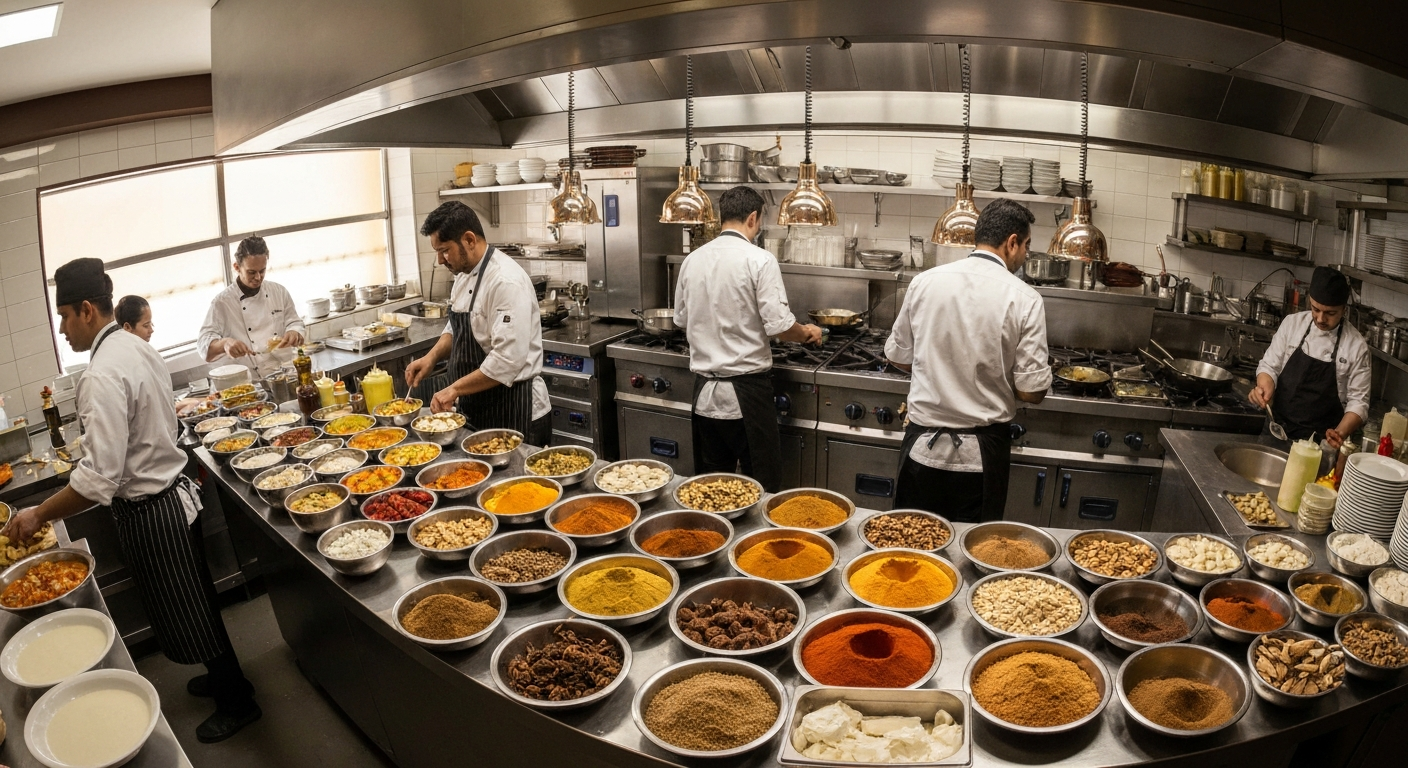
For any professional kitchen, efficiency is paramount. For establishments specializing in Indian cuisine, this imperative takes on added layers of complexity. The sheer diversity of regional dishes, the intricate spice blends, and the traditional slow-cooking methods often challenge even the most experienced culinary teams. During peak hours, the demand for authentic, flavorful, and quickly served Indian food can push kitchen operations to their limits.
This article delves into comprehensive strategies for indian kitchen workflow optimization, designed to help restaurant owners, executive chefs, caterers, and food service operators streamline their processes, reduce wait times, and enhance overall productivity without compromising the rich flavors and authenticity that define Indian cuisine. By implementing smart planning, leveraging modern tools, and adopting strategic sourcing, your kitchen can meet high demand with precision and consistency.
Understanding the Unique Challenges of High-Volume Indian Kitchens
Indian cuisine is celebrated for its aromatic spices, vibrant colors, and diverse flavor profiles, but this complexity often translates into demanding kitchen operations. Key challenges include:
- Extensive Ingredient Preparation: Many Indian dishes begin with a base of finely chopped onions, ginger, garlic, and tomatoes, often slow-cooked to perfection. Grinding fresh spices, making pastes, and marinating meats are time-consuming tasks.
- Diverse Menu Offerings: A typical Indian restaurant menu might span North Indian curries, South Indian dosas, tandoor-baked breads, regional specialties, and a variety of appetizers and desserts. Each category often requires distinct preparation methods and cooking stations.
- Long Cooking Times: Traditional methods for dishes like slow-cooked dals, rich gravies, and biryanis can take hours, making them difficult to produce à la minute during a busy service.
- Maintaining Authenticity: Chefs are often challenged to balance speed with the expectation of traditional flavors and textures, which customers highly value.
- Peak Hour Pressure: Lunch and dinner rushes amplify all these challenges, leading to potential bottlenecks, increased stress, and a risk of inconsistent dish quality or delayed service.
Addressing these challenges requires a systematic approach to workflow optimization, focusing on every stage from procurement to plating.
Strategic Pillars of Indian Kitchen Workflow Optimization
Effective workflow optimization isn't about cutting corners; it's about smart planning and execution. Here are the core pillars:
A. Menu Engineering for Efficiency
Your menu is the blueprint for your kitchen's workflow. Strategic menu design can significantly reduce prep time and improve service speed:
- Analyze Dish Popularity vs. Prep Time: Identify your best-selling dishes. Can their preparation be streamlined? Are there complex, low-selling items that could be simplified or removed?
- Standardize Recipes: Develop precise, detailed recipes for every dish. This ensures consistency in taste, portion size, and preparation steps, making training easier and reducing errors.
- Identify Cross-Utilized Ingredients: Group dishes that share common ingredients or base preparations (e.g., a single onion-tomato gravy base used for multiple curries, or a common marinade for different tandoori items). This minimizes redundant prep.
- Leverage Pre-Preparation Opportunities: Design dishes that allow for significant components to be prepped or partially cooked before service. For example, some dals can be cooked and held, or vegetable preparations can be chopped and stored.
B. The Power of Mise en Place (Pre-Preparation)
"Mise en place" – everything in its place – is the golden rule of efficient kitchens. For Indian cuisine, it's non-negotiable:
- Extensive Ingredient Prep: Dedicate significant time before service hours to chopping all vegetables, grinding fresh spices, making ginger-garlic paste, and preparing marinades. Portioning these ingredients in advance saves crucial minutes during the rush.
- Batch Cooking Foundational Elements: Cook large batches of fundamental components such as plain rice, boiled chickpeas, and specific vegetable bases. Crucially, batch-cook base gravies like a classic onion-tomato gravy, korma gravy, or makhani gravy, which form the backbone of many Indian dishes. These can be cooled rapidly and stored safely.
- Utilizing High-Quality, Pre-Made Gravies and Sauces: This is a significant game-changer for high-volume Indian kitchens. Sourcing chef-grade gravies, pastes, and sauces from trusted suppliers like MITRA can drastically cut down on prep time and labor costs. Products like MITRA's Butter Chicken Gravy or Korma Paste arrive ready to use, ensuring consistent flavor and quality without the extensive, time-consuming preparation from scratch.
- Proper Storage and Labeling: Implement strict FIFO (First-In, First-Out) practices. All prepped ingredients must be correctly labeled with contents and date of preparation to ensure freshness and reduce waste.
C. Optimized Kitchen Layout and Station Design
A well-designed kitchen reduces unnecessary movement and potential bottlenecks:
- Logical Workflow: Arrange stations to follow the natural flow of food preparation: from receiving and storage, to prep, cooking, plating, and finally, service. Minimize cross-traffic.
- Dedicated Stations: Establish distinct zones for different types of cooking, such as:
- Tandoor Station: For breads and grilled meats.
- Curry/Sauté Station: Equipped with multiple burners for gravies and stir-fries.
- Fry Station: For pakoras, samosas, and other fried appetizers.
- Prep Station: Ample space for chopping, mixing, and portioning.
- Dishwashing Station: Away from food prep areas to prevent contamination.
- Ergonomics and Accessibility: Ensure all necessary tools, ingredients, and equipment are within easy reach at each station. Use shelving and mobile carts effectively.
- Hot and Cold Holding: Invest in reliable hot holding cabinets and cold holding units to maintain food safety and temperature for prepped components or cooked dishes awaiting plating.
D. Staff Training and Cross-Training
Your team is your most valuable asset. Empowering them through training is crucial:
- Clear Roles and Responsibilities: Define specific tasks for each team member during different shifts. Everyone should know their duties and how they contribute to the overall workflow.
- Standard Operating Procedures (SOPs): Document every process, from how to clean a specific piece of equipment to the exact steps for preparing a popular dish. SOPs ensure consistency and simplify training for new hires.
- Cross-Training: Train staff members on multiple stations or tasks. This provides flexibility during peak hours, reduces reliance on a single individual, and helps cover absences.
- Emphasis on Speed and Accuracy: Conduct regular drills and provide feedback to improve efficiency without sacrificing quality. Encourage communication and teamwork.
E. Inventory Management and Supply Chain Optimization
Efficient inventory management prevents stockouts and reduces waste, directly impacting workflow and profitability:
- Accurate Forecasting: Utilize sales data from your POS system to accurately predict ingredient needs. This minimizes over-ordering (reducing waste) and under-ordering (preventing stockouts).
- Regular Inventory Checks: Implement a consistent schedule for inventory counts to monitor usage, identify discrepancies, and inform purchasing decisions.
- Reliable Suppliers: Establish strong relationships with suppliers for fresh produce, meats, and specialty ingredients. Consistent quality and timely deliveries are vital.
- Strategic Sourcing for Consistency and Efficiency: For products like chef-grade Indian gravies and pastes, sourcing from a dedicated B2B supplier like MITRA offers significant advantages. Our products are manufactured to rigorous standards, ensuring consistent quality and flavor. A minimum order quantity (MOQ) of 50 kg ensures you have sufficient supply for high-volume operations. When products are in stock in our US (Houston) or local-country warehouses, they typically ship in 2 days. For items not immediately in stock, the lead time is 35-60 days, and customers are notified immediately of any potential delays, allowing for proactive planning.
Leveraging Technology and Modern Solutions
Modern kitchens benefit immensely from technology and specialized equipment:
A. Point-of-Sale (POS) and Kitchen Display Systems (KDS)
- Streamlined Order Transmission: KDS systems instantly display orders to the relevant cooking stations, reducing paper waste and miscommunication.
- Improved Ticket Management: KDS can prioritize orders, track cooking times, and provide real-time updates, allowing chefs to manage multiple tickets efficiently.
- Data Analytics: POS systems offer valuable insights into sales trends, peak hours, and popular dishes, aiding in menu engineering and staff scheduling.
B. Advanced Kitchen Equipment
- High-Capacity Prep Equipment: Industrial-grade food processors, blenders, and mixers can handle large volumes of chopping, grinding, and pureeing, saving significant manual labor time.
- Combi Ovens: Versatile combi ovens can steam, roast, bake, and braise, often simultaneously, improving efficiency for various Indian dishes.
- Pressure Cookers: For dishes like dals or certain meat preparations, commercial pressure cookers dramatically reduce cooking times while retaining flavor and texture.
- Blast Chillers: Essential for safely and rapidly cooling large batches of pre-cooked gravies or proteins, ensuring compliance with food safety standards (HACCP).
- Induction Cooktops: Offer precise temperature control, faster heating, and improved energy efficiency compared to traditional gas ranges.
C. Strategic Sourcing of Pre-Prepared Components
This is where a partnership with a company like ODOD LLC (MITRA brand) truly shines for indian kitchen workflow optimization.
MITRA supplies chef-grade Indian gravies, pastes, sauces, rice, and spices specifically designed for professional kitchens. Our product range is manufactured under stringent quality controls and holds certifications including FSSAI, US FDA, ISO, Halal, HACCP, and GMP, ensuring both safety and authenticity.
By integrating MITRA's products, your kitchen can achieve:
- Unwavering Consistency: Every dish prepared with our gravies will have the same authentic flavor profile, regardless of the chef on duty. This eliminates variability and enhances customer satisfaction.
- Dramatic Speed Enhancement: Pre-made gravies and pastes eliminate the most time-consuming steps of Indian cooking – the initial sautéing of aromatics and slow reduction of gravies. This allows your chefs to focus on finishing dishes quickly during service.
- Significant Labor Savings: Reduce the need for highly skilled labor dedicated to base preparations. Your culinary team can focus on execution, plating, and innovation.
- Precise Cost Control: Predictable ingredient costs and reduced waste contribute directly to your bottom line.
- Enhanced Food Safety: Our products are manufactured in controlled environments, reducing the risk of contamination in your kitchen and ensuring compliance with strict safety standards.
- Scalability: Easily manage sudden spikes in demand. With pre-prepared bases, scaling up production for large catering events or busy nights becomes seamless.
MITRA currently serves professional kitchens in the USA, Canada, UK, UAE, Australia, Germany, Italy, India, France, Ireland, Switzerland, and Netherlands, with our network continually expanding to meet global demand.
Implementing and Monitoring Workflow Changes
Optimizing workflow is an ongoing process:
- Pilot Programs: Introduce new processes or equipment on a small scale first. Gather feedback from your team and make adjustments before full implementation.
- Regular Feedback Loops: Encourage open communication among kitchen staff. They are on the front lines and can provide invaluable insights into what works and what doesn't.
- Key Performance Indicators (KPIs): Track metrics such as average ticket times, food waste percentages, labor costs per cover, and customer satisfaction scores. Use this data to measure the impact of your optimization efforts.
- Continuous Improvement: Kitchens are dynamic environments. Regularly review your workflow, adapt to new menu items, and embrace new technologies or ingredients that can further enhance efficiency.
Conclusion
Achieving peak efficiency in a high-volume Indian kitchen requires a holistic approach – from thoughtful menu design and meticulous mise en place to smart kitchen layout, continuous staff training, and strategic sourcing. By adopting these strategies for indian kitchen workflow optimization, you can transform your kitchen into a well-oiled machine, capable of delivering authentic, high-quality Indian cuisine with speed and consistency, even during the busiest service periods.
Partnering with a trusted supplier like MITRA for your gravies, pastes, and sauces can be a cornerstone of this transformation, providing the consistent quality and efficiency needed to thrive. Explore how MITRA's range of professional gravies and pastes can revolutionize your kitchen's efficiency and consistency. Visit ododgroup.com to request a quote or sample today and take the first step towards a more optimized and profitable operation.