
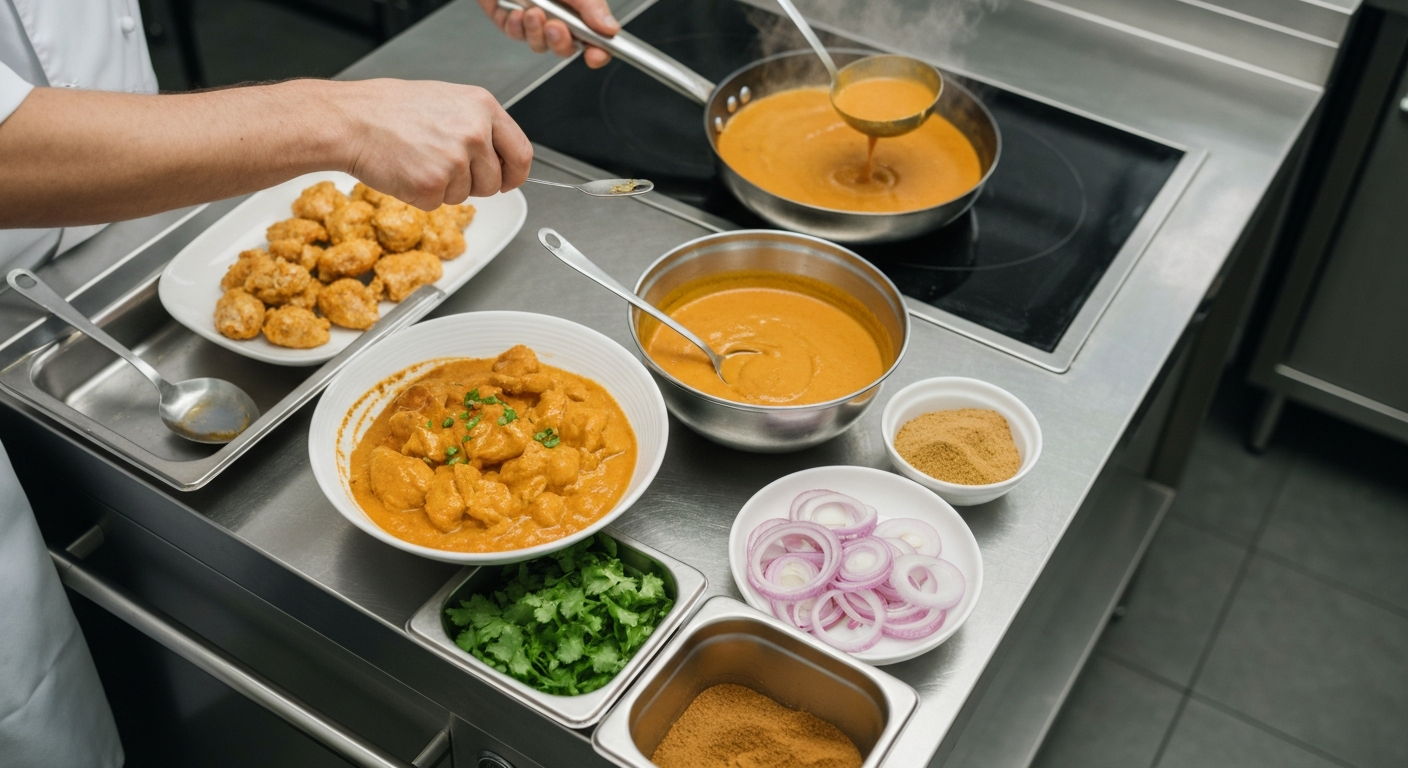
The landscape of food service is rapidly evolving, with ghost kitchens emerging as a dominant model for efficiency and reach. For operators specializing in Indian cuisine, this presents both immense opportunity and unique operational challenges. The intricate nature of Indian dishes, with their diverse spice blends, long cooking times, and multi-stage preparations, often demands significant labor. Achieving ghost kitchen Indian menu labor optimization is not merely about cutting costs; it's about strategic resource allocation to maximize throughput, maintain consistency, and ensure profitability during peak demand.
This article delves into practical strategies for ghost kitchens to streamline their operations, from menu design to advanced supply chain integration, ensuring that the rich flavors of India can be delivered efficiently and consistently, even under high-volume pressures.
The Unique Labor Demands of Indian Cuisine in a Ghost Kitchen Setting
Indian cuisine is renowned for its depth of flavor, which often arises from complex cooking processes. Dishes frequently involve:
- Extensive Ingredient Preparation: Chopping, grinding, roasting, and blending spices, onions, tomatoes, and other aromatics are foundational steps that can be labor-intensive.
- Multi-Stage Cooking: Many gravies and curries require sequential additions and cooking at different temperatures, building layers of flavor over time.
- Diverse Menu Offerings: A comprehensive Indian menu might include tandoor items, curries, biryanis, breads, and desserts, each with distinct preparation requirements.
- Peak Hour Pressure: Ghost kitchens operate on tight delivery windows, and Indian dishes, if not managed strategically, can slow down service during high-demand periods.
These factors, combined with the ghost kitchen's inherent need for speed, consistency, and minimal footprint, underscore the critical importance of intelligent labor management.
Strategic Menu Design for Labor Efficiency
The first step in labor optimization begins long before a dish is cooked: it starts with the menu itself. Thoughtful menu engineering can significantly reduce labor requirements without compromising authenticity or variety.
Standardizing Core Gravies and Sauces
Many Indian dishes share common base gravies – think of a rich tomato-onion gravy for a Butter Chicken or a creamy cashew-based sauce for a Korma. By standardizing and batch-preparing these core components, kitchens can:
- Reduce Prep Time: A single culinary professional can prepare a large batch of gravy, which can then be used across multiple menu items throughout the day or week.
- Ensure Consistency: Standardized recipes for gravies guarantee a consistent flavor profile regardless of which chef is on duty.
- Simplify Training: New staff can quickly learn to finish dishes using pre-prepared bases, rather than mastering complex gravy preparations from scratch.
Leveraging Versatile Ingredients and Techniques
Consider dishes that allow for component reuse or simplified finishing. For example:
- Pre-marinated Proteins: Marinating chicken, paneer, or vegetables in advance reduces on-demand prep.
- Common Vegetable Preparations: Diced onions, garlic-ginger paste, and chopped cilantro can be prepared in bulk.
- Grilling/Tandoor Optimization: Grouping similar tandoor items for simultaneous cooking maximizes oven utilization.
Optimizing Kitchen Workflow and Layout
A well-designed kitchen layout and efficient workflow are paramount for labor efficiency. Ghost kitchens, often operating in compact spaces, must maximize every square foot.
Zoned Workstations
Divide the kitchen into distinct zones based on function:
- Prep Zone: Dedicated area for ingredient washing, chopping, and initial processing.
- Hot Line/Cooking Zone: Equipped with stoves, griddles, and ovens for primary cooking.
- Assembly/Plating Zone: Where cooked components are combined and portioned for delivery.
- Packaging Zone: For final packing and labeling.
This zoning minimizes unnecessary movement, reduces bottlenecks, and allows staff to focus on specific tasks, enhancing speed and reducing errors.
Ergonomic Equipment Placement
Position frequently used equipment and ingredients within easy reach. For instance, spices, oils, and utensils should be close to the cooking stations. Heavy-duty equipment like large blenders or industrial mixers should be placed where they can be accessed by multiple staff members without obstruction.
Leveraging High-Quality Pre-prepared Ingredients and Gravies
One of the most impactful strategies for ghost kitchen Indian menu labor optimization is the strategic adoption of high-quality, pre-prepared gravies, pastes, and sauces. This is where a reliable food supply partner becomes invaluable.
By utilizing chef-grade Indian gravies and pastes, manufactured to rigorous standards like FSSAI, US FDA, ISO, Halal, HACCP, and GMP, kitchens can significantly reduce the labor required for foundational Indian dishes. These products offer several benefits:
- Drastic Reduction in Prep Time: Eliminates hours of chopping, grinding, and slow-cooking for base gravies. Staff can focus on finishing dishes rather than foundational cooking.
- Unwavering Consistency: Every batch of gravy is identical, ensuring that a Butter Chicken tastes the same, every time, regardless of the chef or shift. This is crucial for brand reputation in a delivery-focused model.
- Reduced Skill Requirement: Less reliance on highly skilled chefs for complex base preparations. More junior staff can be trained to assemble and finish dishes with consistent results.
- Minimized Waste: Pre-made products have extended shelf lives and reduce spoilage of fresh ingredients like onions and tomatoes, which are susceptible to fluctuating market prices and quality.
- Scalability: Rapidly scale up production during peak hours or for catering orders without needing to hire additional highly skilled labor.
- Cost Predictability: Stabilizes ingredient costs by reducing reliance on volatile fresh produce markets.
For high-volume operations, a 50 kg minimum order quantity (MOQ) ensures consistent supply. When in stock in our US (Houston) or local-country warehouses, products ship in 2 days. For items not immediately available, the lead time is 35-60 days, with immediate notification of any delay, allowing for proactive inventory management.
Staffing Strategies and Training
Effective labor allocation goes hand-in-hand with smart staffing and continuous training.
Cross-Training and Skill Versatility
Train staff across multiple stations and tasks. A chef who can transition from the hot line to the assembly station or assist with packaging offers invaluable flexibility during peak times. This also empowers employees and reduces monotony.
Flexible Scheduling
Align staff schedules with demand patterns. Utilize part-time staff or staggered shifts to cover peak lunch and dinner rushes without overstaffing during quieter periods. Demand forecasting tools can aid in predicting labor needs.
Clear Roles and Responsibilities
While cross-training is important, ensure each team member has a primary role and clear responsibilities for their shift. This prevents confusion and ensures accountability.
Technology and Automation
Technology plays a pivotal role in modern ghost kitchen operations, complementing labor efforts.
- Advanced Order Management Systems (OMS): Integrates orders from various platforms, streamlines kitchen display systems (KDS), and provides real-time data on order flow and bottlenecks.
- Inventory Management Software: Tracks ingredient usage, forecasts demand, and automates reordering, reducing the labor involved in manual inventory checks and preventing stockouts or overstocking.
- Automated Portioning Equipment: For high-volume sides like rice or specific gravies, automated dispensers can ensure precise portion control and reduce manual labor.
Demand Forecasting and Inventory Management
Accurate demand forecasting is crucial for both ingredient procurement and labor scheduling. Analyzing historical sales data, seasonal trends, and even local events can help predict peak periods.
- Just-in-Time Inventory: Minimize on-hand inventory to reduce waste and storage costs, while ensuring critical items like pre-made gravies are always available.
- Supplier Relationships: Establish strong relationships with reliable suppliers who can meet high-volume demands. Our products are supplied to kitchens across the USA, Canada, UK, UAE, Australia, Germany, Italy, India, France, Ireland, Switzerland, and Netherlands, demonstrating a robust supply chain capability.
Quality Control and Consistency in a High-Volume Environment
Speed should never compromise quality. Implementing stringent quality control checks at various stages ensures that every dish leaving the ghost kitchen meets brand standards.
- Standard Operating Procedures (SOPs): Document every step of the cooking and assembly process, from heating gravies to garnishing. This provides a clear guide for all staff.
- Regular Taste Tests: Implement daily or shift-based taste tests for all prepared components and finished dishes to catch any deviations in flavor or texture.
- Feedback Loops: Encourage feedback from delivery drivers and customers to identify areas for improvement in packaging, presentation, or taste.
Measuring and Adapting for Continuous Improvement
Labor optimization is an ongoing process. Regular analysis of key performance indicators (KPIs) is essential for continuous improvement.
- Labor Cost Percentage: Track labor costs as a percentage of revenue.
- Orders Per Labor Hour: Measure the efficiency of your team.
- Average Preparation Time: Monitor the time taken to prepare different dishes.
- Waste Percentage: Keep an eye on food waste, as it directly impacts profitability and can indicate inefficient prep.
Use these metrics to identify bottlenecks, refine workflows, and make data-driven decisions about staffing, menu adjustments, and further integration of high-quality pre-prepared ingredients.
Conclusion
Achieving ghost kitchen Indian menu labor optimization requires a multi-faceted approach, integrating smart menu design, efficient kitchen layouts, strategic staffing, and the judicious use of technology and high-quality pre-prepared ingredients. By embracing these strategies, ghost kitchen operators can navigate the complexities of Indian cuisine, deliver authentic and consistent flavors at scale, and enhance overall profitability. The ability to serve high-quality Indian food rapidly and consistently is a significant competitive advantage in the burgeoning ghost kitchen market.
To explore how our range of chef-grade Indian gravies, pastes, sauces, rice, and spices can support your ghost kitchen's labor optimization goals, please inquire via ododgroup.com. We are committed to empowering professional kitchens with solutions that blend authenticity with operational efficiency.