
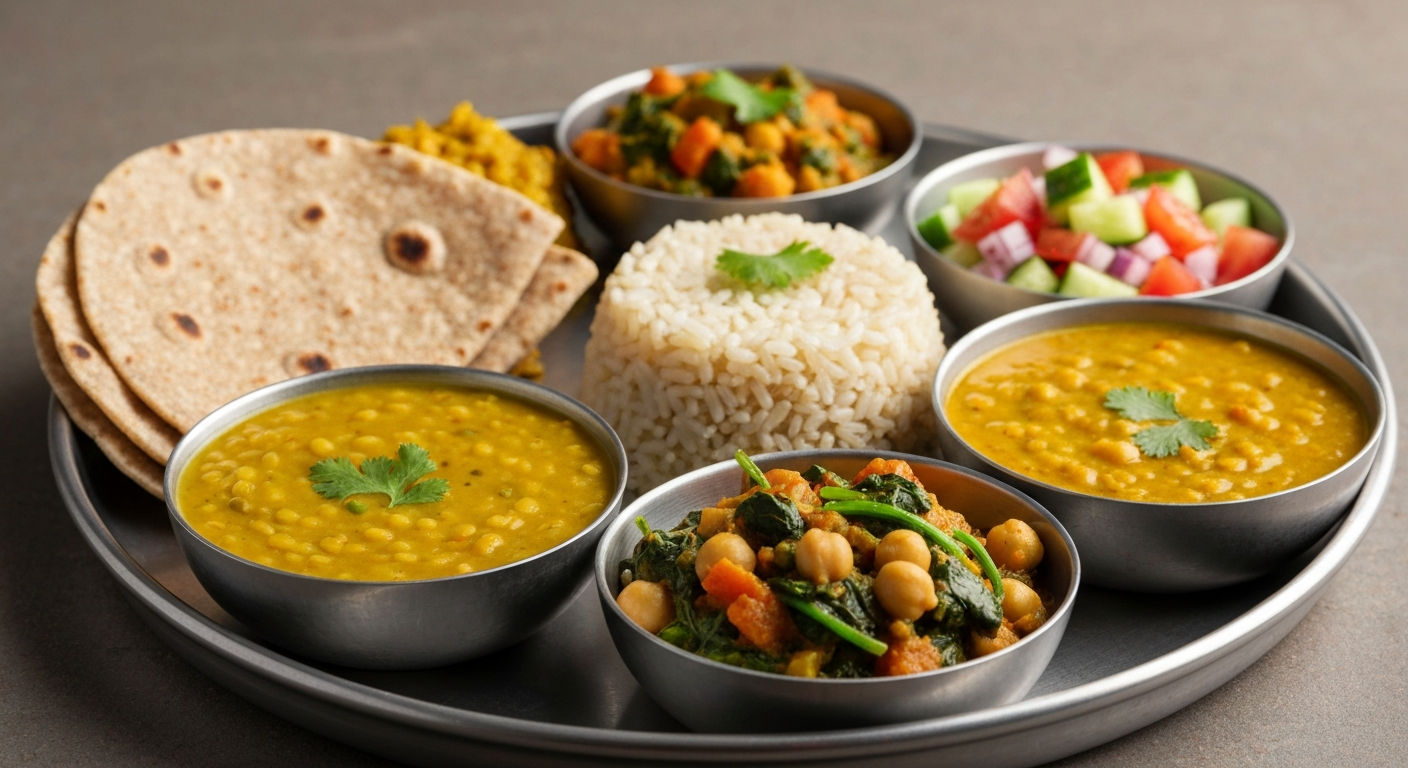
In today's competitive culinary landscape, restaurant success hinges not only on flavor but also on adapting to evolving diner preferences. A significant trend sweeping the food industry is the growing demand for healthier, more nutrient-rich options. Patrons are increasingly seeking dishes that not only taste good but also support their well-being, focusing on ingredients that offer tangible health benefits. For restaurant owners and chefs, this presents a unique opportunity, particularly within the realm of Indian cuisine.
Indian food, celebrated globally for its rich flavors and aromatic spices, is inherently well-positioned to meet this demand. Traditionally, it is abundant in vegetables, legumes, whole grains, and a diverse array of spices, making it a natural fit for a high fiber Indian restaurant menu. This article explores how professional kitchens can leverage the authentic foundations of Indian cuisine to craft a menu that appeals to health-conscious diners without compromising on taste or tradition.
The Growing Demand for Health-Conscious Dining
The shift towards healthier eating is more than a fleeting trend; it's a fundamental change in consumer behavior. Diners are now more informed and proactive about their dietary choices, driven by a greater understanding of nutrition, wellness, and the role of food in preventing chronic diseases. Key drivers for this demand include:
- Focus on Gut Health: The importance of a healthy microbiome has brought fiber-rich foods, fermented ingredients, and diverse plant-based options into the spotlight.
- Plant-Based and Vegetarian Diets: A significant portion of consumers are either adopting fully plant-based diets or actively reducing their meat intake, seeking robust, flavorful vegetarian and vegan options.
- Nutrient Density: Beyond calorie counting, diners are looking for foods that pack a nutritional punch, offering vitamins, minerals, and antioxidants.
- Dietary Restrictions and Allergies: An increasing number of patrons require gluten-free, dairy-free, or low-sugar options, prompting kitchens to offer adaptable dishes.
For restaurants, ignoring these trends means missing out on a substantial and growing customer segment. By proactively developing a menu that addresses these needs, establishments can differentiate themselves, attract new clientele, and foster loyalty among health-aware diners.
Indian Cuisine: A Natural Fit for High-Fiber & Nutrient-Dense Menus
Indian cuisine, with its deep roots in ancient dietary wisdom and regional agricultural diversity, is a treasure trove of naturally high-fiber and nutrient-dense ingredients. Unlike many Western cuisines that have only recently begun to emphasize plant-based eating, Indian food has always celebrated vegetables, pulses, and whole grains as primary components of its meals.
Consider the fundamental elements:
- Legumes and Pulses (Dals): Lentils, chickpeas, and beans form the backbone of countless Indian dishes, providing exceptional dietary fiber, plant-based protein, and a wealth of essential minerals like iron, zinc, and folate.
- Abundant Vegetables: From leafy greens like spinach and mustard greens (saag) to cruciferous vegetables like cauliflower and cabbage, and root vegetables such as carrots and potatoes, Indian cooking incorporates a vast array of produce. These contribute fiber, vitamins (A, C, K), and antioxidants.
- Whole Grains: While white rice is common, traditional Indian diets heavily feature whole grains like wheat (in rotis, parathas), barley, and various millets (bajra, jowar, ragi). These provide sustained energy and crucial fiber.
- Nuts and Seeds: Almonds, cashews, peanuts, sesame seeds, and flax seeds are frequently used in gravies, garnishes, and snacks, adding healthy fats, protein, and fiber.
- Spices: Beyond their flavor-enhancing properties, Indian spices like turmeric, cumin, coriander, ginger, garlic, and fenugreek are renowned for their medicinal qualities, including anti-inflammatory, digestive, and antioxidant benefits.
By focusing on these inherent strengths, chefs can easily curate a high fiber Indian restaurant menu that is both delicious and remarkably healthy.
Crafting a High-Fiber Indian Restaurant Menu: Key Ingredients and Techniques
Developing a high-fiber, nutrient-dense Indian menu involves a thoughtful approach to ingredient selection, cooking methods, and menu presentation. Here's how to build such a menu:
Legumes and Pulses: The Backbone of Fiber
Legumes are paramount for a fiber-rich Indian menu. They are economical, versatile, and packed with nutrients. Highlight dishes featuring:
- Dals (Lentils): Offer a variety. Masoor Dal (red lentils) is quick-cooking and mild, while Toor Dal (split pigeon peas) is a staple in sambar. Moong Dal (split yellow lentils) is easily digestible, and Chana Dal (split chickpeas) provides a heartier texture. Urad Dal (black gram) is used in rich dishes like Dal Makhani. Ensure preparations are not overly laden with cream or butter to keep them light and healthy.
- Chickpeas (Chana): A versatile ingredient for Chana Masala, curries, or even roasted as a snack or salad topping.
- Kidney Beans (Rajma): A popular North Indian staple, Rajma curry is robust and satisfying.
Abundant Vegetables for Flavor and Fiber
Indian cuisine's strength lies in its vegetable-centric dishes. Emphasize preparation methods that retain nutrients and fiber:
- Leafy Greens: Spinach (saag), mustard greens, fenugreek leaves (methi) can be incorporated into dals, curries, or stir-fried as side dishes. Palak Paneer (spinach with cheese) can be made healthier by reducing cream and increasing spinach.
- Cruciferous Vegetables: Cauliflower (Gobi), cabbage, and broccoli are excellent sources of fiber. Gobi Matar (cauliflower and peas) or mixed vegetable curries are great options.
- Root Vegetables: Carrots, potatoes, and sweet potatoes add natural sweetness and texture. Aloo Gobi (potato and cauliflower) is a classic.
- Other Vegetables: Okra (Bhindi), eggplant (Baingan), peas (Matar), bell peppers, and green beans can be featured in dry sabzis (vegetable stir-fries) or light gravies. Roasting or steaming vegetables before adding them to a light sauce can enhance their natural flavors and retain more nutrients than deep-frying.
Whole Grains and Millets: Beyond White Rice
While white rice is common, offering whole grain alternatives significantly boosts the fiber content of a meal.
- Brown Rice: A simple switch from white basmati to brown basmati rice can dramatically increase fiber and nutrient intake.
- Whole Wheat Breads: Offer whole wheat roti, paratha, or even whole wheat naan. Tandoori roti is often made with whole wheat flour.
- Millets: Introduce traditional Indian millets like Bajra (pearl millet), Jowar (sorghum), and Ragi (finger millet) as healthier alternatives to rice or wheat. They can be served as a side, in pilafs, or as flour for flatbreads.
- Modern Grains: Consider incorporating quinoa or barley into Indian-inspired salads or pilafs for a contemporary twist.
Nuts, Seeds, and Healthy Fats
Used judiciously, nuts and seeds add texture, healthy fats, protein, and fiber.
- Nuts: Almonds and cashews can be used in smaller quantities to thicken gravies or as a garnish, providing healthy fats and protein. Peanuts are great in South Indian dishes or as a crunchy topping.
- Seeds: Sesame seeds, flax seeds, and chia seeds can be sprinkled on dishes for added nutrition and texture. Pumpkin and sunflower seeds can also be incorporated.
- Healthy Fats: While ghee is traditional, use it in moderation. Mustard oil (especially in Bengali cuisine) and coconut oil (in South Indian dishes) are traditional healthy fats. Focus on cooking methods that require less oil, such as stir-frying, baking, or grilling.
Spices: Flavor Enhancers and Nutrient Powerhouses
Indian spices are not just for flavor; they are potent sources of antioxidants and compounds with various health benefits.
- Turmeric: Known for its anti-inflammatory properties due to curcumin.
- Cumin: Aids digestion and is a good source of iron.
- Coriander: Helps with digestion and provides antioxidants.
- Ginger and Garlic: Both have strong anti-inflammatory and immune-boosting properties.
- Fenugreek: Can help regulate blood sugar and improve digestion.
Highlighting these spices on your menu can educate diners about the inherent health benefits of their meal choices.
Menu Development Strategies for High-Fiber Indian Dishes
Integrating high-fiber options into your menu requires strategic planning and creative execution.
Reimagining Classics
Many beloved Indian dishes can be adapted to be healthier without sacrificing authenticity:
- Lighter Gravies: Reduce cream and butter in dishes like Butter Chicken or Dal Makhani. Substitute with yogurt, tomato puree, or cashew paste (used sparingly) for richness. Increase the proportion of vegetables or lentils.
- Vegetable-Forward Curries: For dishes like Chicken Tikka Masala, increase the amount of bell peppers, onions, and other vegetables in the sauce. Offer vegetable-only versions of popular meat curries.
- Whole Grain Accompaniments: Always offer brown rice and whole wheat roti/naan as standard options alongside white rice and refined flour breads.
- Healthier Frying: Instead of deep-frying, opt for air-frying, baking, or shallow-frying for items like samosas or pakoras, or offer steamed versions like dhokla.
Introducing New, Health-Focused Items
Expand your menu with dishes specifically designed for health-conscious diners:
- Indian-Inspired Salads: Create vibrant salads with ingredients like sprouted lentils, chickpeas, cucumber, tomatoes, and a light lemon-tamarind dressing. Offer grilled paneer or chicken tikka as protein add-ons.
- Nutrient-Dense Soups: Offer clear lentil soups (Dal Shorba), vegetable broths with Indian spices, or a hearty mixed vegetable soup.
- Plant-Based Protein Focus: Develop specific menu sections for vegan and vegetarian dishes that highlight protein from lentils, chickpeas, paneer (for vegetarians), or tofu.
- Healthy Appetizers: Offer roasted makhana (fox nuts), steamed dhokla, or vegetable skewers.
Portion Control and Presentation
How you present and portion your dishes can significantly impact perception and consumption:
- Highlight Healthy Aspects: Use clear, descriptive language on your menu to call out high-fiber, plant-based, gluten-free, or low-sugar options. Mention key ingredients and their benefits.
- Balanced Thalis: Offer a balanced thali (platter) that includes a whole grain, a dal, a vegetable sabzi, and a small portion of yogurt or raita. This naturally encourages portion control and diverse nutrient intake.
- Visually Appealing: Healthy food should look appetizing. Use fresh garnishes, vibrant colors, and thoughtful plating to make dishes irresistible.
Streamlining Your Kitchen with MITRA's Solutions
Developing and consistently delivering a high-fiber Indian restaurant menu can be labor-intensive. This is where high-quality, pre-prepared ingredients become invaluable. ODOD LLC, under the MITRA brand, offers chef-grade Indian gravies, pastes, sauces, rice, and spices designed to empower professional kitchens to create authentic and healthy Indian dishes efficiently.
Our products are manufactured to stringent FSSAI, US FDA, ISO, Halal, HACCP, and GMP standards, ensuring both safety and consistent quality. By utilizing MITRA's wholesale Indian gravies and pastes, restaurants can:
- Ensure Consistency: Maintain the exact flavor profile and nutritional integrity of your high-fiber dishes every time, regardless of staff changes or ingredient availability.
- Reduce Prep Time: Significantly cut down on the time and labor required for chopping, grinding, and slow-cooking, allowing your chefs to focus on finishing and presentation.
- Control Costs: Minimize food waste and manage ingredient inventory more effectively, leading to better cost control.
- Scale Operations: Easily scale up production to meet demand without compromising on quality or health standards.
Imagine crafting a delicious Chana Masala or a vibrant Palak Dal by simply combining our authentic, high-quality base gravies with fresh vegetables and legumes. This approach allows you to expand your healthy offerings efficiently, catering to the growing market for nutrient-dense Indian food.
ODOD LLC supports restaurants across the USA, Canada, UK, UAE, Australia, Germany, Italy, India, France, Ireland, Switzerland, and Netherlands, with more countries being added. Our minimum order quantity (MOQ) is a 50 kg minimum. For products in stock at our US (Houston) or local-country warehouse, orders ship in just 2 days. If a product is not in stock, the lead time is typically 35-60 days, and customers are notified immediately of any potential delays.
Conclusion
The demand for healthier, high-fiber, and nutrient-dense menu options is a powerful force reshaping the restaurant industry. Indian cuisine, with its inherent richness in vegetables, legumes, whole grains, and beneficial spices, is uniquely positioned to meet this demand. By thoughtfully adapting classic recipes, introducing new health-focused dishes, and leveraging high-quality wholesale ingredients, restaurants can create a compelling high fiber Indian restaurant menu that delights diners and boosts business.
Partnering with a trusted supplier like ODOD LLC (MITRA brand) provides the consistency and efficiency needed to execute this vision successfully. Explore how our chef-grade gravies, pastes, and spices can empower your kitchen to deliver authentic, healthy, and delicious Indian food, making your restaurant a destination for health-conscious patrons.
Ready to elevate your menu with authentic, high-quality Indian ingredients? Inquire today at ododgroup.com to learn more about our products and wholesale solutions.