
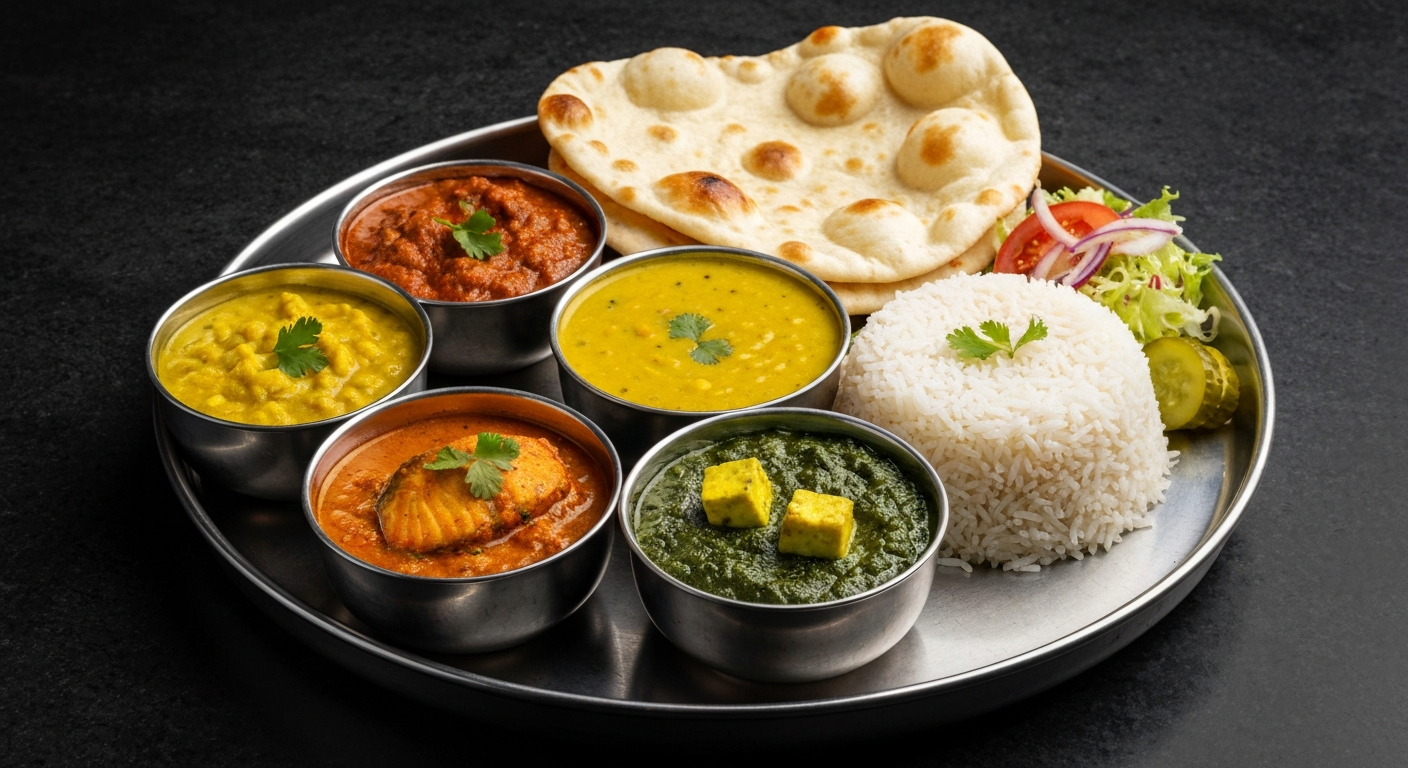
The culinary world, particularly the vibrant landscape of Indian cuisine, is in a constant state of evolution. For foodservice operators—from bustling restaurants and cloud kitchens to caterers and hotel chains—staying ahead of these shifts is not merely an advantage; it's a necessity for sustained success. The challenge lies in accurately predicting what diners will crave next, identifying emerging ingredients, and understanding subtle shifts in regional preferences before they become mainstream. This is where ai indian food trend analysis foodservice offers a transformative solution.
Traditional methods of trend spotting, while valuable, often rely on retrospective data or limited market observations. Artificial Intelligence (AI) and data analytics, however, introduce a new paradigm: predictive culinary intelligence. By processing vast datasets, AI can uncover patterns and forecast trends with a speed and accuracy human analysis alone cannot match, empowering foodservice businesses to innovate proactively and secure a significant competitive edge.
The Dynamic Canvas of Indian Cuisine in Foodservice
Indian cuisine is renowned for its incredible diversity, with each region boasting unique flavors, ingredients, and cooking techniques. From the rich, creamy gravies of North India to the fiery, coconut-infused curries of the South, and the delicate seafood preparations of the coasts, the spectrum is vast. However, this diversity also presents a challenge for foodservice operators aiming to offer authentic yet appealing menus.
Consumer palates are becoming increasingly sophisticated. Diners are no longer content with a generic 'Indian' menu; they seek authenticity, novel regional dishes, and innovative fusions. Furthermore, dietary preferences like veganism, gluten-free, and low-carb options are influencing menu choices more than ever. Keeping pace with these demands, while also managing costs and operational efficiency, requires a strategic approach. Manually sifting through social media, food blogs, competitor menus, and customer feedback for actionable insights is a monumental task. This is precisely where AI steps in.
What is AI-Powered Food Trend Analysis?
At its core, AI-powered food trend analysis involves using machine learning algorithms to process and interpret massive amounts of data related to food and dining. This data can originate from numerous sources:
- Social Media: Tracking mentions, hashtags, and engagement around specific dishes, ingredients, or culinary styles.
- Search Engine Data: Analyzing search queries for recipes, restaurant types, and food keywords.
- Online Reviews and Forums: Identifying sentiment and recurring themes in customer feedback.
- Menu Data: Aggregating and analyzing menu changes across thousands of restaurants, both domestically and internationally.
- Food Blogs and Publications: Scanning for emerging ingredients, cooking techniques, and chef recommendations.
- Demographic and Geographic Data: Understanding how trends vary across different age groups, locations, and cultural backgrounds.
- Sales Data: Analyzing internal sales data from POS systems to identify rising stars and declining items.
- Supply Chain Data: Monitoring ingredient availability, pricing fluctuations, and new product introductions from suppliers.
By synthesizing these diverse data streams, AI systems can identify subtle patterns, correlations, and anomalies that indicate nascent trends. For example, an AI might detect a surge in social media mentions for a specific regional Indian dish, combined with an increase in search queries for its key ingredients, and a slight uptick in its appearance on innovative restaurant menus. This triangulation of data points allows for a more confident prediction of its future popularity.
How AI Enhances Indian Food Trend Analysis for Foodservice Operations
For foodservice businesses specializing in Indian cuisine, leveraging AI offers several tangible benefits, transforming how menus are conceived, ingredients are sourced, and customer experiences are delivered.
1. Predicting Regional Resurgences and Niche Dishes
AI can pinpoint which lesser-known regional Indian dishes are gaining traction. Imagine an AI predicting a surge in demand for Keralan fish moilee, Goan prawn balchão, or Himachali dham. This allows chefs to introduce these authentic dishes to their menus proactively, appealing to adventurous diners and setting their establishment apart. Instead of waiting for a trend to peak, operators can be among the first to offer it.
2. Flavor Profile Forensics and Ingredient Intelligence
Beyond specific dishes, AI can analyze emerging flavor profiles. Is there a growing preference for smoky notes, a particular souring agent like kokum, or a unique spice blend? AI can identify these shifts. Similarly, it can forecast demand for specific ingredients—be it indigenous grains like millets, specific varieties of chilies, or plant-based protein alternatives like jackfruit or tofu prepared in Indian styles. This intelligence is crucial for menu development and efficient ingredient sourcing.
3. Adapting to Dietary Preferences with Precision
The demand for vegan, gluten-free, and other dietary-specific options continues to grow. AI can track the specific types of Indian dishes or ingredients that are being searched for or reviewed positively within these categories. For example, it might identify a rising interest in lentil-based curries (dal) prepared without ghee or specific millet-based breads, allowing kitchens to adapt their offerings to cater to these lucrative segments effectively.
4. Optimized Menu Innovation and Development
With AI insights, menu development becomes less about guesswork and more about data-driven strategy. Chefs can experiment with new dishes or refine existing ones with confidence, knowing they align with forecasted consumer preferences. This reduces the risk of introducing unpopular items and ensures menu freshness, directly impacting customer satisfaction and repeat business.
5. Streamlined Supply Chain and Inventory Management
Predictive analytics extends to the supply chain. By forecasting demand for specific ingredients, foodservice operators can optimize their purchasing, reduce waste, and negotiate better prices with suppliers. If AI predicts a spike in demand for a certain spice or vegetable, procurement teams can adjust orders in advance, ensuring continuity and cost efficiency. For example, ODOD LLC’s MITRA brand, supplying chef-grade Indian gravies, pastes, sauces, rice, and spices, becomes a critical partner here. With a 50 kg minimum order quantity (MOQ), and products manufactured to FSSAI, US FDA, ISO, Halal, HACCP, and GMP standards, operators can confidently procure the necessary components to meet emerging demands. Products in stock in our US (Houston) or local-country warehouses ship in 2 days; for items not in stock, lead time is 35-60 days, with immediate notification of any delays.
6. Gaining a Competitive Edge
Ultimately, the ability to anticipate and respond to trends faster than competitors is a significant advantage. It allows businesses to be perceived as innovators, attracting new customers and solidifying loyalty among existing ones. In a crowded market, being the first to offer an authentic, trending regional Indian dish or a popular dietary adaptation can be a game-changer.
Implementing AI for Indian Cuisine Trends in Your Kitchen
Integrating AI into your foodservice operations doesn't necessarily require a complete overhaul. It can be a phased approach:
- Data Integration: Start by centralizing your existing data—POS systems, online ordering platforms, and customer feedback. Explore tools that can scrape public data from social media and review sites.
- Choosing the Right Tools/Partners: Several AI platforms and data analytics services specialize in the foodservice industry. Some may offer specific modules for ethnic cuisine trend analysis. Consider partnering with experts if in-house capabilities are limited.
- Cross-Functional Collaboration: Ensure open communication between culinary teams, marketing, and operations. Chefs provide the culinary expertise, while AI provides the data-driven direction.
- Iterative Development: Treat menu innovation as an ongoing process. Use AI insights to develop new dishes, test them, gather feedback, and refine. This agile approach ensures continuous relevance.
Remember, AI is a powerful tool, but it's not a replacement for culinary creativity and expertise. It serves as an intelligent co-pilot, providing data-backed insights that empower chefs and operators to make more informed, strategic decisions.
The MITRA Advantage: Supporting Your Culinary Innovation
As you leverage ai indian food trend analysis foodservice to identify the next big wave in Indian cuisine, ensuring a consistent supply of high-quality ingredients is paramount. MITRA by ODOD LLC is dedicated to empowering professional kitchens with authentic, chef-grade Indian gravies, pastes, sauces, rice, and spices. Our products are manufactured to rigorous FSSAI, US FDA, ISO, Halal, HACCP, and GMP standards, ensuring both safety and consistent flavor profiles for your culinary creations.
Whether your AI insights point to a renewed interest in a specific regional curry base, a demand for unique spice blends, or a need for high-quality basmati rice for an emerging dish, MITRA is equipped to support your menu innovation. We serve a growing list of countries including the USA, Canada, UK, UAE, Australia, Germany, Italy, India, France, Ireland, Switzerland, and Netherlands, ensuring your kitchen has access to the best ingredients, wherever you are.
Conclusion
The future of Indian cuisine in foodservice is dynamic, driven by evolving consumer preferences and a growing appreciation for regional diversity. By embracing ai indian food trend analysis foodservice, operators can move beyond reactive responses to proactive innovation. AI provides the clarity and foresight needed to master emerging trends, optimize operations, and craft menus that resonate deeply with today's discerning diners. Partnering with reliable suppliers like MITRA further ensures that your innovative culinary vision can be brought to life with consistency and quality.
Ready to transform your Indian cuisine offerings with data-driven insights and premium ingredients? Explore how MITRA can support your kitchen's future success.
Inquire via ododgroup.com today to request a quote or sample.