
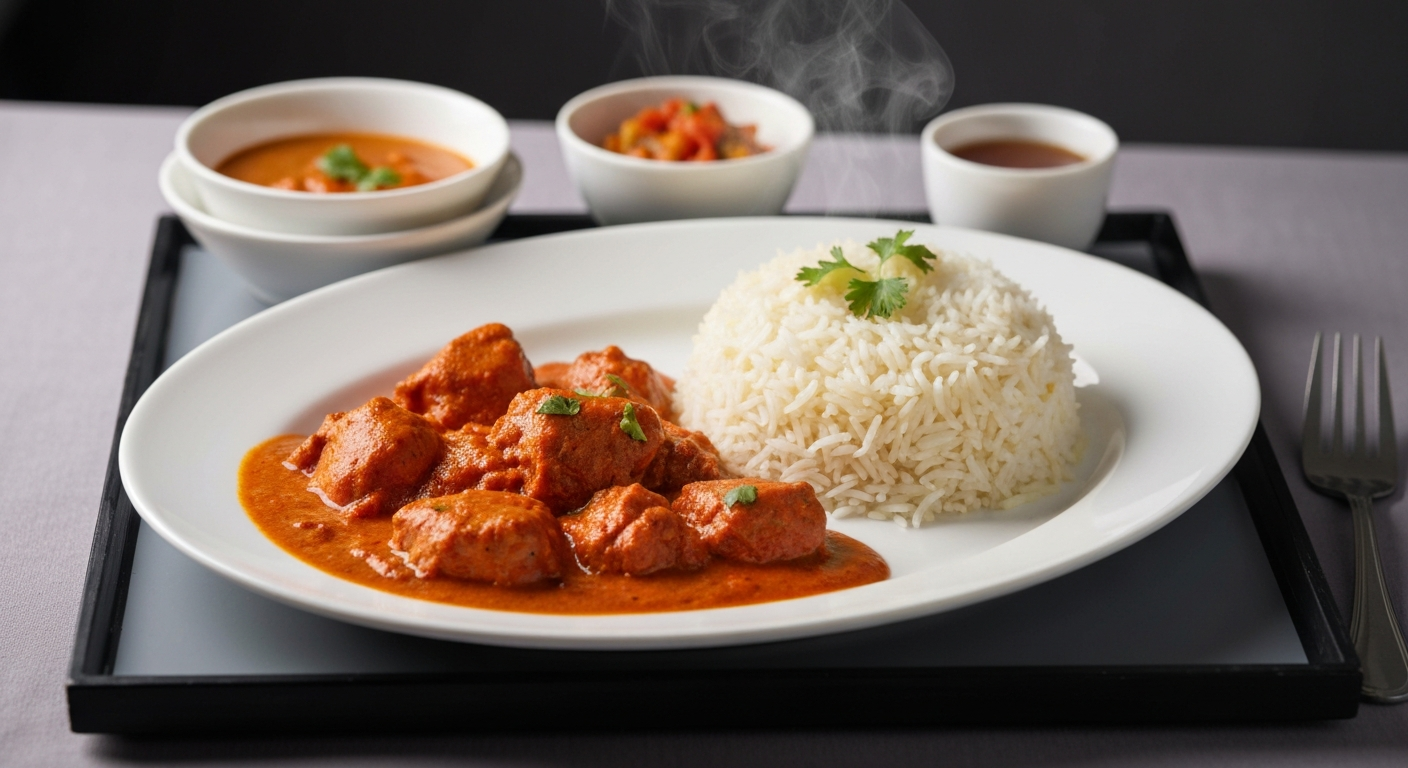
The global demand for diverse and authentic culinary experiences extends far beyond land-based restaurants, reaching high into the skies and across the seas. For airline and cruise line caterers, delivering exceptional dining experiences is a critical component of passenger satisfaction. Among the most sought-after cuisines is Indian food, renowned for its complex flavors, aromatic spices, and varied textures. However, maintaining the integrity of these dishes from preparation to plate, especially after rethermalization, presents a unique set of challenges. This article explores strategies to ensure superior travel catering Indian food rethermalization quality, preserving the authentic taste and texture that discerning passengers expect.
The Intricacies of Indian Cuisine in Travel Catering
Indian cuisine is characterized by a sophisticated interplay of spices, fresh ingredients, and distinct cooking methods. A single dish can feature dozens of ingredients, each contributing to a layered flavor profile. When these dishes are prepared for large-scale catering operations, particularly for travel, they must undergo processes like chilling, freezing, and subsequent rethermalization. These steps, while essential for food safety and logistical efficiency, can significantly impact the final product if not managed meticulously.
Challenges Specific to Indian Dishes:
- Flavor Degradation: Delicate spices can become muted, bitter, or lose their aromatic complexity when subjected to temperature fluctuations. The vibrant top notes of fresh herbs can dissipate.
- Texture Compromise: Vegetables can turn mushy, gravies can split or become watery, and proteins might dry out or become rubbery. Naan or other breads can lose their characteristic chewiness and crispness.
- Color Fading: The vibrant hues derived from turmeric, saffron, and chilies can dull, impacting visual appeal.
- Cross-Contamination Risk: Large-scale handling necessitates stringent hygiene protocols to prevent foodborne illnesses, especially with diverse ingredients.
- Operational Constraints: Limited galley space, varied rethermalization equipment (convection ovens, steam ovens, microwaves), and strict service windows demand efficiency without sacrificing quality.
For catering operations that prioritize `airline food quality` and `cruise line catering Indian` offerings, understanding these challenges is the first step towards overcoming them.
Science of Rethermalization: Impact on Indian Food Components
Rethermalization is the process of heating pre-cooked, chilled or frozen food to a safe serving temperature. While seemingly straightforward, the physics and chemistry involved can profoundly alter food characteristics. Different methods impact food differently:
- Convection Ovens: Use hot air to heat food, ideal for dishes that benefit from a crisp exterior or even cooking. Can dry out gravies or delicate items if not monitored.
- Steam Ovens: Use moist heat, excellent for preventing drying and maintaining moisture, suitable for rice, vegetables, and some gravies. Can make some textures soggy.
- Microwave Ovens: Heat food rapidly using electromagnetic radiation. Can cause uneven heating, leading to cold spots or localized overcooking, which can severely damage texture and flavor.
The key to successful travel catering Indian food rethermalization quality lies in selecting the appropriate method and meticulously controlling parameters to minimize negative impacts on `flavor retention` and `texture preservation`.
Strategies for Maximizing Rethermalization Quality
Achieving peak travel catering Indian food rethermalization quality requires a multi-faceted approach, integrating product formulation, packaging, and precise operational protocols.
1. Ingredient Selection and Product Formulation for Robustness
- Stabilized Gravies and Pastes: The foundation of many Indian dishes, gravies must be formulated to withstand heating cycles without splitting, curdling, or becoming oily. This involves careful balancing of fats, acids, and thickeners.
- Spice Profile Engineering: Spices should be robust enough to retain their character after rethermalization but not so aggressive that they become overpowering or bitter. Techniques like slow roasting and tempering can enhance stability.
- Texture-Resistant Vegetables: Selecting vegetables that hold their structure well (e.g., paneer, chickpeas, certain root vegetables) and cooking them slightly underdone (`al dente`) during initial preparation can prevent mushiness upon reheating.
- High-Quality Proteins: Using high-grade meats or plant-based proteins that maintain succulence and texture through the heating process is crucial.
MITRA products are developed with these considerations in mind, offering `shelf-stable Indian gravies` and pastes engineered for `culinary consistency` and rethermalization resilience.
2. Advanced Pre-preparation and Cooking Techniques
- Controlled Cooking: Initial cooking should be precise, ensuring food is cooked just enough to be safe and palatable, leaving room for the rethermalization step to complete the process without overcooking.
- Rapid Chilling: Immediately after cooking, food must be rapidly chilled to safe temperatures to halt bacterial growth and preserve quality. This is a critical step for `food safety standards`.
- Portioning: Consistent portion sizes ensure uniform heating during rethermalization, preventing some parts from being overcooked while others remain cold.
3. Innovative Packaging Solutions
Packaging plays a pivotal role in protecting food during storage, transport, and rethermalization.
- Hermetically Sealed Containers: Prevent moisture loss, flavor leakage, and contamination. Oven-safe and microwave-safe materials are essential.
- Modified Atmosphere Packaging (MAP): For certain products, MAP can extend shelf life and preserve freshness by controlling the gas mixture inside the package, crucial for `pre-made Indian meals`.
- Dual-Ovenable Trays: Designed to go directly from chiller to oven, simplifying operations and reducing handling.
- Compartmentalized Trays: Keep different components of a meal separate, preventing flavors from mingling prematurely and allowing for different rethermalization requirements for each element.
4. Precise Rethermalization Protocols
Even with the best products and packaging, improper rethermalization can ruin a meal. Detailed protocols are essential.
- Calibrated Equipment: Regular maintenance and calibration of rethermalization equipment ensure accurate temperatures and consistent performance.
- Clear Instructions: Catering staff must have clear, concise instructions for each dish, specifying heating times, temperatures, and methods. Visual guides can be helpful.
- Temperature Monitoring: Regular temperature checks of re-thermed food before serving are non-negotiable for `food safety standards` and quality assurance.
- Holding Times: Minimize holding times after rethermalization to serve food at its peak quality, preventing further degradation.
The MITRA Advantage: Elevating Your Travel Catering Offerings
ODOD LLC, through its MITRA brand, specializes in providing chef-grade Indian gravies, pastes, sauces, rice, and spices specifically designed for professional kitchens, including demanding travel catering environments. Our commitment to travel catering Indian food rethermalization quality is embedded in every product we offer.
Formulated for Performance and Authenticity
Our products are not simply bulk ingredients; they are culinary solutions. Developed by experienced chefs, MITRA gravies and pastes are formulated to maintain their authentic flavor, vibrant color, and desirable texture through the entire catering process, from preparation to rethermalization. This ensures that a Korma remains creamy and subtly spiced, a Madras retains its fiery depth, and a rich Dal Makhani presents perfectly, no matter the journey.
By utilizing MITRA's `bulk Indian food supply`, caterers can achieve unparalleled `culinary consistency` across all flights and voyages. This standardization not only guarantees a premium passenger experience but also streamlines kitchen operations, reduces labor costs, and minimizes waste associated with scratch cooking complex Indian dishes.
Unwavering Commitment to Quality and Safety
Our products are manufactured to the highest global standards, ensuring both exceptional taste and rigorous `food safety standards`. We hold comprehensive certifications including FSSAI, US FDA, ISO, Halal, HACCP, and GMP. These certifications are a testament to our dedication to quality control, from sourcing raw materials to the final packaged product.
Seamless Supply Chain for Global Operations
ODOD LLC understands the logistical demands of global catering. We serve a growing list of countries, including USA, Canada, UK, UAE, Australia, Germany, Italy, India, France, Ireland, Switzerland, and Netherlands. Our minimum order quantity (MOQ) is 50 kg, accommodating the needs of large-scale operations.
For products in stock at our US (Houston) or local-country warehouses, shipping is expedited within 2 days. For items not immediately in stock, the lead time is typically 35-60 days, and customers are notified immediately of any potential delays, ensuring transparent and reliable planning for your `catering solutions for Indian food`.
Conclusion
Delivering `authentic Indian cuisine for travel` that consistently meets high standards of flavor and texture after rethermalization is a complex endeavor, but it is entirely achievable with the right strategy and partners. By focusing on robust product formulation, advanced preparation techniques, smart packaging, and precise rethermalization protocols, airline and cruise line caterers can significantly enhance their travel catering Indian food rethermalization quality.
Partnering with ODOD LLC and the MITRA brand provides access to chef-grade Indian gravies, pastes, and ingredients specifically engineered to excel in these challenging environments. Elevate your passenger dining experience with consistent, authentic Indian flavors that delight and impress. Discover how our solutions can transform your `airline food quality` and `cruise line catering Indian` offerings.
Ready to enhance your Indian food offerings? Inquire about our products and request a quote or sample today at ododgroup.com. Our team is ready to support your culinary excellence.