
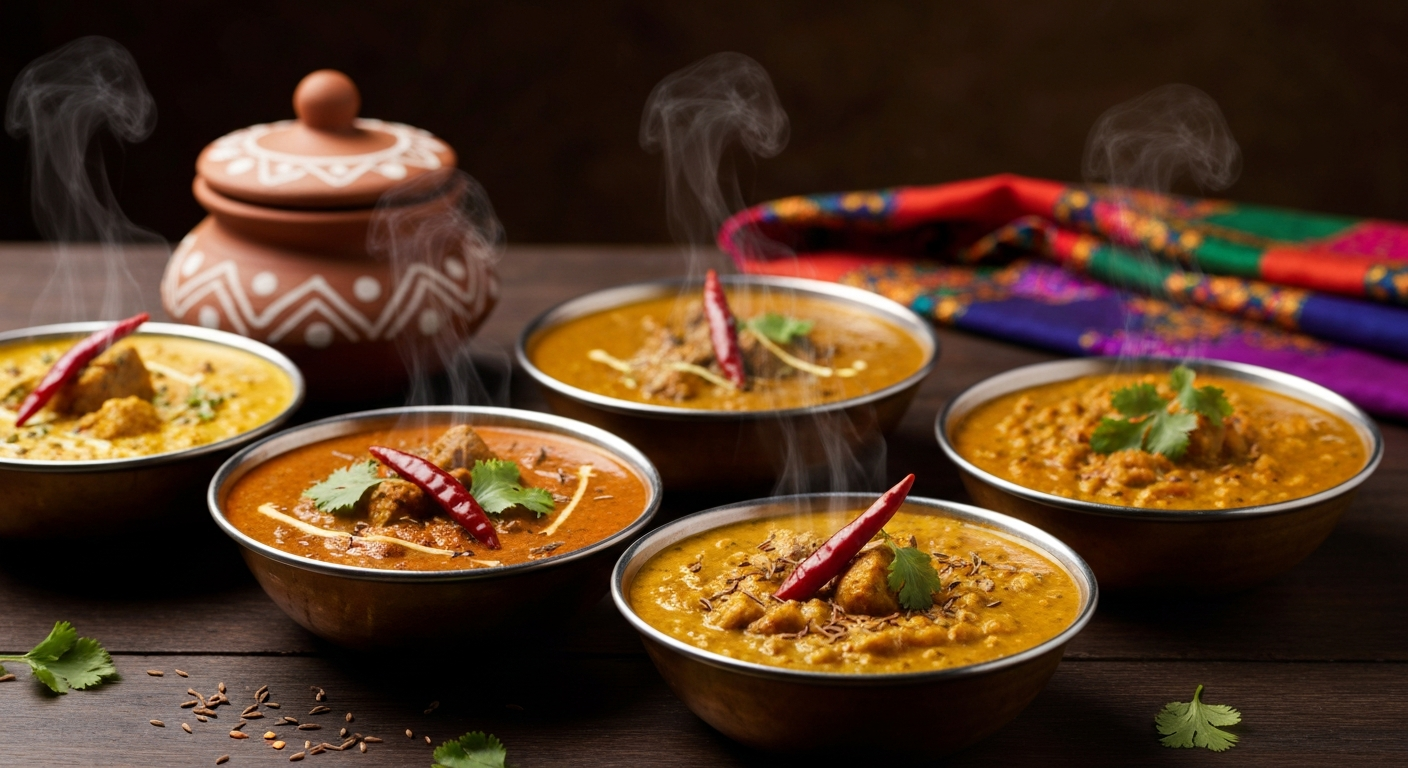
The culinary landscape is constantly evolving, with ghost kitchens at the forefront of innovation, offering agility and lower overheads compared to traditional brick-and-mortar establishments. For operators seeking to diversify their offerings and tap into high-demand cuisines, an effective ghost kitchen Indian pop-up strategy presents a significant opportunity. Indian food, with its rich flavors and diverse regional dishes, holds immense appeal. However, traditionally, preparing authentic Indian cuisine demands specialized skills, extensive ingredient sourcing, and considerable kitchen labor. This is where the strategic use of consistent, chef-grade Indian gravies, pastes, and sauces becomes a game-changer for rapid, profitable concept deployment.
The Ghost Kitchen Advantage for Indian Concepts
Ghost kitchens are uniquely positioned to capitalize on the demand for Indian food. Their inherent flexibility allows for quick menu changes, concept testing, and adaptation to market trends without the high investment of physical dining spaces. Indian cuisine, known for its complex flavor profiles and often labor-intensive preparation, can be streamlined within this model, particularly when leveraging high-quality, pre-prepared bases. This approach minimizes the need for extensive training in traditional Indian cooking techniques, making it feasible for a broader range of kitchen staff.
Why Indian Food Resonates with Delivery Models
Indian dishes often travel well, making them ideal for delivery-centric ghost kitchen operations. Curries, biryanis, and tandoori items retain their quality and flavor during transit, ensuring a positive customer experience. Furthermore, the sheer variety of Indian regional cuisines—from the rich, creamy dishes of North India to the fiery, spice-laden preparations of the South—offers endless possibilities for creating distinct pop-up concepts tailored to specific demographics or culinary trends.
Overcoming Traditional Challenges in Indian Kitchens
Operating a traditional Indian kitchen presents several hurdles that can impede the rapid launch and scalability desired by ghost kitchen operators:
- Labor Intensive Preparation: Authentic Indian cooking often involves hours of chopping, grinding, sautéing, and slow-cooking to build foundational flavors. This translates to high labor costs and a reliance on highly skilled, specialized chefs.
- Consistency Issues: Achieving culinary consistency across multiple shifts or locations can be challenging. Slight variations in ingredient ratios, cooking times, or spice blends can significantly alter the final dish, impacting customer satisfaction and brand reputation.
- Ingredient Sourcing and Waste: Sourcing a wide array of fresh, high-quality spices and ingredients can be complex and costly. Furthermore, perishable fresh ingredients can lead to significant food waste if not managed precisely.
- Training Demands: Training new staff in the intricacies of Indian cooking is time-consuming and requires a steep learning curve, hindering rapid expansion or concept iteration.
The Solution: Consistent Indian Bases for Efficiency and Quality
High-quality, pre-made Indian gravies, pastes, and sauces directly address these operational challenges, offering a strategic advantage for ghost kitchens. These products are manufactured to stringent quality standards, providing a reliable foundation for a diverse range of Indian dishes.
Ensuring Culinary Consistency
With pre-prepared bases, every batch of curry, every sauce, and every marinade starts with the exact same flavor profile. This eliminates variability, guaranteeing that a butter chicken, a rogan josh, or a vindaloo tastes identical, regardless of who is preparing it or which ghost kitchen location it originates from. This consistency is paramount for building customer loyalty and maintaining brand integrity across multiple pop-up concepts.
Accelerated Menu Development and Deployment
Imagine launching a new Indian pop-up concept in weeks, not months. Consistent bases dramatically cut down the time required for recipe development and staff training. Chefs can focus on finishing touches, protein selection, and presentation, rather than spending hours on foundational gravy preparation. This speed allows ghost kitchens to quickly test market demand for new Indian dishes or regional specialties, pivot rapidly, and respond to emerging culinary trends.
Cost Efficiency and Waste Reduction
Leveraging consistent bases translates to significant cost savings. Reduced labor hours for prep work directly impacts payroll. Less reliance on fresh, perishable spices and ingredients minimizes spoilage and waste. Furthermore, accurate portion control becomes easier when working with standardized bases, optimizing food costs. The initial investment in high-quality bases is often offset by these operational efficiencies, leading to improved profit margins.
Staffing Simplicity and Training
Ghost kitchens benefit from a streamlined staffing model. With pre-made bases, kitchen staff can be trained quickly on assembly and finishing techniques, rather than complex scratch cooking. This reduces the need for highly specialized (and often expensive) chefs, making staffing more flexible and cost-effective. It also empowers a broader range of culinary professionals to produce authentic Indian dishes with confidence.
Scalability and Expansion
For ghost kitchens aiming for multi-unit expansion or deploying several pop-up concepts simultaneously, the standardization offered by consistent bases is invaluable. Recipes can be replicated effortlessly across different kitchens, ensuring a uniform product. This scalability is crucial for growth, allowing operators to expand their reach and market share without compromising on quality or consistency.
Developing Your Ghost Kitchen Indian Pop-Up Strategy
Implementing a successful ghost kitchen Indian pop up strategy involves thoughtful planning and execution.
Market Research and Niche Identification
Before launching, conduct thorough market research. Identify underserved niches in your delivery radius. Is there demand for South Indian street food? A vegan Indian concept? Or perhaps a modern fusion Indian menu? Understanding your target demographic and their culinary preferences will inform your menu development and branding.
Menu Engineering with Base Gravies
Work backward from your chosen bases. A high-quality butter chicken gravy can be the foundation for multiple dishes: a classic butter chicken, a paneer butter masala, or even a creamy vegetable korma. A robust vindaloo paste can be adapted for chicken, lamb, or potato vindaloo. Focus on versatility and how each base can contribute to several distinct menu items, maximizing efficiency and minimizing inventory complexity.
Operational Streamlining
Design your kitchen workflow around the efficiency of pre-made bases. Optimize your inventory management to ensure a steady supply without excessive stock. Consider packaging solutions that maintain food quality during delivery and enhance the customer's unboxing experience. The goal is to minimize prep time and maximize output, especially during peak hours.
Marketing and Branding for Pop-Ups
Even in a ghost kitchen model, branding is vital. Create a compelling brand identity for each Indian pop-up concept. Use high-quality food photography, clear and enticing menu descriptions, and targeted digital marketing to reach your audience. Highlight the authenticity and quality of your dishes, emphasizing the rich flavors and fresh ingredients, even if starting with a consistent base.
Partnering for Success: MITRA's Gravies and Pastes
For ghost kitchen operators looking to implement a successful Indian pop-up strategy, sourcing high-quality, reliable Indian gravies, pastes, and sauces is critical. MITRA, an American food-supply company, provides chef-grade Indian culinary bases designed for professional kitchens. Our extensive range of products allows for the creation of authentic Indian dishes with unparalleled consistency and efficiency.
Our products are manufactured to rigorous standards, holding certifications such as FSSAI, US FDA, ISO, Halal, HACCP, and GMP, ensuring both safety and quality. This commitment to excellence means you can trust the foundational flavors of your Indian pop-up concepts.
We understand the demands of commercial operations. Our minimum order quantity (MOQ) is 50 kg, designed to support professional kitchens. For rapid deployment, if a product is in stock in our US (Houston) or local-country warehouse, it ships in 2 days. For items not immediately in stock, the lead time is 35-60 days, and customers are notified immediately of any delay. We currently serve businesses in the USA, Canada, UK, UAE, Australia, Germany, Italy, India, France, Ireland, Switzerland, and Netherlands, with our network continuously expanding.
Conclusion
The opportunity for ghost kitchens to launch profitable Indian pop-ups is significant. By strategically leveraging consistent, high-quality Indian gravies, pastes, and sauces, operators can overcome traditional challenges related to labor, consistency, and scalability. This approach enables rapid concept deployment, optimizes operational costs, and ensures a consistently authentic and delicious product for customers. Embrace the efficiency and culinary excellence that consistent bases provide, and position your ghost kitchen for success in the dynamic world of Indian cuisine.
Ready to explore how MITRA's chef-grade Indian gravies and pastes can elevate your ghost kitchen Indian pop-up strategy? Visit ododgroup.com to request a quote, sample, or wholesale inquiry.