
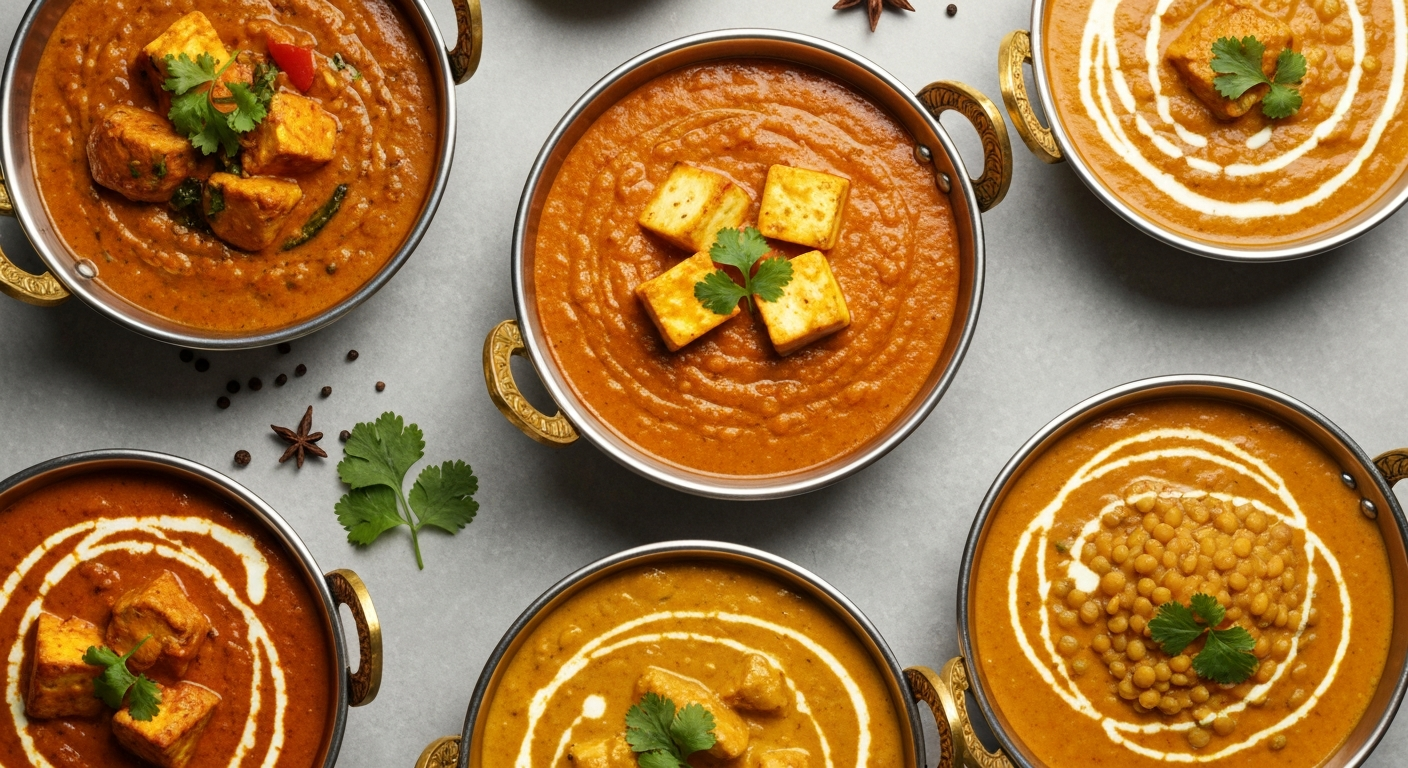
The culinary landscape is constantly evolving, and diners are increasingly seeking authentic, diverse, and high-quality global flavors. For restaurant operators, meeting this demand, especially for complex cuisines like Indian, presents both an opportunity and a significant challenge. Balancing the desire for restaurant Indian menu diversification with the realities of kitchen efficiency, labor costs, and consistent quality can be a tightrope walk.
Traditional Indian cooking is renowned for its depth of flavor, achieved through meticulous layering of spices, slow cooking, and fresh ingredient preparation. While this method yields unparalleled authenticity, replicating it consistently across a busy professional kitchen, or multiple locations, can be resource-intensive. This is where the strategic integration of versatile, chef-grade Indian gravies, pastes, and bases becomes a powerful tool for innovation and operational excellence.
The Evolving Landscape of Indian Cuisine in Professional Kitchens
Modern diners are more adventurous than ever. Beyond the universally loved Butter Chicken and Chicken Tikka Masala, there's a growing appetite for regional Indian specialties—dishes from the coastal regions of Kerala, the rich flavors of Rajasthan, the unique preparations of Bengal, or the subtly spiced gravies of Kashmir. This trend pushes restaurants to expand their Indian offerings beyond a few standard North Indian items.
However, this expansion comes with operational hurdles:
- Skilled Labor Shortage: Finding and retaining chefs proficient in the nuances of Indian regional cooking is difficult and costly.
- Consistency: Maintaining a uniform flavor profile for complex dishes across different chefs and shifts is a perpetual challenge.
- Ingredient Management: Sourcing, storing, and preparing a vast array of fresh spices and ingredients for scratch-made bases can lead to waste and increased inventory complexity.
- Time Constraints: The slow-cooking methods required for many authentic Indian bases are not always compatible with the fast pace of high-volume foodservice.
These challenges often limit a restaurant's ability to truly achieve significant menu diversification without compromising profitability or quality. This is where intelligently designed, versatile Indian bases offer a strategic advantage, enabling kitchens to innovate with agility and confidence.
The Power of Versatile Indian Bases for Restaurant Indian Menu Diversification
Versatile Indian bases are expertly prepared foundational gravies, pastes, or sauces that serve as the starting point for a multitude of dishes. They capture the essence of traditional Indian cooking—the precise balance of sautéed onions, ginger, garlic, tomatoes, and a complex blend of spices—without requiring hours of in-house preparation. By leveraging these bases, restaurants can dramatically streamline their back-of-house operations while simultaneously broadening their culinary horizons.
How Pre-Made Bases Transform Kitchen Operations:
- Reduced Prep Time and Labor Costs: The most significant benefit. Hours spent chopping, grinding, and slow-simmering are eliminated. Chefs can focus on finishing dishes, plating, and customer service rather than foundational prep.
- Consistent Flavor Profile: Each batch of base is manufactured to exact specifications, ensuring that every dish prepared with it tastes identical, regardless of the chef or location. This consistency is crucial for brand reputation and customer satisfaction.
- Scalability for High-Volume Kitchens: Bases allow for rapid production of large quantities of dishes, essential for catering, banquets, and busy service periods. They ensure peak demand can be met without quality degradation.
- Simplified Inventory Management: Instead of managing dozens of individual spices and fresh produce for various bases, kitchens can stock fewer, high-quality base products, reducing waste and complexity.
Crucially, these benefits directly contribute to the ability to diversify. With the foundational work handled, chefs are freed to experiment, adapt, and introduce new dishes quickly and efficiently.
Strategies for Accelerating Indian Menu Diversification
Implementing versatile Indian bases opens up several avenues for dynamic menu expansion and innovation:
1. Regional Culinary Exploration
Move beyond the familiar. A high-quality tomato-onion base, for example, can be the foundation for a North Indian Rogan Josh with specific Kashmiri spices, or it can be adapted with coconut milk and curry leaves to create a South Indian Malabar Curry. A versatile Korma base can be transformed into a rich Mughlai dish or a lighter, more aromatic preparation depending on the finishing ingredients and regional spice additions.
- Examples:
- South Indian: Introduce dishes like Chettinad Chicken, Malabar Fish Curry, or Vegetable Stew (using coconut-based gravies).
- East Indian: Explore flavors of Bengal with dishes like Bengali Fish Curry or Kosha Mangsho (slow-cooked mutton).
- West Indian: Offer Goan Vindaloo (a tangy, spicy curry) or Gujarati Undhiyu (mixed vegetable casserole).
By having several core regional bases, a restaurant can offer a culinary tour of India without requiring specialized ingredients for every single dish from scratch.
2. Protein Versatility and Dietary Inclusivity
One of the easiest ways to diversify is by offering a variety of proteins with a single base. A single rich curry base can be paired with:
- Traditional Meats: Chicken, lamb, goat.
- Seafood: Prawns, fish, scallops.
- Vegetarian Options: Paneer (Indian cheese), mixed vegetables, mushrooms.
- Plant-Based Alternatives: Tofu, tempeh, chickpeas, lentils, plant-based meat substitutes.
This approach not only diversifies the menu but also caters to a wider range of dietary preferences and restrictions, including vegetarian, vegan, and gluten-free options, which are increasingly important for a broad customer base.
3. Fusion and Modern Interpretations
Indian flavors are incredibly adaptable. Versatile bases can be the secret ingredient in fusion dishes that appeal to a broader audience:
- Indian-Spiced Tacos or Wraps: Use a spicy Indian base as a filling for tacos or a spread in wraps.
- Curry Pasta Sauces: A rich tomato-based Indian gravy can be adapted into a unique pasta sauce.
- Gourmet Indian Bowls: Create customizable bowls with a base, choice of protein, grains, and fresh toppings.
- Indian-Inspired Burgers or Sliders: Incorporate a spicy chutney or a reduced curry base into a burger build.
These modern applications allow restaurants to leverage the appeal of Indian flavors in non-traditional formats, attracting new demographics.
4. Seasonal Specials and Limited-Time Offers (LTOs)
Versatile bases enable rapid development and rollout of seasonal specials or LTOs. Chefs can quickly combine a pre-made base with seasonal produce (e.g., pumpkin in autumn, fresh greens in spring) or trending ingredients. This agility allows restaurants to keep their menu fresh and exciting, respond to culinary trends, and test new dishes with minimal investment in time and resources.
5. Speed and Efficiency in New Dish Rollout
Launching a new dish typically involves extensive recipe development, ingredient sourcing, and staff training. With versatile bases, the process is dramatically shortened. The core flavor profile is already established, allowing chefs to focus on the final ingredients and presentation. Training new staff on adapting a few core bases is far simpler than teaching them dozens of complex scratch recipes, ensuring consistency even with staff turnover.
Quality and Authenticity: Non-Negotiables for Indian Cuisine
Some operators may wonder if using pre-made bases compromises authenticity. The answer lies in the quality of the base. High-quality Indian gravies and pastes are not shortcuts to flavor but rather a distillation of culinary expertise. They are crafted by experienced chefs using traditional recipes, premium, ethically sourced ingredients, and rigorous quality control processes.
Reputable suppliers ensure their products uphold the highest standards. Our products, for example, are manufactured to meet stringent international food safety and quality certifications, including FSSAI, US FDA, ISO, Halal, HACCP, and GMP. These certifications are a testament to the commitment to both safety and authentic flavor profiles, ensuring that every batch delivers the rich, complex taste expected of genuine Indian cuisine. This allows professional kitchens to confidently offer authentic Indian flavors, knowing the foundation is impeccable.
Operational Advantages Beyond the Plate
The benefits of using versatile Indian bases extend beyond menu creativity and consistency:
- Optimized Inventory Control: Reduced raw ingredient waste, fewer complex SKUs to manage, and more predictable ingredient costs.
- Enhanced Cost Management: Lower labor overhead, reduced ingredient spoilage, and predictable portion costs contribute directly to a healthier bottom line.
- Streamlined Staff Training: Simplified cooking processes mean less reliance on highly specialized chefs for base preparation, making it easier to train new kitchen staff quickly and effectively.
- Unwavering Consistency Across Locations: For multi-unit operations, catering businesses, or cruise lines, maintaining a uniform culinary experience is paramount. Versatile bases ensure that a dish tastes the same whether prepared in Houston, London, or Dubai.
Choosing the Right Partner for Your Indian Bases
To truly leverage the power of versatile Indian bases, selecting the right supply partner is critical. Look for a supplier that demonstrates:
- A Comprehensive Range: Offering a variety of authentic Indian gravies, pastes, and sauces that cater to diverse regional tastes and culinary applications.
- Rigorous Quality Certifications: As mentioned, FSSAI, US FDA, ISO, Halal, HACCP, and GMP are indicators of a commitment to safety and quality.
- Reliable Supply Chain and Logistics: Ensuring timely delivery, especially for international operations. Products in stock in our US (Houston) or local-country warehouses ship in 2 days. For items not in stock, the lead time is 35-60 days, with immediate customer notification of any delays.
- Commitment to Authenticity and Consistency: A partner who understands the nuances of Indian cuisine and consistently delivers products that meet high culinary standards.
- Understanding of B2B Kitchen Needs: A supplier focused on the unique demands of professional kitchens, from packaging to bulk quantities. Our minimum order quantity (MOQ) is 50 kg, designed to meet the needs of foodservice operations.
- Global Reach: A supplier capable of serving your operational footprint. We currently serve businesses in the USA, Canada, UK, UAE, Australia, Germany, Italy, India, France, Ireland, Switzerland, and Netherlands, with more countries being added.
Conclusion
Restaurant Indian menu diversification is no longer a luxury but a strategic imperative for restaurants aiming to capture a growing, discerning market. By integrating versatile, chef-grade Indian gravies, pastes, and sauces, professional kitchens can overcome traditional operational hurdles, accelerate menu innovation, ensure consistent authenticity, and significantly improve their bottom line. This approach empowers chefs to focus on their creativity and finishing touches, delivering an expanded, authentic Indian culinary experience to their diners with unprecedented efficiency.
To explore how our range of chef-grade Indian gravies, pastes, sauces, rice, and spices can transform your menu and operations, please inquire via ododgroup.com today. Discover the possibilities for rapid menu innovation and consistent quality in your kitchen.