
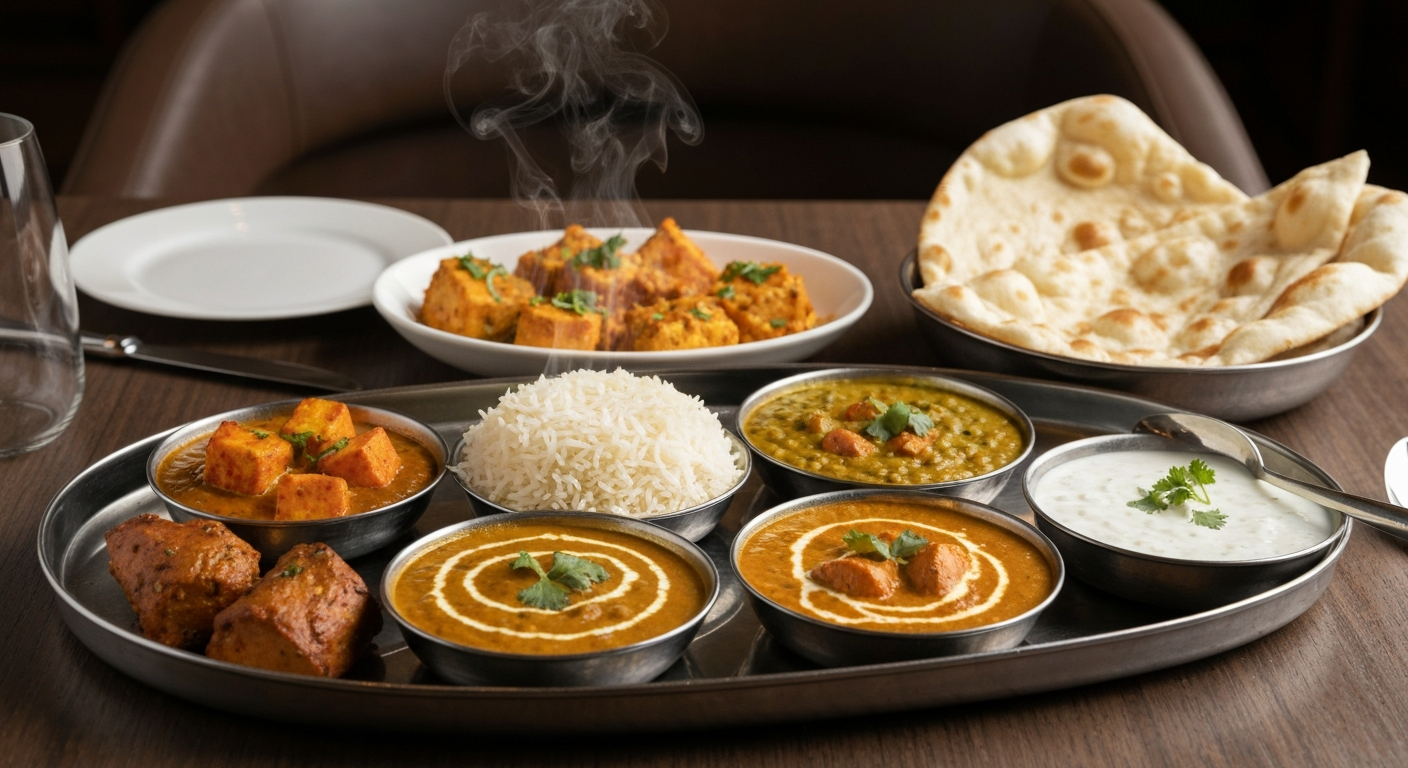
The modern hotel kitchen faces a unique challenge: delivering consistently high-quality cuisine across a diverse range of demands, from intimate daily dining experiences to large-scale banquets and events. When it comes to Indian cuisine, this complexity is amplified by its rich regional variations, intricate spice blends, and labor-intensive preparation methods. Successfully managing a hotel Indian menu event daily dining strategy requires an intelligent approach to sourcing, preparation, and operational workflow.
This article outlines practical strategies for hotel kitchens to optimize their Indian food production, ensuring authenticity, consistency, and efficiency, regardless of the scale or specific dining context.
The Dual Challenge: Crafting Indian Cuisine for Events and Daily Dining
Indian cuisine, with its vibrant flavors and aromatic spices, is a beloved choice for both everyday meals and celebratory events. However, the operational demands for each are vastly different.
High-Volume Events: Weddings, Conferences, and Banquets
For large events, the priorities are clear: consistency across hundreds or thousands of plates, speed of service, impressive presentation, and the ability to cater to diverse dietary restrictions (vegetarian, vegan, gluten-free, nut-free, etc.). Traditional Indian cooking, often involving lengthy marination, slow simmering of gravies, and fresh spice grinding, can become a bottleneck under event pressure. The sheer volume required can strain kitchen staff, leading to potential inconsistencies in taste and quality, increased labor costs, and higher risk of errors.
Daily Dining: A La Carte and Buffet Services
Daily dining, whether it's an a la carte restaurant or a breakfast/lunch buffet, demands freshness, customization, and rapid turnaround. Guests expect their dishes to be prepared to order, with specific spice levels or ingredient modifications. Maintaining a full roster of highly skilled Indian specialty chefs for daily operations can be cost-prohibitive for many hotels. Furthermore, managing inventory for a wide array of fresh ingredients that might not be used consistently can lead to food waste.
Common Operational Hurdles
Across both scenarios, hotel kitchens typically grapple with:
- Labor Costs and Skill Shortages: The specialized skills required for authentic Indian cooking are in high demand and can be expensive.
- Ingredient Sourcing and Consistency: Sourcing fresh, high-quality spices and ingredients consistently can be challenging, impacting flavor profiles.
- Time and Space Constraints: Traditional Indian cooking often requires significant prep time and dedicated kitchen space.
- Food Waste: Over-preparation or unused specialty ingredients can lead to substantial waste.
- Consistency: Ensuring the same dish tastes identical every time, regardless of the chef or batch, is a constant battle.
Strategic Solutions for Optimized Indian Cuisine Production
The key to overcoming these challenges lies in smart culinary engineering and strategic sourcing. By leveraging high-quality, chef-grade prepared bases, hotel kitchens can achieve remarkable efficiencies without compromising authenticity or flavor.
1. Standardization and High-Quality Base Preparations
The foundation of a scalable Indian menu is the use of standardized, pre-made gravies, pastes, and sauces. These are not shortcuts to flavor but rather a sophisticated approach to culinary consistency and efficiency. Imagine a rich Makhani gravy that serves as the base for both Butter Chicken and Paneer Makhani, or a versatile Kolhapuri paste that can quickly become a mutton curry or a vegetable stir-fry.
Benefits:
- Unwavering Consistency: Every dish tastes the same, every time, regardless of the chef on duty.
- Significant Labor Reduction: Skilled chefs can focus on finishing and presentation rather than hours of base preparation.
- Speed of Service: Dishes can be assembled and cooked much faster, crucial for both busy dining rooms and large events.
- Cost Control: Reduced labor, less ingredient waste, and predictable portioning lead to better cost management.
- Reduced Training Time: New staff can quickly learn to finish dishes using pre-prepared bases.
MITRA's range of chef-grade Indian gravies, pastes, sauces, rice, and spices are manufactured to stringent quality standards, allowing hotel kitchens to build their menus on a reliable foundation. Our products are manufactured to FSSAI, US FDA, ISO, Halal, HACCP, and GMP certifications, ensuring both quality and safety.
2. Modular Menu Design for Versatility
With high-quality bases, hotels can implement a modular menu design. This means creating a core set of gravies and pastes that can be combined with various proteins (chicken, lamb, fish, paneer, vegetables) to create a wide array of dishes. For example:
- Makhani Base: Butter Chicken, Paneer Makhani, Dal Makhani.
- Korma Base: Chicken Korma, Vegetable Korma, Lamb Korma.
- Madras/Curry Base: Chicken Madras, Prawn Curry, Aloo Gobi.
This approach allows for a diverse menu with a manageable number of core ingredients. For events, these bases can be scaled up easily. For daily dining, chefs can quickly customize dishes by adding fresh vegetables, garnishes, or adjusting spice levels at the point of order.
3. Efficient Inventory Management and Supply Chain
Leveraging prepared gravies and pastes simplifies inventory. These products often have a longer shelf life compared to fresh ingredients, significantly reducing spoilage and waste. A streamlined procurement process with a reliable supplier ensures consistent availability.
For businesses like ODOD LLC, we understand the critical nature of supply. Our minimum order quantity (MOQ) is 50 kg, designed to support professional kitchens. If a product is in stock in our US (Houston) or local-country warehouse, it ships in 2 days. If it is not in stock, the lead time is 35-60 days, and the customer is notified immediately of any delay. We currently serve businesses in the USA, Canada, UK, UAE, Australia, Germany, Italy, India, France, Ireland, Switzerland, and Netherlands, with more countries being added.
4. Talent Optimization and Training
Rather than requiring a full team of master Indian chefs for every shift, hotels can optimize their talent pool. Existing culinary staff can be trained to expertly finish dishes using prepared bases, focusing on presentation, garnishing, and precise cooking of proteins and vegetables. This elevates the role of the chef to one of curator and presenter, ensuring every dish is visually appealing and meets the hotel's high standards.
5. Maintaining Authenticity and Quality at Scale
The concern that prepared bases compromise authenticity is often unfounded when sourcing from reputable, chef-grade suppliers. High-quality gravies and pastes are crafted by experienced chefs using traditional recipes and premium ingredients, then processed to ensure stability without losing flavor. This allows the hotel's culinary team to focus on the nuances of a dish – the final tempering of spices, the perfect texture of a protein, or the freshness of a garnish – which are often what truly define a memorable Indian dining experience.
Implementing a Scalable Indian Menu Strategy
Bringing these strategies to life requires a thoughtful approach to kitchen operations:
Kitchen Layout and Workflow Adjustments
Review your kitchen layout to ensure efficient flow from storage of prepared bases to cooking stations for finishing. Dedicated areas for quick assembly and plating, especially for daily dining, can drastically improve service times. For events, consider batch cooking stations where large quantities of proteins can be quickly combined with gravies.
Equipment Considerations
Invest in appropriate equipment for rapid heating, simmering, and holding of gravies and finished dishes. High-capacity induction cooktops, combi ovens, and quality holding cabinets can be invaluable for both speed and maintaining food quality during service.
Supplier Partnership
Selecting the right supplier for your Indian gravies, pastes, and spices is paramount. Look for a partner that offers:
- A comprehensive range of authentic, chef-grade products.
- Consistent quality and flavor profiles.
- Reliable supply chain and transparent lead times.
- Adherence to international food safety and quality certifications (e.g., FSSAI, US FDA, ISO, Halal, HACCP, GMP).
- Support for menu development and product application.
Conclusion
Optimizing a hotel Indian menu event daily dining strategy is not about sacrificing quality for convenience, but about leveraging smart culinary solutions to achieve both. By integrating high-quality, chef-grade gravies, pastes, and spices, hotels can streamline operations, reduce labor costs, minimize waste, and most importantly, deliver authentic, consistent, and memorable Indian dining experiences to every guest, whether for a grand banquet or an intimate dinner.
Elevate your hotel's Indian culinary offerings. Discover how MITRA products can transform your kitchen's efficiency and consistency. Visit ododgroup.com to request a quote, sample, or wholesale inquiry for your specific needs.