
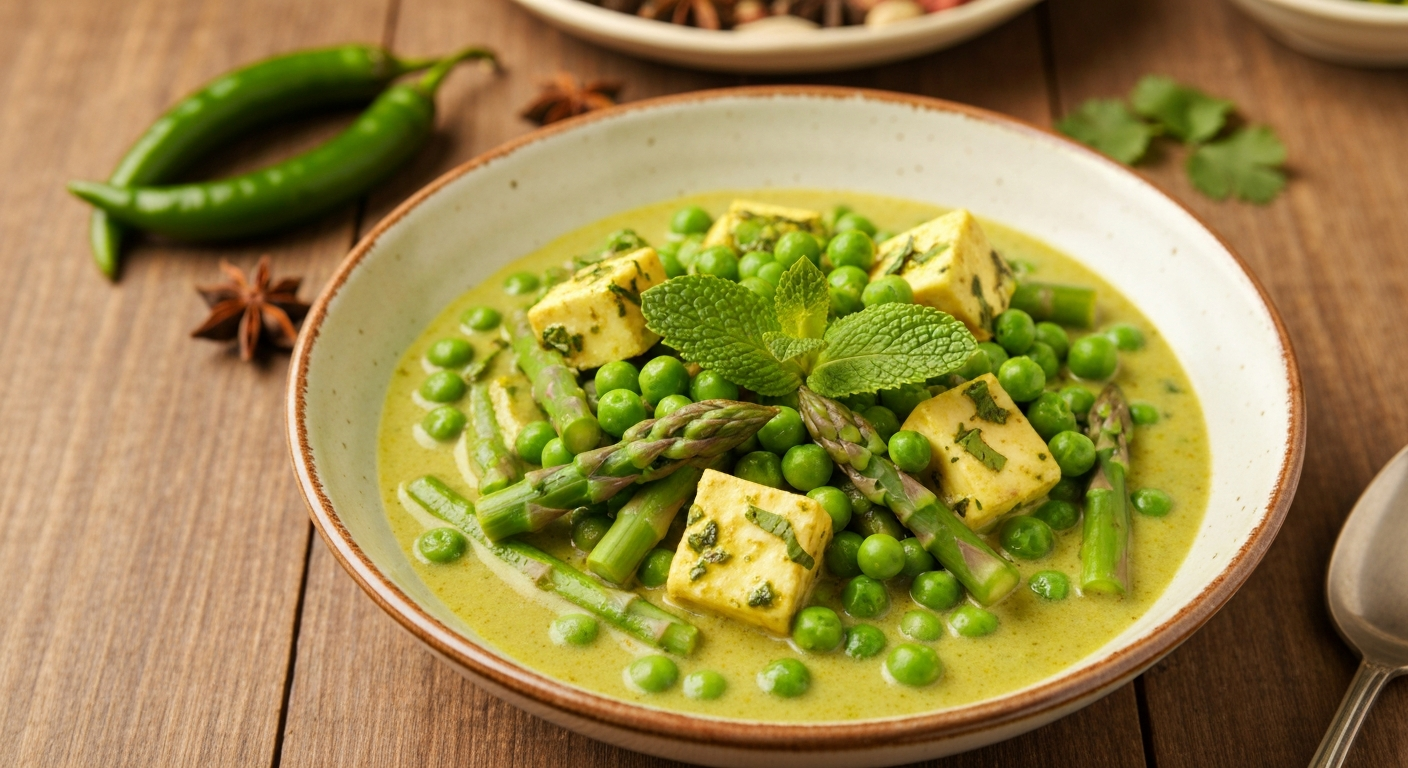
Elevating Your Culinary Offerings: The Power of Seasonal Indian LTOs
In the competitive landscape of the restaurant industry, innovation and novelty are crucial for attracting and retaining customers. For establishments specializing in Indian cuisine, or those looking to integrate authentic Indian flavors, a restaurant seasonal Indian menu LTO (Limited-Time Offer) presents a powerful strategy. LTOs are more than just temporary menu additions; they are strategic tools that can drive traffic, generate buzz, test new concepts, and ultimately boost profitability. By aligning these offers with seasonal ingredients and cultural moments, restaurants can create memorable dining experiences that resonate deeply with guests.
This guide explores how professional kitchens can effectively conceptualize, develop, and implement high-impact Indian LTOs. We'll delve into leveraging seasonal produce, tapping into regional Indian culinary traditions, and utilizing consistent, chef-grade ingredients to ensure authenticity and operational efficiency.
Why Seasonal Indian LTOs Are Essential for Modern Restaurants
The strategic integration of seasonal Indian LTOs offers a multitude of benefits for restaurant operators and chefs:
1. Customer Engagement and Novelty
Guests are constantly seeking new and exciting culinary experiences. A well-executed LTO provides a compelling reason for existing customers to return and for new patrons to visit. The limited-time nature creates a sense of urgency and exclusivity, encouraging diners to try a dish before it's gone. For Indian cuisine, this can mean showcasing regional specialties often overlooked on a standard menu or presenting classic dishes with a seasonal twist.
2. Leveraging Fresh, Seasonal Produce
Indian cuisine is inherently tied to the land and its seasons. Utilizing seasonal fruits, vegetables, and herbs not only ensures the freshest flavors but also often reduces ingredient costs. A seasonal approach allows chefs to highlight the natural bounty of each period, offering dishes that taste vibrant and authentic. Think of the rich, earthy flavors of winter greens in a Sarson ka Saag or the refreshing tang of raw mango in a summer curry.
3. Driving Repeat Business and Word-of-Mouth
Successful LTOs can become highly anticipated events, encouraging repeat visits throughout the year. When an LTO generates excitement, customers are likely to share their experiences on social media and through word-of-mouth, providing invaluable organic marketing. A unique restaurant seasonal Indian menu LTO can transform your establishment into a destination for culinary discovery.
4. Marketing Opportunities and Brand Differentiation
LTOs provide excellent material for marketing campaigns. Announcing new seasonal Indian dishes allows for engaging content creation across social media, email newsletters, and in-house promotions. This helps differentiate your restaurant from competitors, showcasing your culinary creativity and commitment to fresh, authentic ingredients.
5. Testing New Dishes and Concepts
Before committing a new dish to your permanent menu, an LTO serves as a low-risk testing ground. It allows you to gauge customer interest, refine recipes, and assess operational feasibility without making a long-term commitment. This iterative process is invaluable for menu evolution and staying ahead of culinary trends.
Identifying Seasonal Opportunities in Indian Cuisine
India's diverse geography and climate mean its culinary traditions are deeply intertwined with the seasons. Adapting these principles to your local seasonality is key.
Spring: Freshness and Renewal
Spring brings a bounty of tender greens, peas, new potatoes, and light herbs. LTOs can focus on:
- Light, vibrant curries: Think green pea and paneer dishes, or vegetable koftas in fresh herb-based gravies.
- Fresh salads and raitas: Incorporating spring vegetables like asparagus or snap peas into Indian-inspired salads or cooling raitas.
- Delicate seafood preparations: Lighter fish curries or tandoori preparations with spring spices.
Summer: Cooling, Tangy, and Refreshing
Summers call for dishes that are cooling, hydrating, and often feature tangy or spicy notes to stimulate appetite. Consider:
- Mango-infused dishes: From raw mango curries (Aamti) to desserts like mango kulfi or lassi.
- Street food adaptations: Light, zesty chaats with seasonal fruits like watermelon or cucumber.
- Coastal specialties: Refreshing fish or prawn curries with coconut and kokum.
- Yogurt-based preparations: More extensive use of dahi vada, raitas, and buttermilk (chaas).
Autumn: Hearty, Warming, and Festive
As temperatures drop, focus shifts to more substantial, comforting dishes. Autumn is also a season of major Indian festivals.
- Root vegetable curries: Carrots, potatoes, and sweet potatoes can form the base of rich subzis or kormas.
- Pumpkin and gourd dishes: Often used in regional Indian cooking, these can be incorporated into gravies or stir-fries.
- Festival-themed menus: Tie into Diwali with special sweets, savories, or a festive thali. Navaratri can inspire vegetarian LTOs.
- Game or richer meats: Lamb or goat preparations that are slow-cooked and deeply spiced.
Winter: Comfort, Richness, and Nourishment
Winter cuisine is all about warmth, robust flavors, and hearty meals that provide sustenance.
- Rich, slow-cooked curries: Think Lamb Nihari, Rogan Josh, or rich chicken preparations.
- Seasonal greens: Sarson ka Saag (mustard greens) served with Makki ki Roti (cornbread) is a classic winter offering.
- Root vegetable stews: Hearty mixed vegetable curries with warming spices.
- Desserts: Gajar ka Halwa (carrot pudding) and other warm, rich sweets.
Beyond seasonal produce, consider cultural events like Holi (colorful, celebratory dishes), Eid (rich, festive meals), or even major sporting events that can inspire themed restaurant seasonal Indian menu LTOs.
Crafting High-Impact Indian LTOs: The MITRA Advantage
Developing a compelling LTO requires more than just a great recipe; it demands consistency, efficiency, and authentic flavor. This is where high-quality, pre-prepared ingredients become indispensable.
1. Ease of Implementation and Consistency
Creating a new LTO can strain kitchen operations if it requires extensive new prep. MITRA's range of chef-grade Indian gravies, pastes, sauces, rice, and spices significantly streamlines this process. Our products are manufactured to FSSAI, US FDA, ISO, Halal, HACCP, GMP standards, ensuring consistent quality and flavor profile every time. This means:
- Reduced Prep Time: Chefs can focus on incorporating fresh seasonal ingredients rather than spending hours grinding spices or slow-cooking base gravies.
- Consistent Flavor: Every batch of your LTO will taste identical, guaranteeing a reliable customer experience across all servings, even with different kitchen staff.
- Operational Efficiency: Less training is required for new dishes, as the core flavor components are already perfected.
For example, a chef can use our Butter Chicken Gravy or Korma Gravy as a base and then introduce seasonal vegetables like roasted pumpkin in autumn or fresh green peas in spring, creating a unique LTO with minimal added complexity.
2. Authenticity Without Compromise
Authentic Indian flavors are paramount. Our products are crafted to reflect the rich culinary traditions of India, providing a genuine taste foundation for your LTOs. This allows chefs to confidently experiment with seasonal variations, knowing the underlying flavor profile remains true to its heritage. You can explore regional specialties like a Goan Fish Curry or a Bengali Prawn Malai Curry by starting with an authentic base and adding your seasonal twist.
3. Cost-Effectiveness and Profitability
Managing food costs is critical for LTO profitability. By utilizing MITRA's wholesale ingredients, restaurants can benefit from:
- Bulk Pricing: Our 50 kg minimum order quantity (MOQ) ensures competitive pricing for professional kitchens.
- Reduced Waste: Pre-prepared components mean less spoilage of raw ingredients that might otherwise be underutilized.
- Predictable Costs: Consistent product quality and standardized packaging help in accurate costing for each LTO dish.
This efficiency allows for attractive pricing for your LTOs, optimizing your profit margins.
4. Scalability for Multi-Location Operations
For restaurant groups or cloud kitchens, scaling an LTO across multiple locations while maintaining consistency can be a challenge. Our standardized products ensure that a seasonal Indian LTO developed in one kitchen can be replicated perfectly in another, guaranteeing brand consistency and customer satisfaction across your entire operation.
The LTO Development Workflow: From Concept to Plate
Successfully launching a restaurant seasonal Indian menu LTO involves a structured approach:
1. Market Research and Trend Analysis
- Customer Preferences: What are your patrons asking for? Are there specific regional Indian dishes or flavor profiles gaining popularity?
- Seasonal Availability: What produce is abundant, high-quality, and cost-effective in your region during the target LTO period?
- Competitor Analysis: What are other restaurants offering? How can your LTO stand out?
- Social Media & Food Blogs: Monitor food trends and popular Indian dishes online.
2. Concept Generation and Ideation
Based on your research, brainstorm unique Indian LTO concepts. Think about:
- Classic dishes with a seasonal twist: E.g., a Kadai Paneer with winter root vegetables.
- Regional specialties: Introduce a less common dish from a specific Indian state, adapted for seasonal ingredients.
- Fusion ideas: Carefully consider how Indian flavors can be combined with seasonal local ingredients or global culinary trends.
- Festival tie-ins: Design dishes around upcoming cultural or religious festivals.
3. Ingredient Sourcing and Quality Assurance
- Seasonal Produce: Establish relationships with local suppliers for fresh, high-quality seasonal fruits, vegetables, and herbs.
- MITRA Ingredients: Leverage our range of gravies, pastes, sauces, rice, and spices for consistent, authentic base flavors. Our products are available for shipping to USA, Canada, UK, UAE, Australia, Germany, Italy, India, France, Ireland, Switzerland, Netherlands, with more countries being added.
- Quality Checks: Ensure all ingredients meet your restaurant's standards.
4. Recipe Development and Testing
- Prototyping: Develop initial recipes, focusing on flavor balance, ingredient harmony, and visual appeal.
- Kitchen Testing: Conduct multiple rounds of testing in your kitchen, adjusting quantities and techniques. Pay attention to prep time, cook time, and plate consistency.
- Staff Feedback: Involve your kitchen staff in the testing process, as their practical insights are invaluable.
- Portioning and Presentation: Standardize portion sizes and plating instructions to ensure consistency.
5. Costing and Pricing Strategy
- Ingredient Cost Calculation: Accurately calculate the cost of all ingredients per portion, including MITRA products.
- Labor Costs: Factor in the time required for prep and cooking.
- Target Profit Margin: Determine a competitive selling price that ensures a healthy profit margin for your LTO.
- Menu Placement: Decide how the LTO will be presented on your menu – as a special insert, a separate card, or integrated into the main menu.
6. Marketing and Promotion
- Compelling Descriptions: Craft enticing menu descriptions that highlight the seasonal ingredients and unique flavors.
- Visuals: Professional food photography of the LTO is crucial for social media and in-house promotions.
- Social Media Campaign: Announce the LTO, run contests, and engage with followers.
- Email Marketing: Inform your subscriber base about the new seasonal offerings.
- In-House Promotion: Use table tents, server recommendations, and chalkboards to highlight the LTO.
- Press Release (if applicable): For particularly innovative or high-profile LTOs.
Operational Considerations for LTO Success
Beyond development and marketing, efficient operations are key to a smooth LTO launch.
- Staff Training: Thoroughly train front-of-house staff on the LTO's ingredients, preparation, and unique selling points. They are your primary ambassadors.
- Inventory Management: Monitor ingredient levels closely. If a MITRA product is in stock in our US (Houston) or local-country warehouse, it ships in 2 days. If it is not in stock, the lead time is 35-60 days, and the customer is notified immediately of any delay. Plan your orders accordingly.
- Feedback Collection: Implement a system for collecting customer feedback on the LTO. This can inform future menu decisions.
- Post-LTO Analysis: After the LTO concludes, review sales data, customer feedback, and operational efficiency. What worked well? What could be improved? Was the LTO profitable?
Conclusion
Crafting a restaurant seasonal Indian menu LTO is a dynamic strategy that can invigorate your menu, excite your customers, and drive significant business growth. By thoughtfully integrating seasonal ingredients with authentic Indian flavors, and leveraging the consistency and efficiency provided by chef-grade wholesale ingredients, restaurants can create truly impactful limited-time offers.
Partnering with a reliable supplier like MITRA ensures that your culinary team has access to the consistent, high-quality bases needed to innovate with confidence. Explore the potential of seasonal Indian cuisine and transform your menu into a journey of discovery for your patrons.
To learn more about our range of gravies, pastes, sauces, rice, and spices, or to inquire about a wholesale order, please visit ododgroup.com. We are ready to support your next culinary innovation. Your minimum order quantity is a 50 kg MOQ.