
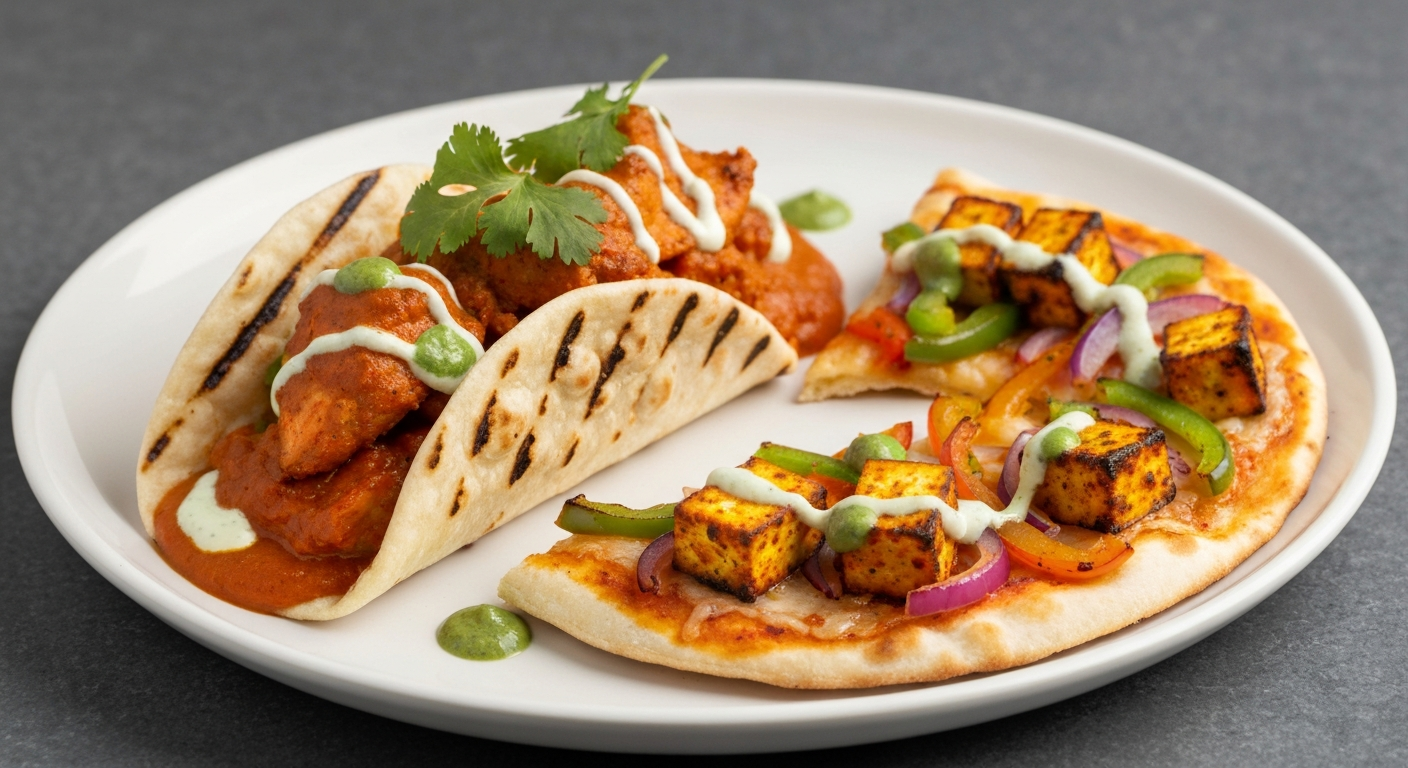
The culinary landscape is more competitive than ever, with diners constantly seeking novel and memorable experiences. For restaurateurs, this presents both a challenge and an opportunity: how to capture attention and build loyalty in a crowded market. One of the most dynamic and successful avenues for innovation lies in restaurant Indian fusion menu differentiation. By thoughtfully blending the rich, aromatic flavors of Indian cuisine with global culinary traditions, establishments can craft truly unique offerings that stand apart.
This article delves into practical strategies for developing an Indian fusion menu that not only excites customers but also streamlines kitchen operations and maintains consistency—critical factors for any successful food business.
The Power of Fusion: Meeting Evolving Diner Expectations
Modern diners are adventurous. They are exposed to global flavors through travel, media, and diverse culinary communities. The demand for authentic ethnic cuisine continues to grow, but so does the appetite for creative interpretations that offer a fresh perspective. Indian cuisine, with its vast regional variations, complex spice profiles, and diverse cooking techniques, is exceptionally well-suited for fusion. Its adaptability allows chefs to innovate without losing the core integrity of its flavors.
Fusion cuisine isn't merely about mixing ingredients; it's about a harmonious blend of culinary philosophies, techniques, and cultural influences. When executed skillfully, Indian fusion can:
- Attract a Broader Customer Base: Appeal to those who love Indian food and those new to it, as well as diners seeking globally inspired dishes.
- Enhance Brand Identity: Position your restaurant as innovative, sophisticated, and culturally aware.
- Boost Menu Versatility: Offer a wider range of dishes, from casual to fine dining, catering to different occasions and preferences.
- Drive Repeat Business: Unique, well-executed dishes create memorable dining experiences that encourage customers to return.
The Foundation: Authentic Indian Flavors
Successful Indian fusion begins with a deep respect for and understanding of authentic Indian flavors. You cannot effectively fuse something you don't fully comprehend. This means sourcing high-quality, chef-grade Indian ingredients and mastering the nuances of traditional gravies, spice blends, and cooking methods.
India's culinary heritage is incredibly diverse, with distinct regional cuisines offering a treasure trove of inspiration:
- North Indian: Rich, creamy gravies (like Butter Chicken, Korma), tandoor-cooked meats, robust spice blends, and breads like naan and roti. Flavors often feature dairy, nuts, and dried fruits.
- South Indian: Lighter, tangier dishes often based on coconut, tamarind, and curry leaves. Rice is a staple, alongside dosas and idlis. Spices like mustard seeds, fenugreek, and black pepper are prominent.
- East Indian: Known for mustard oil, panch phoron (five-spice blend), and an emphasis on fish and lentils. Sweeter notes are also common in Bengali cuisine.
- West Indian: Coastal influences bring seafood to the forefront, with Goan cuisine featuring vinegar and Portuguese influences. Gujarati cuisine is predominantly vegetarian, often balancing sweet, sour, and spicy notes.
Understanding these regional profiles allows for more informed and creative fusion. For instance, a Goan-inspired vindaloo's tanginess might pair beautifully with Latin American flavors, while the richness of a North Indian Korma could find new life in a European context.
Strategies for Restaurant Indian Fusion Menu Differentiation
Achieving true restaurant Indian fusion menu differentiation requires a systematic approach. Here are several strategies to inspire your culinary team:
1. Thematic Fusion: Blending Cuisines with Purpose
This approach involves consciously combining Indian cuisine with a specific global culinary tradition, creating a cohesive theme.
- Indian-Mexican: Imagine a Butter Chicken Taco with a cilantro-lime crema, or a paneer tikka quesadilla. Perhaps a lentil (dal) chili or a biryani burrito. The spice profiles and use of fresh herbs can complement each other exceptionally well.
- Indian-Italian: Think about a Chicken Tikka Masala pizza with a naan crust, or a creamy spinach and paneer lasagna. Indian spices can elevate classic pasta sauces, while Italian techniques can introduce new textures to Indian ingredients. Consider a saffron-infused risotto with a subtly spiced lamb kofta.
- Indian-East Asian (e.g., Thai, Chinese, Japanese): The aromatic qualities of Indian spices can meld with the umami and fresh notes of East Asian cooking. Tandoori chicken bao buns, a green curry infused with Indian garam masala, or even a sushi roll featuring spiced salmon or avocado raita. The potential here is vast, from curried noodle dishes to samosa spring rolls.
- Indian-American Comfort Food: This can be a highly accessible entry point for new customers. Consider a spiced lamb burger with mango chutney and raita, Indian-spiced loaded fries, or even a Naan grilled cheese sandwich with a tomato-shorba dipping sauce.
- Indian-Mediterranean/Middle Eastern: The shared use of spices like cumin, coriander, and mint makes this a natural pairing. Hummus topped with spiced keema, a falafel infused with Indian spices, or a lamb shawarma with a yogurt-mint chutney. A lentil salad with feta and an Indian vinaigrette could also be a compelling offering.
2. Technique Fusion: Applying Methods Across Cuisines
This strategy involves using a cooking technique from one cuisine to prepare ingredients or dishes from another.
- Tandoor-Fired Global Dishes: Beyond naan and tikka, imagine tandoor-roasted vegetables with a Mediterranean marinade, tandoor-smoked salmon, or even tandoor-baked flatbreads topped with non-Indian ingredients like pesto or artisanal cheeses.
- Wok-Tossed Indian Ingredients: Quickly stir-frying paneer, chickpeas, or vegetables with Indian spice blends and perhaps a touch of soy or tamarind sauce. This brings a different texture and speed to Indian cooking.
- Sous Vide Indian Proteins: Achieving perfectly tender lamb or chicken infused with Indian marinades using sous vide, then finishing with a quick sear or grill for texture. This ensures consistency and moisture retention.
- Indian Flavor Infusion into Western Baking: Cardamom-spiced cheesecakes, saffron-infused brioche, or pistachio and rosewater croissants. These subtle infusions can create unique dessert experiences.
3. Ingredient Fusion: Thoughtful Swaps and Additions
Sometimes, differentiation comes from smart ingredient substitutions or additions.
- Exotic Grains: Replacing traditional basmati rice with quinoa, farro, or black rice in biryanis or pilafs for added texture, nutrition, and visual appeal.
- Global Cheeses: Incorporating goat cheese into a sag paneer, or using burrata with a spiced tomato gravy. Feta in a raita can add a salty tang.
- Unique Vegetables/Fruits: Using ingredients like kale, Brussels sprouts, or exotic mushrooms in Indian curries, or incorporating fruits like lychee or passion fruit into Indian desserts and chutneys.
- Alternative Proteins: Exploring plant-based proteins beyond paneer and lentils, such as tofu, tempeh, or seitan, prepared with Indian marinades and sauces.
4. Presentation and Experience: The Full Package
Differentiation isn't just about taste; it's also about how the food is presented and the overall dining experience.
- Modern Plating: Move beyond traditional thali-style serving for fusion dishes. Utilize contemporary plating techniques to highlight textures, colors, and components. Think deconstructed dishes or artful arrangements.
- Storytelling: Educate your diners about the fusion concept. Explain the inspiration behind a dish, the blend of cultures, or the unique ingredients. This adds depth to the dining experience.
- Ambiance: Ensure your restaurant's decor, music, and service style complement your innovative menu. A modern, inviting atmosphere can enhance the perception of a forward-thinking fusion concept.
Operational Efficiency: The Role of Chef-Grade Ingredients
Creating a differentiated Indian fusion menu is exciting, but scaling it successfully requires consistency, quality, and operational efficiency. This is where high-quality, pre-prepared ingredients become indispensable for professional kitchens.
Sourcing chef-grade Indian gravies, pastes, sauces, and spices from a reliable supplier like MITRA offers significant advantages:
- Consistent Flavor Profile: Our products are manufactured to rigorous standards (FSSAI, US FDA, ISO, Halal, HACCP, GMP), ensuring that every batch delivers the same authentic taste and quality. This consistency is crucial for maintaining your brand's reputation, especially with innovative fusion dishes.
- Reduced Labor Costs: Preparing complex gravies and spice blends from scratch is time-consuming and labor-intensive. Utilizing ready-to-use bases frees up your chefs to focus on creative fusion applications, plating, and other high-value tasks.
- Waste Reduction: Pre-portioned or bulk ingredients minimize spoilage and waste, contributing to better inventory management and cost control.
- Scalability: Whether you're a single restaurant, a cloud kitchen expanding rapidly, or a large catering operation, our products enable you to scale your menu offerings efficiently without compromising on quality.
- Authenticity Assurance: Starting with genuinely authentic Indian bases ensures that your fusion dishes retain a true Indian soul, even when blended with other cuisines.
We understand the demands of a busy kitchen. Our minimum order quantity (MOQ) is 50 kg, designed to meet the needs of professional food service operations. For in-stock products in our US (Houston) or local-country warehouses, shipping is typically within 2 days. If an item is not in stock, we will notify you immediately, and the lead time is 35-60 days. We proudly serve clients across the USA, Canada, UK, UAE, Australia, Germany, Italy, India, France, Ireland, Switzerland, and Netherlands, with our network continuously expanding.
Developing and Marketing Your Fusion Menu
Once you have a vision for your restaurant Indian fusion menu differentiation, the next steps involve careful execution and strategic marketing.
Recipe Development and Testing
- Start Small: Introduce a few fusion specials before a full menu overhaul. Gather customer feedback.
- Balance Flavors: Ensure neither cuisine overpowers the other. The goal is harmony, not competition.
- Component Approach: Often, the best fusion dishes are built by taking components from each cuisine (e.g., an Indian-spiced protein, a Mexican-inspired sauce, and an American side).
- Iterate: Refine recipes based on taste tests and operational feasibility.
Staff Training
- Kitchen Staff: Train them on new techniques, ingredients, and the philosophy behind each fusion dish.
- Front-of-House Staff: Empower them to tell the story of your fusion dishes, explain unique ingredients, and make informed recommendations. Their enthusiasm is contagious.
Marketing Your Uniqueness
- Highlight the Fusion: Clearly communicate the innovative blend on your menu, website, and social media.
- Visual Storytelling: Use high-quality photography and video to showcase the appeal of your dishes.
- Engage with Food Bloggers/Influencers: Invite them to experience and review your unique offerings.
- Special Events: Host tasting menus or themed nights to introduce new fusion concepts.
Conclusion: Innovate with Confidence
In a competitive restaurant market, restaurant Indian fusion menu differentiation is not just a trend; it's a strategic imperative for growth and customer engagement. By grounding your innovations in authentic Indian flavors and leveraging high-quality, consistent ingredients, you can craft a menu that is both distinctive and operationally sound. The journey of culinary fusion is one of discovery, offering endless possibilities to delight your diners and solidify your restaurant's place as a culinary destination.
Ready to explore how premium, chef-grade Indian gravies, pastes, and spices can be the foundation for your next culinary innovation? Inquire today via ododgroup.com to request a quote or sample and discover how MITRA can support your vision for a truly differentiated Indian fusion menu.