
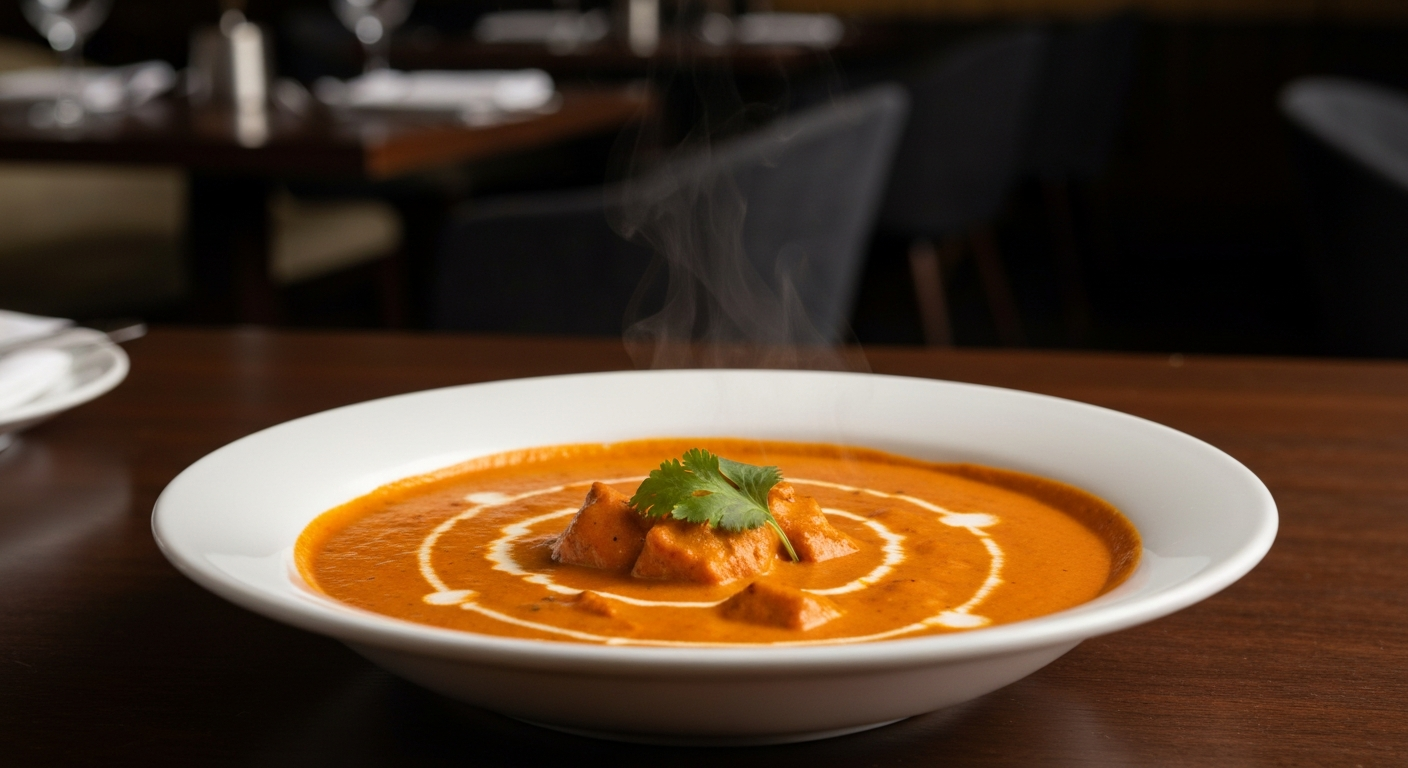
In the dynamic environment of hotel foodservice, ensuring guest safety and satisfaction is paramount. Among the most critical aspects of this commitment is robust allergen management. For establishments offering diverse culinary experiences, particularly complex cuisines like Indian food, the challenge of precisely tracking and communicating allergen information can be substantial. This article explores how standardized, pre-made Indian products from MITRA, an ODOD LLC brand, offer a strategic solution to enhance foodservice Indian allergen control, safeguarding guests and streamlining kitchen operations.
The demand for authentic and diverse dining options continues to grow, and Indian cuisine holds a prominent place in hotel restaurants, buffets, and catering menus. However, traditional Indian cooking, with its intricate spice blends, diverse ingredients, and often extensive on-site preparation, presents unique complexities for allergen control. Dairy, nuts (cashews, almonds, peanuts), gluten, soy, and sesame are common in many beloved Indian dishes, making diligent management essential. Missteps can lead to severe health consequences for guests, damage a hotel's reputation, and incur significant legal liabilities.
The Imperative of Allergen Management in Modern Hotel Foodservice
For hotels, allergen management is not merely a best practice; it is a fundamental pillar of guest care and operational integrity. The legal landscape surrounding food allergens is becoming increasingly stringent, placing a clear duty of care on foodservice providers. Beyond legal compliance, a hotel's brand reputation is intrinsically linked to its ability to provide safe and enjoyable dining experiences for all guests, including those with dietary restrictions or allergies.
Negative incidents, amplified by social media, can quickly erode guest trust and financial stability. Therefore, proactive and transparent allergen communication, backed by rigorous kitchen protocols, is non-negotiable.
Indian cuisine, while incredibly rich and flavorful, introduces several factors that can complicate allergen control in a traditional kitchen setting:
- Complex Ingredient Lists: Many dishes feature multiple ingredients, often blended, making it hard to isolate specific allergens without precise tracking.
- Cross-Contamination Risk: Shared equipment, cutting boards, and frying oils in busy kitchens significantly increase the risk of accidental allergen transfer.
- Spice Blends: Pre-mixed spice blends might contain unlisted ingredients or traces of allergens.
- Common Allergens: Ingredients like ghee (clarified butter), yogurt, paneer (cheese), various nuts for thickening, and flour-based breads are staples, directly incorporating major allergens.
Traditional Indian Kitchen Challenges vs. Standardized Production
In a traditional Indian kitchen, where gravies are often built from scratch daily, managing allergens involves inherent difficulties:
- Variable Sourcing: Ingredients may come from different suppliers, leading to inconsistencies in allergen declarations or trace amounts.
- Extensive Manual Preparation: Chopping onions, grinding spices, preparing ginger-garlic paste – each step is a potential point for cross-contact with other ingredients.
- Reliance on Individual Chef Knowledge: While experienced chefs possess deep culinary knowledge, relying solely on memory or individual labeling practices can introduce variability and error in allergen identification across shifts or different kitchen teams.
- Difficulty in Scaling and Consistency: Maintaining precise allergen profiles across high-volume production for multiple banquet halls, room service, and restaurant outlets becomes a logistical nightmare.
The shift towards standardized, pre-prepared ingredients offers a pathway to mitigate these risks, allowing hotels to provide authentic Indian flavors with enhanced safety and consistency.
Elevating Foodservice Indian Allergen Control with Pre-Made Products
MITRA's range of chef-grade Indian gravies, pastes, and sauces is designed to address the complexities of modern foodservice, particularly in the realm of allergen management. By incorporating these products, hotel kitchens can significantly improve their foodservice Indian allergen control protocols.
Consistent Ingredient Sourcing and Transparency
Our products are manufactured under stringent quality control protocols. Every ingredient, from the primary components to the spices, is meticulously sourced and tracked. This allows for clear, consistent ingredient lists on all packaging. For hotel chefs and F&B managers, this means:
- Precise Allergen Information: The exact composition of each product is known and declared, simplifying the process of creating accurate allergen matrices for menus.
- Reduced Guesswork: No more uncertainty about what might be in a spice blend or a base gravy prepared from scratch.
- Reliable Documentation: Consistent labeling supports robust internal documentation for audit and compliance purposes.
Minimized Cross-Contamination Risk
By using pre-made gravies and pastes, the number of raw ingredients handled in the hotel kitchen is drastically reduced. This directly translates to fewer opportunities for cross-contamination:
- Controlled Production Environment: Our products are manufactured in controlled environments designed to minimize allergen cross-contact during their production.
- Less On-Site Raw Prep: With base gravies and sauces pre-prepared, kitchen staff spend less time chopping, grinding, and blending various ingredients, thereby limiting the potential for allergens to spread via shared surfaces or utensils.
- Dedicated Lines: When a hotel kitchen is finishing a dish using a pre-made base, they can more easily dedicate specific utensils or stations for allergen-sensitive preparations.
Predictable Allergen Profiles
One of the greatest advantages of standardized products is consistency. A batch of Butter Chicken gravy purchased today will have the identical allergen profile as a batch purchased next month. This predictability is invaluable for:
- Accurate Menu Labeling: Hotels can confidently print menus with consistent allergen declarations, knowing the base ingredients will not vary.
- Simplified Staff Training: Training staff on the allergen content of a limited number of pre-made bases is far simpler and more effective than training them on every single ingredient and preparation step for scratch-made gravies.
- Guest Confidence: Guests with allergies can trust that the information provided by the hotel is accurate and consistent across all visits and dishes.
Robust Certifications and Quality Assurance
Our commitment to food safety is underscored by the certifications held for our products, including FSSAI, US FDA, ISO, Halal, HACCP, and GMP. These certifications signify that our products are manufactured to rigorous international standards for food safety, hygiene, and quality management. For hotels, this translates to:
- Third-Party Validation: Independent verification of our production processes provides an additional layer of assurance regarding ingredient integrity and allergen control measures.
- Compliance Support: Using products manufactured under these certifications helps hotels meet their own compliance obligations for food safety and quality.
- Enhanced Trust: Partnering with a supplier committed to these global standards reinforces a hotel's own dedication to guest safety and quality.
Streamlined Operations and Training
Beyond safety, pre-made products significantly streamline kitchen operations. Chefs can focus on the art of finishing dishes, adding fresh garnishes, and ensuring perfect plating, rather than spending hours on base preparation. This operational efficiency indirectly contributes to better allergen management by reducing kitchen rush and stress, leading to fewer errors.
Implementing Effective Allergen Management in Your Hotel Kitchen
While pre-made products simplify the process, effective allergen management still requires diligent implementation within the hotel kitchen. Here are key areas to focus on:
Inventory and Storage
- Designated Storage: Create separate, clearly labeled storage areas for products containing common allergens (e.g., nuts, dairy) to prevent cross-contact.
- First-In, First-Out (FIFO): Implement strict FIFO protocols to ensure freshness and reduce waste, while also maintaining consistent allergen data based on product batches.
- Clear Labeling: Ensure all stored items, including opened containers of MITRA products, are clearly labeled with their contents and any relevant allergen information.
Menu Development and Labeling
- Allergen Matrix: Develop a comprehensive allergen matrix for all menu items, detailing the presence of the top allergens. This matrix should be easily accessible to all staff.
- Transparent Menu Labeling: Clearly indicate allergens on menus using symbols, text, or a combination. Empower guests to make informed choices.
- Supplier Collaboration: Work closely with ODOD LLC to obtain the most up-to-date and precise allergen information for all MITRA products you use.
Staff Training and Communication
- Mandatory Training: Conduct regular, mandatory training for all kitchen and front-of-house staff on allergen awareness, cross-contamination prevention, safe food handling, and guest communication protocols.
- Role-Specific Training: Tailor training to specific roles. Kitchen staff need to understand safe preparation, while servers must know how to answer guest questions or escalate requests.
- Clear Procedures: Establish clear, documented procedures for handling special dietary requests, from order taking to kitchen preparation and final delivery.
Guest Communication
- Proactive Disclosure: Make allergen information readily available on menus, websites, and through guest services.
- Empowered Staff: Ensure front-of-house staff are confident in discussing allergens with guests and understand when to consult a chef or manager.
- Confirmation Protocol: Implement a system where allergen-sensitive orders are confirmed multiple times – by the server, kitchen staff, and before serving.
Beyond Allergen Control: Broader Benefits for Hotel Foodservice
The advantages of incorporating pre-made Indian gravies and pastes extend beyond just allergen management:
- Consistency and Quality: Guarantee a uniform taste, texture, and quality of Indian dishes across all hotel outlets, every single time.
- Cost Efficiency: Reduce labor costs associated with extensive scratch preparation, minimize food waste, and benefit from predictable ingredient costs.
- Speed and Scalability: Rapidly scale up production for banquets, large events, or peak dining hours without compromising quality or safety.
- Culinary Innovation: Free up your culinary team to focus on creative plating, innovative garnishes, and developing unique finishing touches, rather than labor-intensive base cooking.
Partnering for Safer, More Efficient Indian Cuisine
In the competitive world of hotel foodservice, operational excellence and unwavering commitment to guest safety are key differentiators. By leveraging high-quality, standardized pre-made Indian products from MITRA, hotels can significantly enhance their foodservice Indian allergen control measures, ensuring authentic flavors are delivered safely and efficiently.
Our products streamline complex processes, reduce risks, and empower your kitchen staff to deliver consistent, delicious, and safe Indian cuisine. Explore how MITRA products can transform your hotel's Indian cuisine operations and elevate your allergen management protocols. Visit ododgroup.com to request a quote, sample, or wholesale inquiry.