
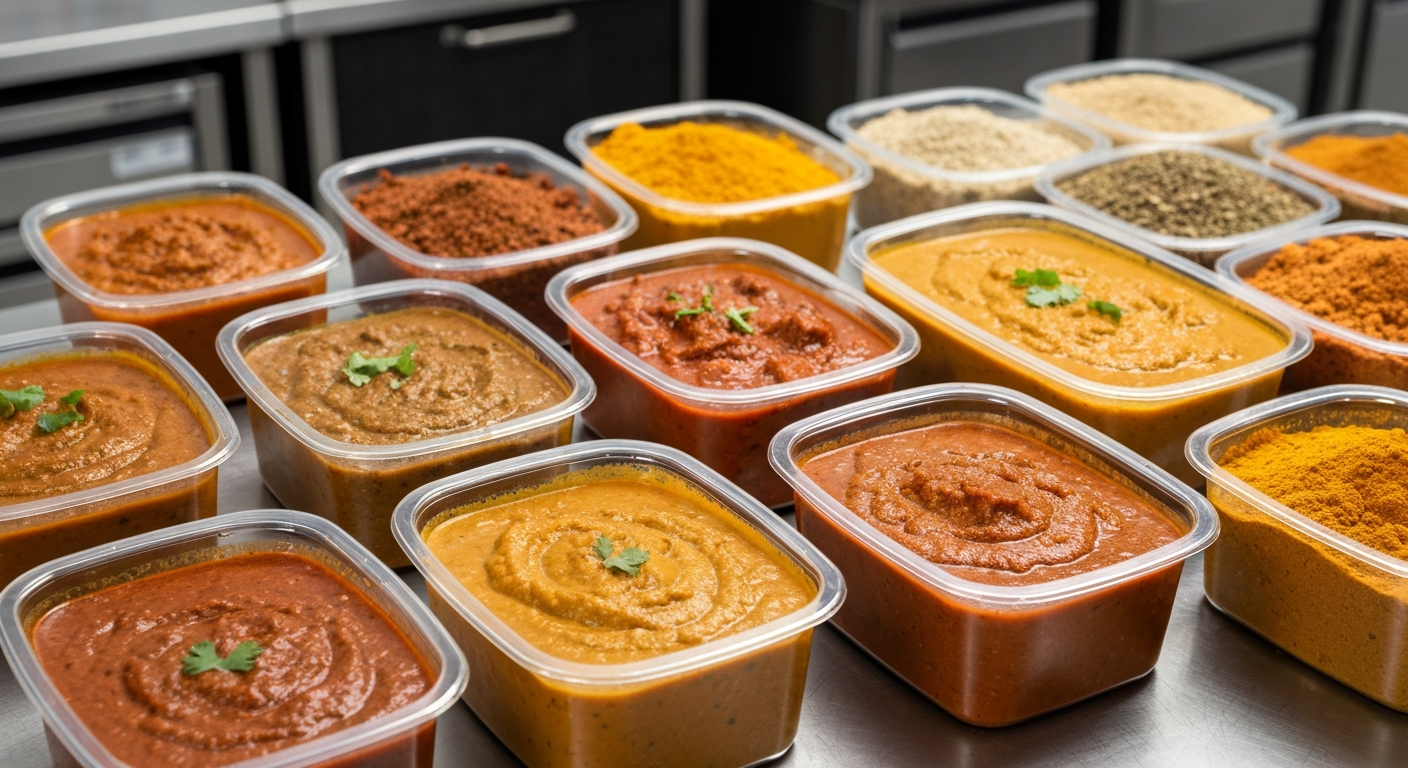
The culinary landscape in professional kitchens is constantly evolving, with a growing demand for authentic, high-quality international ingredients. Among these, Indian cuisine continues its ascent, driving a significant increase in the need for specialized Indian foodservice products. For food distributors, integrating these products into their portfolio presents a lucrative opportunity, but it also introduces a complex web of regulatory compliance challenges. Navigating food distributor compliance Indian products requires a meticulous approach, from sourcing to delivery, to ensure safety, quality, and market legality.
This guide is designed to equip distributors with the knowledge and strategies needed to confidently onboard Indian foodservice products, minimizing risks and maximizing operational efficiency. We will delve into critical aspects of regulatory frameworks, robust vendor qualification, supply chain integrity, and the importance of strategic partnerships.
The Intricacies of Regulatory Compliance for Indian Food Products
Distributing food products across international borders, especially those with diverse ingredient profiles like Indian cuisine, necessitates a deep understanding of various regulatory requirements. These are not merely bureaucratic hurdles but fundamental safeguards for public health and consumer trust. Key regulatory bodies and standards that impact the distribution of Indian foodservice products include:
International and National Food Safety Authorities
- US FDA: For distributors operating in the United States, compliance with US FDA regulations is paramount. This includes adherence to food safety modernization act (FSMA) requirements, facility registration, import alerts, and specific labeling mandates.
- FSSAI: Products originating from or manufactured to standards for the Indian market often carry FSSAI certification, indicating adherence to India’s national food safety and standards authority guidelines. For distributors, understanding this certification provides assurance regarding the product’s initial manufacturing integrity.
Global Quality and Safety Certifications
Beyond national authorities, several international certifications underscore a product's commitment to quality and safety:
- ISO: International Organization for Standardization (ISO) certifications, particularly ISO 22000 (food safety management), demonstrate a commitment to globally recognized management systems that ensure consistent product quality and safety.
- HACCP: Hazard Analysis and Critical Control Points (HACCP) is a systematic preventive approach to food safety from biological, chemical, and physical hazards in production processes. It is a critical certification for any food product, ensuring identified risks are controlled at every stage.
- GMP: Good Manufacturing Practices (GMP) are guidelines that provide a framework for manufacturing safe and quality products. Adherence to GMP signifies that products are consistently produced and controlled according to quality standards.
- Halal: For markets with a significant Muslim population, Halal certification is essential. It ensures that products are prepared according to Islamic dietary laws, covering ingredients, processing, and handling. This is a non-negotiable requirement for many customers and a significant market differentiator.
Distributors must verify that their suppliers adhere to these relevant certifications, as they form the bedrock of a compliant and trustworthy product portfolio. Without these assurances, the risk of recalls, legal issues, and reputational damage escalates significantly.
Vendor Qualification: Your First Line of Defense
The most effective strategy for ensuring food distributor compliance Indian products begins with rigorous vendor qualification. Your supplier's commitment to safety and quality directly impacts your own compliance standing. A thorough vendor vetting process should include:
Certification Verification
Demand proof of all relevant certifications: FSSAI, US FDA, ISO, Halal, HACCP, and GMP. These are not just badges but evidence of established systems and processes. Distributors should regularly audit these certifications for validity and renewal. A supplier that can readily provide comprehensive documentation for these standards demonstrates transparency and reliability.
Quality Control and Traceability Systems
Assess the supplier's internal quality control protocols. How are raw materials sourced and inspected? What measures are in place during manufacturing to prevent contamination and ensure consistency? Equally important is a robust traceability system that can track products from raw ingredient to finished good. This allows for rapid identification and isolation in the event of a quality issue or recall.
Audit Capabilities and Transparency
Partner with suppliers who welcome and facilitate third-party audits. Transparency in their operations, from ingredient sourcing to packaging, is a strong indicator of a reliable partner. A supplier’s willingness to share details about their production processes, quality checks, and adherence to international standards builds crucial trust.
Navigating Import and Customs for Indian Food Products
The physical movement of Indian foodservice products across borders involves specific import and customs procedures that distributors must master. Errors here can lead to costly delays, spoilage, or even product seizure.
Documentation Requirements
Accurate and complete documentation is non-negotiable. This typically includes:
- Commercial invoices
- Packing lists
- Bills of lading or air waybills
- Certificates of origin
- Health certificates or sanitary certificates from the exporting country
- Ingredient lists and nutritional information
- Proof of relevant certifications (FSSAI, US FDA, Halal, etc.)
Any discrepancies or missing documents can trigger customs delays, requiring additional inspections or even refusal of entry.
Customs Clearance Procedures
Working with experienced customs brokers who specialize in food imports can significantly streamline this process. They can advise on specific tariffs, duties, and any product-specific import restrictions. Understanding the Harmonized System (HS) codes for different Indian food products is also crucial for correct classification and duty assessment.
Ensuring Product Integrity and Safety Through the Supply Chain
Once products clear customs, the distributor assumes responsibility for maintaining their quality and safety. This involves meticulous management of storage, handling, and transportation.
Temperature Control and Cold Chain Logistics
Many Indian gravies, pastes, and prepared foods require strict temperature control. Maintaining an unbroken cold chain from the point of manufacture through distribution to the end-user kitchen is critical to prevent bacterial growth and preserve product quality. Distributors must have robust systems for temperature monitoring during transit and in storage facilities.
Packaging Standards and Shelf-Life Management
Packaging must be durable enough to withstand transit and protect contents from contamination and damage. It should also be clearly labeled with expiry dates and storage instructions. Distributors need efficient inventory management systems to ensure products are rotated correctly (First-In, First-Out) and delivered well within their shelf-life.
Storage and Handling Protocols
Warehouse facilities must adhere to strict hygiene standards, including pest control, proper ventilation, and segregation of allergens. Training staff in safe food handling practices is also fundamental to preventing cross-contamination and maintaining product integrity.
Labeling and Allergen Compliance
Accurate and compliant labeling is a frequent area of non-compliance for food distributors. Each market has specific requirements for what information must appear on a product label.
Essential Labeling Elements
Labels for Indian foodservice products must typically include:
- Product name and brand
- Ingredient list, with allergens clearly declared (e.g., in bold or a separate 'Contains' statement)
- Net weight or volume
- Manufacturer's name and address (or distributor's name and address)
- Country of origin
- Date of manufacture and best-before/expiry date
- Storage instructions
- Nutritional information (if required by local regulations)
Allergen Declaration
Given the diverse ingredients in Indian cuisine, comprehensive allergen declarations are vital. Common allergens like nuts (cashews, almonds), dairy, soy, and gluten must be clearly identified to protect consumers with sensitivities and comply with regulations.
Traceability and Recall Preparedness
Modern food safety regulations place a strong emphasis on traceability – the ability to track a food product through all stages of production, processing, and distribution. This is critical for rapid response in the event of a product recall.
Robust Batch Tracking Systems
Implement systems that allow for precise batch tracking. This means being able to identify exactly which batch a product belongs to, where it came from, and where it was distributed. Digital solutions and robust inventory management software can greatly assist in this.
Recall Plans and Mock Recalls
Every distributor must have a clearly defined, documented product recall plan. This plan should outline roles and responsibilities, communication strategies (to regulatory bodies, customers, and the public), and procedures for retrieving affected products. Conducting regular mock recalls helps to test the effectiveness of the plan and identify areas for improvement.
Partnering for Success: How MITRA Simplifies Compliance
Navigating the complexities of food distributor compliance Indian products can be resource-intensive. Partnering with a supplier that understands and proactively addresses these challenges can significantly streamline your operations and mitigate risks. ODOD LLC, through its MITRA brand, is an American food-supply company committed to providing chef-grade Indian gravies, pastes, sauces, rice, and spices that meet the highest international standards.
Our products are manufactured to FSSAI, US FDA, ISO, Halal, HACCP, and GMP standards, ensuring that they consistently meet stringent quality and safety requirements. This comprehensive certification suite provides distributors with the assurance needed to confidently integrate MITRA products into their portfolios, knowing that the foundational compliance work has been meticulously handled.
We understand the importance of efficient logistics. If a product is in stock in our US (Houston) or local-country warehouse, it ships in 2 days. For products not immediately in stock, we provide a clear lead time of 35-60 days, with immediate notification of any potential delays, allowing distributors to plan effectively.
MITRA serves a growing global network of distributors and professional kitchens across the USA, Canada, UK, UAE, Australia, Germany, Italy, India, France, Ireland, Switzerland, and Netherlands, with new countries continuously being added. Our minimum order quantity (MOQ) is a practical 50 kg, designed to support diverse operational needs, from independent caterers to large-scale hotel chains.
By partnering with MITRA, distributors gain access to a reliable supply of authentic Indian foodservice products backed by robust quality control and a commitment to regulatory excellence. This allows you to focus on your core business – serving your customers – while we handle the intricate details of product compliance and quality assurance.
Conclusion
For food distributors, the opportunity to expand into the burgeoning market for Indian foodservice products is immense. However, capitalizing on this growth requires a proactive and informed approach to regulatory compliance. By understanding the various certifications, implementing rigorous vendor qualification processes, and meticulously managing your supply chain, you can ensure the safety, legality, and quality of the products you distribute.
Strategic partnerships with suppliers like ODOD LLC, whose MITRA brand products are manufactured to comprehensive international standards, can significantly simplify this journey. Such partnerships provide the confidence and operational ease necessary to navigate the complex landscape of food distributor compliance Indian products effectively, ultimately driving success and growth in a competitive market.
---