
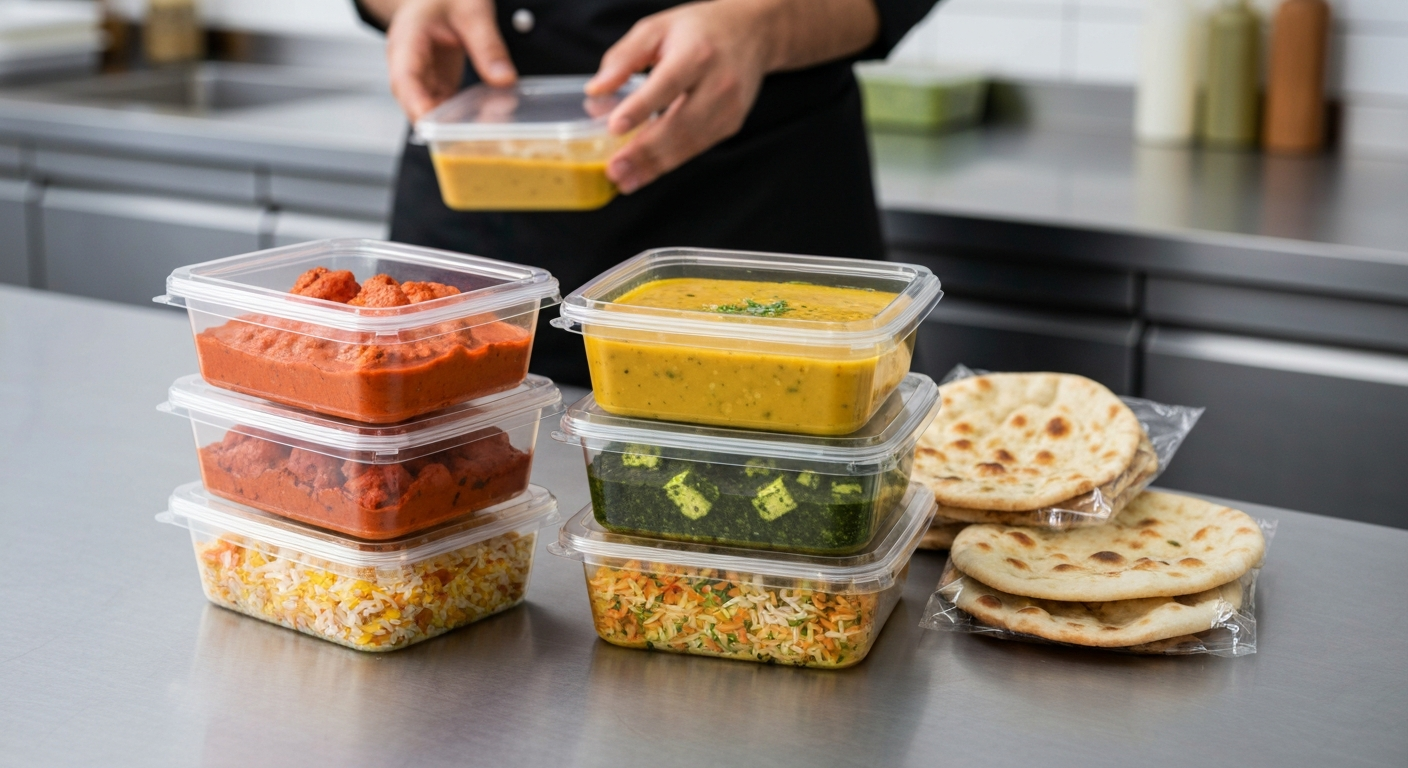
The landscape of food service has been dramatically reshaped by the rise of ghost kitchens, offering entrepreneurs and established brands new avenues for reach and profitability. For those specializing in the rich and diverse flavors of Indian cuisine, the challenge isn't just about authenticity, but about achieving ghost kitchen indian workflow efficiency at high volumes. Indian cooking, renowned for its complexity, layered flavors, and often lengthy preparation times, presents unique operational hurdles that demand strategic solutions to ensure speed, consistency, and profitability in a delivery-first model.
Optimizing workflow in a ghost kitchen serving Indian food means meticulously examining every step from ingredient sourcing to final dispatch. It's about transforming a traditionally labor-intensive culinary art into a streamlined, repeatable process without sacrificing the quality or authenticity that customers expect. This guide delves into practical strategies for achieving precisely that, helping ghost kitchen operators not only meet demand but exceed it with operational excellence.
The Unique Workflow Challenges of Indian Cuisine in Ghost Kitchens
Indian cuisine, with its vast regional variations and intricate recipes, often relies on fresh, labor-intensive preparations. From grinding whole spices to slow-cooking gravies and kneading doughs, traditional methods can be time-consuming. In a ghost kitchen environment, where speed and consistency are paramount for delivery platforms, these methods can become bottlenecks. Key challenges include:
- Labor Intensity: Many Indian dishes require skilled chefs and significant prep time, leading to high labor costs and potential inconsistencies if staff turnover is high.
- Ingredient Management: A wide array of spices, fresh produce, and dairy products necessitates robust inventory management to minimize waste and ensure freshness.
- Consistency: Replicating complex flavors and textures across hundreds of orders daily demands strict standardization, which can be difficult with traditional, freehand cooking methods.
- Speed of Service: Delivery platforms penalize slow preparation times. Dishes that take too long to cook or assemble directly impact customer satisfaction and platform rankings.
- Space Constraints: Ghost kitchens often operate in compact spaces, requiring efficient layout and equipment utilization.
Addressing these challenges is critical for any ghost kitchen aiming for long-term success with an Indian menu.
Strategic Menu Engineering for Peak Efficiency
The first step to optimizing workflow is a smart menu. Not every traditional Indian dish is suited for high-volume ghost kitchen production. Focus on:
- Scalable Dishes: Prioritize dishes that can be partially prepped or batch-cooked without compromising quality. Curries, biryanis, and certain lentil preparations (dals) often fit this mold.
- Cross-Utilization of Ingredients: Design your menu so that common ingredients, gravies, and spice blends are used across multiple dishes. This reduces inventory complexity and prep time.
- Limited Customization: While offering some choice is good, excessive customization requests can slow down the line. Offer curated options rather than 'build-your-own' for complex items.
- Delivery Resilience: Select dishes that travel well and maintain their texture and temperature during transit. Soupy dishes or items prone to sogginess might need careful consideration or special packaging.
The Power of Standardized, Chef-Grade Ingredients
One of the most impactful strategies for ghost kitchen indian workflow efficiency is the adoption of high-quality, pre-made gravies, pastes, and spice blends. This approach directly tackles labor intensity, consistency, and speed. Products like MITRA's chef-grade Indian gravies and pastes are designed precisely for this purpose.
Ensuring Consistency and Reducing Labor
Imagine a kitchen where the foundational gravies for Butter Chicken, Dal Makhani, or Korma are consistently perfect, every single time, without hours of simmering and blending. This is the advantage of using professionally prepared bases. It allows your kitchen staff to focus on finishing dishes, ensuring rapid turnaround.
- Eliminate Prep Time for Bases: Hours spent chopping onions, ginger, garlic, tomatoes, and slow-cooking gravies are eliminated.
- Guaranteed Flavor Profile: Every batch of a dish will taste the same, regardless of who is on shift, ensuring brand consistency across all orders.
- Reduce Skilled Labor Dependency: While skilled chefs are still vital, the reliance on highly specialized labor for foundational preparations is significantly reduced, addressing staffing challenges.
- Waste Reduction: Pre-made gravies come in bulk, reducing spoilage of fresh ingredients and minimizing food waste.
MITRA products are manufactured to stringent quality standards, holding certifications such as FSSAI, US FDA, ISO, Halal, HACCP, and GMP. These certifications ensure that the products are not only authentic in flavor but also meet global safety and quality benchmarks, crucial for any commercial kitchen.
Streamlined Sourcing and Supply Chain
Partnering with a reliable supplier for these essential components also simplifies your supply chain. Instead of managing dozens of individual spice and produce vendors, you can consolidate. ODOD LLC offers a robust supply chain to support high-volume operations. Our minimum order quantity (MOQ) is 50 kg, designed to cater to the needs of professional kitchens and distributors.
When products are in stock in our US (Houston) or local-country warehouses, they ship in just 2 days. For items not immediately in stock, the lead time is typically 35-60 days, and customers are notified immediately of any potential delays. We proudly serve a growing list of countries, including the USA, Canada, UK, UAE, Australia, Germany, Italy, India, France, Ireland, Switzerland, and Netherlands, ensuring broad access to our chef-grade ingredients.
Optimizing Prep and Production Lines
Even with pre-made bases, efficient internal processes are crucial.
Mise en Place and Batch Prep
- Dedicated Prep Stations: Assign specific areas for chopping vegetables, portioning meats, or preparing garnishes. Ensure all necessary tools and ingredients are within easy reach.
- Batch Cooking Components: Beyond gravies, consider batch-cooking rice, boiling lentils, or pre-cooking chicken or paneer that can be quickly added to a base sauce upon order.
- Smart Portioning: Pre-portioning ingredients into individual serving sizes (e.g., small containers of chopped cilantro, pre-weighed spices for specific dishes) drastically speeds up assembly.
Kitchen Layout and Equipment
- Linear Workflow: Design your kitchen layout to support a linear flow from prep to cook to plate/package. Minimize unnecessary movement and bottlenecks.
- Specialized Equipment: Invest in equipment that can handle high volumes and speed up processes. Large-capacity rice cookers, commercial blenders, multiple induction burners, and efficient tandoors (if applicable) are critical.
- Dedicated Zones: Create distinct zones for different stages of cooking (e.g., sauté station, finishing station, packaging area) to prevent cross-contamination and improve organization.
Advanced Cooking Techniques and Equipment
Leveraging modern kitchen technology can significantly boost throughput.
- Induction Cooktops: Offer precise temperature control and rapid heating, ideal for quick finishing of curries and sautés.
- Combi Ovens: Excellent for roasting meats or vegetables in large batches, ensuring even cooking and consistent results.
- High-Speed Blenders/Processors: For any fresh purees or pastes still made in-house, these are indispensable.
- Pressure Cookers: Can significantly reduce cooking times for dals and certain meat dishes.
Seamless Packaging and Dispatch
The final stage before delivery is critical for customer satisfaction.
- Ergonomic Packaging Station: Design a dedicated area with easy access to all packaging materials, labels, and sealing equipment. Minimize reaching and bending.
- Quality Packaging: Use robust, leak-proof containers that maintain food temperature and integrity during transit. Consider separate containers for gravies and solids to prevent sogginess.
- Clear Labeling: Accurate and clear labeling is essential for order accuracy and customer satisfaction. Implement a system for quick, error-free labeling.
- Efficient Hand-off: Streamline the process for handing off completed orders to delivery drivers. A well-organized staging area prevents congestion and delays.
Leveraging Technology for Operational Control
Technology is the backbone of an efficient ghost kitchen.
- Order Management System (OMS): A robust OMS integrates with various delivery platforms, consolidating orders into a single interface. This reduces errors and provides a clear overview of incoming demand.
- Kitchen Display System (KDS): A KDS replaces paper tickets, displaying orders digitally on screens. It allows for real-time tracking of order status, prioritization, and communication between different kitchen stations, significantly improving ghost kitchen indian workflow efficiency.
- Inventory Management Software: Crucial for tracking ingredients, predicting demand, and automating reorder points. This minimizes waste and ensures you always have necessary MITRA products in stock.
- Data Analytics: Utilize data from your OMS and KDS to identify peak hours, popular dishes, bottlenecks, and areas for further optimization.
Staff Training and Performance
Even the most optimized workflow requires a well-trained team. Implement:
- Standard Operating Procedures (SOPs): Document every step of the cooking and packaging process. This ensures consistency and simplifies training for new hires.
- Cross-Training: Train staff across multiple stations (prep, cook, package) to build flexibility and resilience against staff absences.
- Performance Monitoring: Regularly review staff performance against metrics like prep time, cook time, and order accuracy. Provide constructive feedback and additional training as needed.
Quality Control and Consistency
Maintaining the authentic taste and quality of Indian cuisine is paramount. Implement regular quality checks at various stages:
- Ingredient Inspection: Ensure all incoming ingredients, including MITRA gravies and spices, meet quality standards.
- Taste Tests: Regularly taste dishes at different stages of production and before dispatch to ensure flavor consistency.
- Portion Control: Use scales and standardized portioning tools to ensure consistent serving sizes.
- Customer Feedback Loop: Actively solicit and analyze customer feedback to identify areas for improvement in both food quality and delivery experience.
Conclusion: The Path to Scalable Indian Culinary Excellence
Achieving high-volume production of authentic Indian cuisine in a ghost kitchen environment is a complex undertaking, but it is entirely achievable through meticulous planning and strategic implementation. By focusing on smart menu design, leveraging high-quality standardized ingredients like MITRA's chef-grade gravies and pastes, optimizing your kitchen layout, embracing technology, and investing in your team, you can transform your operations.
Ghost kitchen indian workflow efficiency is not just about speed; it's about building a resilient, consistent, and profitable business model that delights customers with every delivery. By implementing these strategies, your ghost kitchen can deliver the rich, authentic flavors of India with unparalleled speed and consistency, securing your position in the competitive delivery market.
Ready to elevate your ghost kitchen's efficiency and consistency with premium, chef-grade Indian gravies and pastes? Inquire about our products and wholesale options today. Visit ododgroup.com to request a quote or sample.