
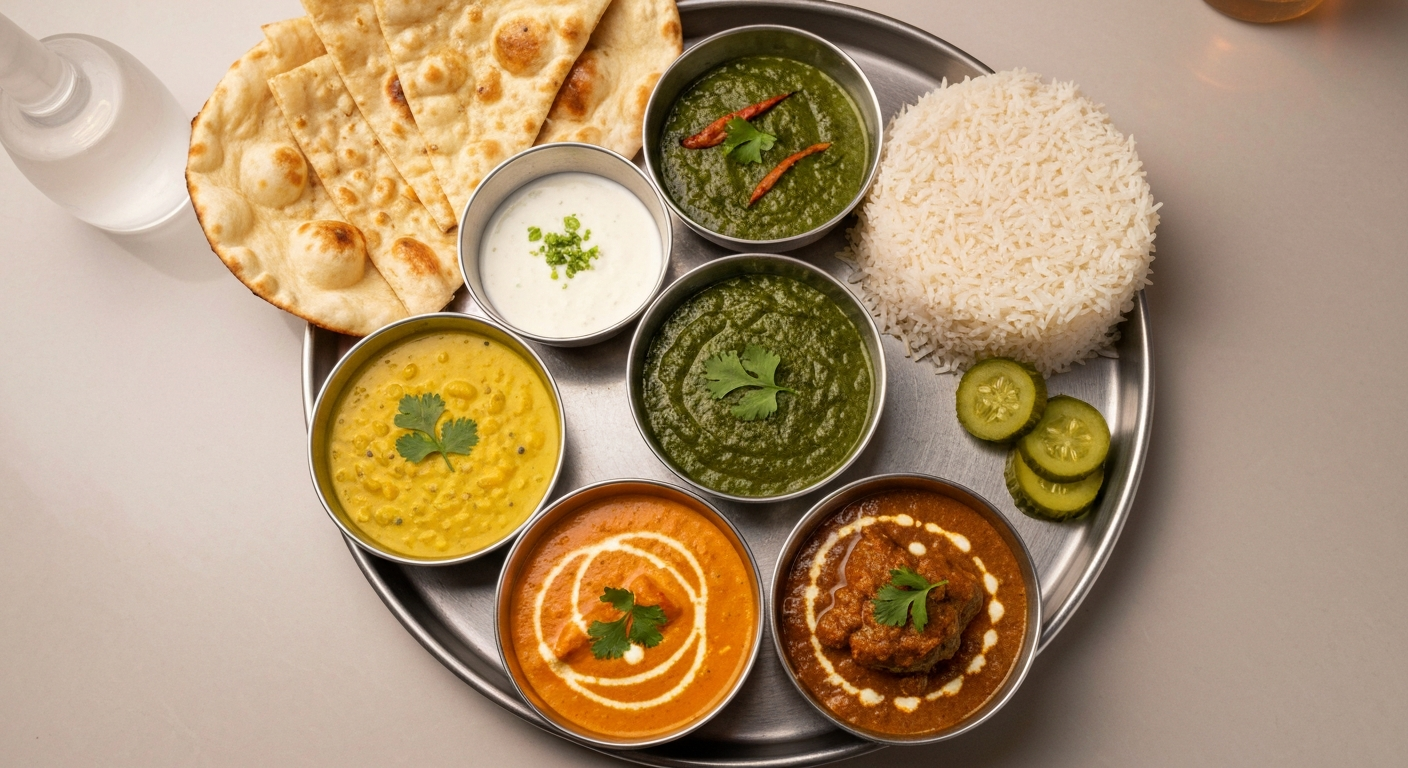
The culinary landscape is constantly evolving, and for restaurant owners specializing in Indian cuisine, understanding and adapting to local preferences is paramount. Generic Indian menus, while offering a broad appeal, often miss opportunities to deeply connect with specific communities. Leveraging indian menu regional consumer insights allows establishments to move beyond a one-size-fits-all approach, crafting offerings that resonate deeply with local palates and cultural nuances, ultimately driving engagement and sales.
This strategy is not merely about adding a new dish; it's about a systematic, data-driven approach to menu development that acknowledges the incredible diversity within Indian cuisine itself. India is a subcontinent of varied climates, ingredients, and culinary traditions. A Keralan fish curry differs vastly from a Punjabi butter chicken, and what delights diners in one American city might not in another. By tapping into specific demographic and dining trend data, restaurants can unlock hyper-local demand and build a more loyal customer base.
Why Regionalization is Critical for Modern Indian Menus
The notion of 'Indian food' often conjures a limited set of dishes in the minds of many consumers outside India. However, the reality is a spectrum of regional cuisines, each with its distinct flavors, cooking methods, and staple ingredients. From the fiery curries of Andhra Pradesh to the subtle, coconut-infused dishes of Goa, and the rich, creamy gravies of North India, the diversity is immense.
For a restaurant operator, this diversity presents both a challenge and a significant opportunity. A menu that attempts to represent all of India often ends up representing none with particular authenticity or depth. Conversely, a menu thoughtfully curated to reflect local consumer insights can:
- Increase Customer Loyalty: Diners appreciate when a restaurant understands their specific tastes and offers dishes that feel tailored to them.
- Boost Sales and Revenue: By offering what people truly want, you reduce waste, increase order frequency, and attract new customers through word-of-mouth.
- Create a Unique Identity: Differentiating your establishment from competitors who might offer more generic Indian fare.
- Optimize Inventory and Operations: Focusing on a specific regional style can streamline ingredient sourcing and kitchen workflows.
Understanding your local market means asking: What are the prevalent dietary habits? What other ethnic cuisines are popular here? What is the demographic breakdown of your primary customer base? The answers to these questions form the foundation for a data-driven menu strategy.
Gathering Indian Menu Regional Consumer Insights: A Practical Guide
Effective menu customization begins with robust data collection and analysis. This isn't about guesswork; it's about making informed decisions based on tangible information. Here are key areas to explore:
1. Point-of-Sale (POS) System Data Analysis
Your POS system is a goldmine of information. Analyze:
- Dish Popularity: Which dishes sell best? Which are slow movers? Look for patterns across different times of day, days of the week, or seasons.
- Ingredient Usage: Identify which core ingredients are most frequently used. This can inform decisions about ingredient sourcing and potential bulk purchasing.
- Average Spend per Customer: Correlate this with specific dish choices or menu categories.
- Order Modifiers: Are customers frequently asking for less spice, more spice, extra sauce, or specific substitutions? These are direct signals of preference.
2. Online Reviews and Social Media Listening
Customers are vocal online. Monitor platforms like Yelp, Google Reviews, TripAdvisor, and social media (Facebook, Instagram) for:
- Specific Dish Mentions: What dishes are consistently praised or criticized?
- Flavor Preferences: Are reviewers commenting on spice levels, sweetness, or unique flavors?
- Competitor Analysis: What are local competitors doing well or poorly? What dishes are popular at other successful restaurants in your area, including non-Indian establishments?
- Dietary Feedback: Are there frequent requests for vegan, gluten-free, or other dietary-specific options?
3. Local Demographic and Economic Data
Publicly available data can provide a broad understanding of your target market:
- Age and Income Brackets: Younger demographics might be more adventurous, while higher-income areas might support premium ingredients or presentation.
- Cultural Backgrounds: Is there a significant South Asian diaspora in your area? Their preferences might lean towards specific regional home-style cooking. Is there a large non-South Asian population interested in exploring authentic regional dishes?
- Local Lifestyle Trends: Areas with a strong health and wellness focus might appreciate lighter, vegetable-forward options or clearly labeled nutritional information.
4. Direct Customer Feedback and Surveys
Don't underestimate the power of direct interaction:
- Server Feedback: Empower your front-of-house staff to gather insights directly from diners about their preferences, suggestions, and overall experience.
- Short Surveys: Implement quick digital surveys via QR codes on tables or email lists to gather specific feedback on potential new dishes or menu concepts.
- Tasting Panels: For significant menu overhauls, consider inviting a diverse group of loyal customers for a tasting and feedback session.
Translating Insights into Menu Strategy
Once you've gathered your indian menu regional consumer insights, the next step is to strategize how to implement these findings into your menu development. This is where culinary artistry meets market intelligence.
1. Adapting Spice Levels and Flavor Profiles
Perhaps the most immediate adaptation is to spice levels. A region with a preference for milder flavors might require a toned-down version of a traditionally spicy dish, or clearly marked spice levels with options for customization. Conversely, a market accustomed to bold flavors might appreciate more authentic, robustly spiced offerings. Consider adjusting the balance of sweet, sour, salty, and umami to align with local palates.
2. Highlighting Regional Specialties
If your data suggests a strong interest in specific regional Indian cuisines, lean into it. Instead of a generic 'chicken curry,' offer a 'Goan Chicken Vindaloo' or a 'Chettinad Chicken.' If there's a significant South Indian population or a health-conscious market, introduce more dosas, idlis, or sambar varieties. For colder climates, Punjabi comfort foods like Sarson da Saag or Dal Makhani might be particularly appealing. This requires deep knowledge of regional dishes and their authentic preparation.
3. Incorporating Local Ingredients and Seasonal Offerings
Local sourcing can be a powerful differentiator. If your region is known for specific produce, seafood, or meats, explore how these can be integrated into Indian preparations. A 'Seasonal Vegetable Korma' using local squash or greens, or a 'Locally Sourced Lamb Rogan Josh,' can create a unique selling proposition. This not only appeals to diners who prioritize freshness and sustainability but also allows for dynamic, evolving menus that keep customers engaged.
4. Addressing Dietary Trends and Preferences
Data often reveals prevalent dietary trends. If there's a strong demand for plant-based options, expand your vegan and vegetarian sections beyond the usual paneer dishes. Introduce innovative plant-based 'meat' alternatives in popular curries, or highlight naturally vegan regional dishes. Similarly, for markets concerned with gluten or dairy, offer clearly labeled options or modifications. This shows attentiveness to modern dining habits.
5. Optimizing Pricing and Portioning
Indian menu regional consumer insights can also inform your pricing strategy. Are your portions perceived as too large or too small for the local market? Does your pricing align with competitor offerings and the perceived value in your area? Adjusting portion sizes, offering combo meals, or introducing smaller, tapas-style options can sometimes significantly impact perceived value and sales.
Operationalizing Data-Driven Menu Changes
Implementing menu changes based on consumer insights requires careful operational planning to ensure consistency, quality, and efficiency.
Staff Training and Communication
Any new menu item or significant change requires thorough training for both kitchen and front-of-house staff. Chefs need to understand new recipes, techniques, and ingredient sourcing. Servers must be knowledgeable about the new dishes, their ingredients, potential allergens, and their regional origins to confidently explain them to customers. This also ensures that the story behind the data-driven choices is effectively communicated to diners.
Supplier Relationships and Ingredient Sourcing
Adopting regional specialties or local ingredients may necessitate adjusting your supplier relationships. Establishing reliable partnerships for specific spices, produce, or specialty items is crucial. For core Indian gravies, pastes, and sauces, relying on consistent, chef-grade suppliers like MITRA can be invaluable. Our products are manufactured to rigorous standards, holding certifications such as FSSAI, US FDA, ISO, Halal, HACCP, and GMP, ensuring consistent quality and authenticity. This allows your culinary team to focus on the nuanced customization that regional insights demand, without compromising on the foundational flavors of Indian cuisine.
Pilot Testing and Phased Rollouts
Instead of a complete menu overhaul, consider pilot testing new dishes as specials or limited-time offers. Gather feedback directly from customers and staff. This allows for adjustments before a full launch, minimizing risk and ensuring that the new items are well-received. A phased rollout can also help manage inventory and train staff gradually.
Continuous Monitoring and Adaptation
Menu optimization is not a one-time event. Continuously monitor your POS data, online reviews, and customer feedback for the new items. Are they selling as expected? Is the feedback positive? Be prepared to make further adjustments based on ongoing indian menu regional consumer insights. The most successful restaurants are those that remain agile and responsive to their market.
The MITRA Advantage in Data-Driven Menu Customization
At ODOD LLC, under our MITRA brand, we understand the complexities of operating a professional kitchen and the demand for authentic, high-quality Indian ingredients. Our range of chef-grade gravies, pastes, sauces, rice, and spices are designed to provide the consistent, reliable foundation that allows your culinary team to innovate and adapt. With our products, you can maintain the authentic essence of Indian cuisine while dedicating your creative energy to tailoring dishes to specific indian menu regional consumer insights.
Whether you're developing a unique regional special using locally sourced ingredients or adapting the spice levels of a classic curry, MITRA's products ensure that the core flavors remain exceptional and consistent. This consistency is vital when experimenting with new menu items or catering to diverse local tastes. Our minimum order quantity is a 50 kg MOQ, catering to the needs of professional kitchens, cloud/ghost kitchens, caterers, cruise-line and hotel kitchens, and food distributors. We currently serve the USA, Canada, UK, UAE, Australia, Germany, Italy, India, France, Ireland, Switzerland, and Netherlands, with more countries being added regularly. If a product is in stock in our US (Houston) or local-country warehouse, it ships in 2 days. If it is not in stock, the lead time is 35-60 days, and the customer is notified immediately of any delay.
Conclusion
In today's competitive restaurant industry, a generic approach to Indian cuisine is no longer sufficient. By embracing indian menu regional consumer insights and adopting a data-driven strategy, restaurant owners and chefs can create menus that truly resonate with their local audience. This not only enhances the dining experience but also builds a stronger brand identity, fosters customer loyalty, and ultimately drives sustained business success. With the right insights and high-quality ingredients, your restaurant can transform into a local culinary landmark, celebrated for its authentic yet adaptable Indian offerings.
Explore how MITRA products can support your journey in data-driven menu customization. Inquire about our wholesale solutions and elevate your Indian menu offerings.
Visit ododgroup.com to request a quote or sample today.