
In the demanding environment of professional kitchens, efficiency and cost control are paramount. For establishments specializing in Indian cuisine, managing complex ingredient lists, varied preparation times, and fluctuating demand can lead to significant food waste and inventory challenges. This is where a strategic foodservice distributor indian food waste solutions partnership becomes invaluable, transforming a transactional relationship into a collaborative effort that empowers clients to thrive.
Foodservice distributors are uniquely positioned to offer more than just delivery; they can become a crucial link in optimizing operations, particularly in the nuanced world of Indian culinary arts. By providing targeted solutions, distributors can help their clients—from bustling Indian restaurants and caterers to large-scale hotel kitchens and cloud kitchens—reduce waste, streamline inventory, and ultimately enhance profitability.
The Unique Challenges of Indian Cuisine in Commercial Kitchens
Indian cuisine, celebrated for its rich flavors and aromatic spices, presents specific operational hurdles in a commercial setting. Unlike simpler menus, preparing authentic Indian dishes often involves:
- Extensive Fresh Produce: Daily requirements for large quantities of onions, tomatoes, ginger, garlic, fresh herbs like cilantro and mint, which are highly perishable.
- Labor-Intensive Gravy Bases: Many iconic Indian dishes start with slow-cooked, complex gravies (e.g., makhani, onion-tomato, cashew-nut) that demand significant time, skill, and a large volume of raw ingredients.
- Diverse Spice Blends: The need for specific, often freshly ground, spice mixes for different regional dishes, leading to a wider array of individual spices to stock and manage.
- Inconsistent Demand: While some dishes are always popular, demand for regional specialties or seasonal items can fluctuate, making accurate forecasting difficult and increasing the risk of ingredient spoilage.
- Batch Cooking vs. À La Carte: While batch cooking gravies can improve efficiency, overproduction without proper storage or demand can lead to substantial waste.
These factors combine to create a scenario where poor inventory management directly translates into high food waste, increased labor costs, and reduced margins. A distributor who understands these intricacies can offer solutions that directly address these pain points.
The Distributor's Role as a Strategic Partner
Moving beyond simply fulfilling orders, a foodservice distributor can elevate their role to that of a strategic partner. This involves:
- Understanding Client Needs Deeply: Engaging with clients to comprehend their specific menu, operational flow, peak hours, and common challenges related to Indian ingredient management.
- Proactive Solution Provision: Not waiting for clients to ask for help, but actively suggesting ways to improve their efficiency and reduce costs.
- Supply Chain Expertise: Leveraging their knowledge of product availability, shelf life, and logistics to recommend optimal ordering frequencies and quantities.
- Education and Training: Providing resources or connecting clients with expertise on best practices for storage, portion control, and waste reduction tailored to Indian ingredients.
By adopting this proactive approach, distributors build stronger relationships, foster loyalty, and create a mutual growth pathway.
Practical Foodservice Distributor Indian Food Waste Solutions
Distributors can offer a suite of practical solutions to help their clients master Indian food inventory and minimize waste. These solutions often revolve around smart product choices, data utilization, and operational best practices.
Leveraging Prepared Gravies, Pastes, and Sauces
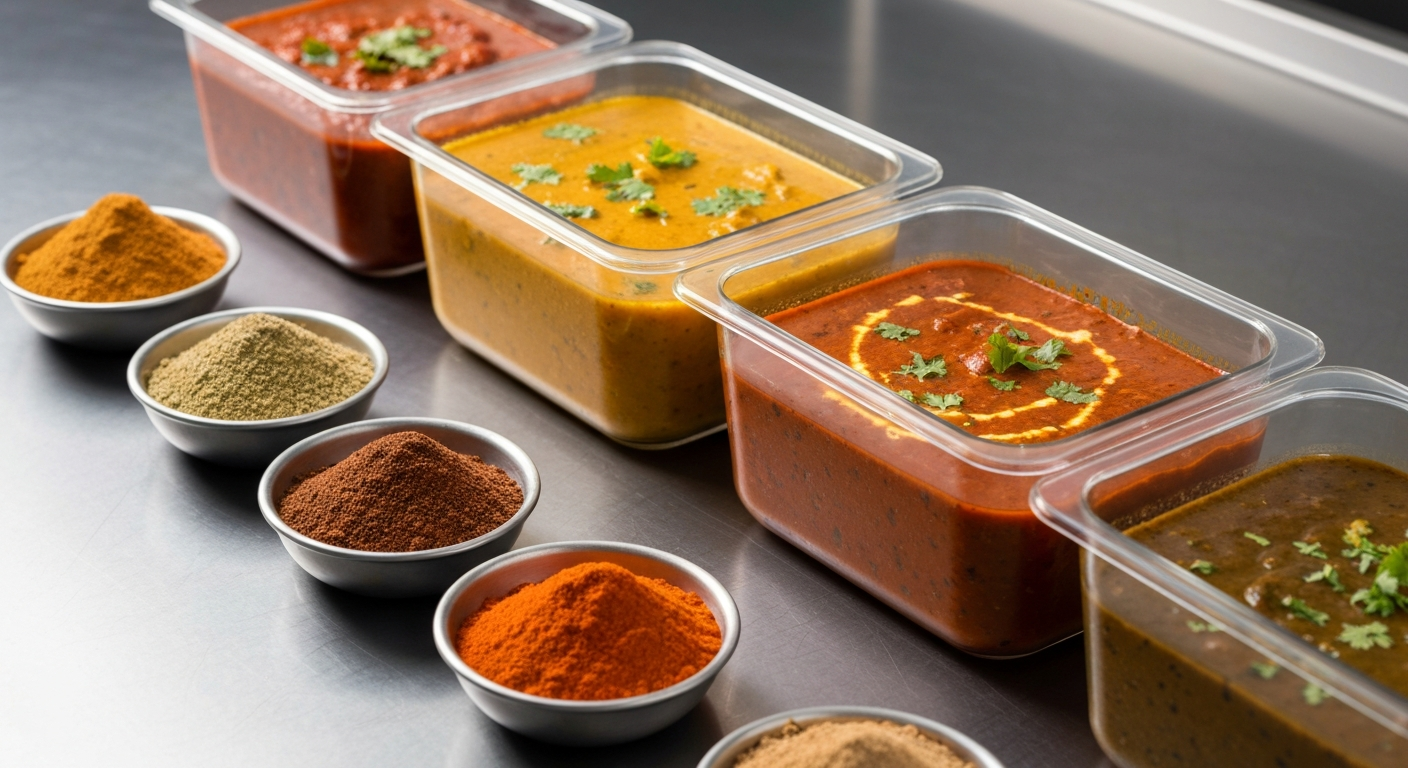
One of the most impactful solutions is introducing chef-grade, ready-to-use Indian gravies, pastes, and sauces. Products like MITRA's range significantly reduce the need for extensive raw ingredient stocking and labor-intensive prep work. Here's how they help:
- Reduced Raw Ingredient Waste: Instead of purchasing large volumes of perishable produce (onions, tomatoes, cashews) that might spoil, kitchens can rely on shelf-stable, high-quality prepared bases.
- Consistent Quality and Flavor: Standardized gravies ensure every dish tastes the same, regardless of the chef on duty, reducing errors and customer dissatisfaction that could lead to wasted food.
- Labor Efficiency: Eliminating hours of chopping, sautéing, and simmering frees up kitchen staff to focus on finishing dishes and other tasks, directly impacting labor costs.
- Precise Portion Control: Prepared products allow for accurate measurement per dish, minimizing over-preparation and reducing plate waste.
- Extended Shelf Life: Our products are manufactured to stringent quality standards, providing a longer shelf life compared to scratch-made gravies, which reduces spoilage risk. MITRA products hold certifications including FSSAI, US FDA, ISO, Halal, HACCP, and GMP, ensuring safety and quality.
For distributors, offering these products means providing a tangible solution to a major client pain point. With a minimum order quantity (MOQ) of 50 kg, clients can manage their stock efficiently. If a product is in stock in our US (Houston) or local-country warehouse, it ships in 2 days. For items not currently in stock, the lead time is 35-60 days, and customers are notified immediately of any delay. We currently serve clients in the USA, Canada, UK, UAE, Australia, Germany, Italy, India, France, Ireland, Switzerland, and Netherlands, with more countries being added.
Data-Driven Inventory Management
Distributors can guide clients in implementing more sophisticated inventory practices:
- Sales Data Analysis: Help clients analyze historical sales data to identify trends for specific Indian dishes. This enables more accurate forecasting and reduces over-ordering of ingredients for less popular items.
- First-In, First-Out (FIFO) Systems: Encourage strict FIFO protocols for all ingredients, especially perishable ones, to ensure older stock is used before it expires.
- Regular Inventory Audits: Advise on scheduled inventory counts to identify discrepancies, pinpoint areas of waste, and prevent stockouts or overstocking.
- Technology Integration: Suggest simple inventory management software or systems that can track usage, flag low stock, and automate reordering suggestions.
Training and Best Practices
Beyond products, knowledge transfer is a powerful value-add:
- Storage Techniques: Educate clients on optimal storage conditions for Indian spices, fresh produce, and prepared gravies to maximize shelf life.
- Menu Engineering: Work with clients to design menus that utilize common ingredients across multiple dishes, reducing the variety of stock needed and minimizing waste from niche items.
- Waste Audits: Help clients conduct periodic waste audits to identify where and why waste is occurring (e.g., spoilage, overproduction, plate waste) and implement corrective actions.
- Portion Control Guidance: Provide training on consistent portioning for all dishes to manage costs and reduce leftovers.
Consolidating Supply Chains
Distributors can offer a comprehensive range of high-quality Indian ingredients—from gravies and pastes to spices and specialty rice. By becoming a single source for many Indian food needs, distributors can:
- Simplify Ordering: Clients can place fewer orders from fewer suppliers, reducing administrative burden and potential for errors.
- Optimize Deliveries: Fewer, larger deliveries mean less receiving time for clients and more efficient logistics for the distributor.
- Volume Discounts: Consolidating purchases through one distributor can lead to better pricing and terms for the client.
The Mutual Benefits of a Strategic Partnership
Adopting a value-added approach to foodservice distributor indian food waste solutions creates a win-win scenario:
For Clients:
- Reduced Food Costs: Directly impacts their bottom line through less waste and optimized purchasing.
- Increased Efficiency: Streamlined operations, less labor spent on basic prep, and better inventory flow.
- Consistent Quality: Reliable products and best practices lead to consistent dish quality, enhancing customer satisfaction.
- Improved Profitability: All these factors contribute to a healthier financial outlook.
- Focus on Culinary Creativity: Chefs are freed from mundane prep to innovate and refine their dishes.
For Distributors:
- Stronger Client Relationships: Fosters trust and loyalty, making the distributor an indispensable partner.
- Increased Sales Volume: As clients recognize the value, they are likely to consolidate more of their purchasing.
- Competitive Advantage: Differentiates the distributor from competitors who only offer transactional services.
- Higher Client Retention: Satisfied clients are less likely to seek alternatives, leading to stable, long-term business.
Partnering for Success in Indian Foodservice
In the competitive foodservice landscape, distributors who offer genuine value beyond just product delivery become indispensable. By providing strategic foodservice distributor indian food waste solutions, you empower your clients to overcome the unique challenges of Indian cuisine, leading to more efficient, profitable, and sustainable operations. This partnership approach not only enhances your clients' success but also solidifies your position as a trusted and vital resource in their supply chain.
Explore how MITRA's chef-grade Indian gravies, pastes, sauces, rice, and spices can be a cornerstone of these solutions. Visit ododgroup.com today to request a quote or sample, and discover how we empower your clients for greater efficiency and culinary excellence.