
In the dynamic world of commercial kitchens, efficiency and sustainability are no longer optional but essential pillars of a successful operation. For restaurants specializing in Indian cuisine, the demand for water can be particularly high, given the extensive preparation often involved. Implementing robust strategies for restaurant water conservation Indian kitchen operations is not just an environmental imperative; it's a smart business decision that directly impacts operational costs and brand reputation.
Indian cooking, celebrated for its rich flavors and diverse regional dishes, often involves meticulous ingredient preparation. This includes washing fresh produce, soaking lentils and rice, and slow-simmering gravies to perfection. Each step, while crucial for authentic taste, presents opportunities for significant water usage. By adopting water-wise practices, professional kitchens can reduce their environmental footprint, lower utility bills, and enhance their overall efficiency.
The Water Footprint of Indian Cuisine: Challenges and Opportunities
The preparation of authentic Indian dishes, from the simplest dal to the most complex biryani, traditionally involves several water-intensive stages. Understanding these specific demands is the first step towards effective conservation.
Ingredient Washing and Soaking
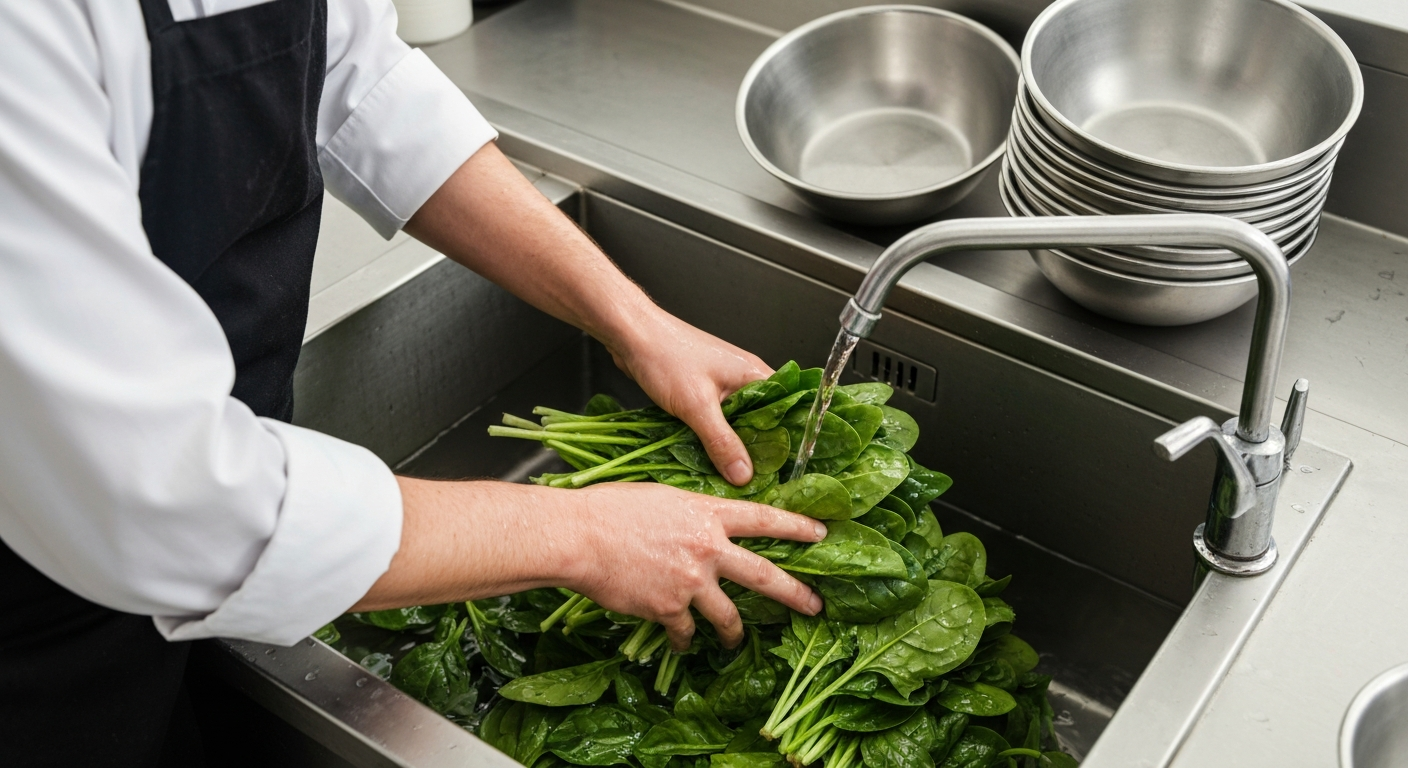
Fresh vegetables, leafy greens, and herbs are fundamental to Indian cooking. Thorough washing is essential for hygiene and quality. Similarly, many legumes, grains, and nuts require soaking for several hours or even overnight to reduce cooking time and improve digestibility. While necessary, these processes can consume substantial amounts of water if not managed efficiently. Consider the volume of water needed daily for washing spinach for saag, various lentils for curries, or basmati rice for pilafs.
Gravy and Sauce Preparation
Many iconic Indian dishes are built upon rich, slow-cooked gravies and sauces. These often require significant amounts of water or broth and extended simmering times, leading to evaporation and the need for replenishment. While essential for developing deep flavors and desired consistency, inefficient simmering or oversized pots can contribute to higher water consumption.
Dishwashing and Sanitation
Commercial kitchens operate under strict hygiene standards, necessitating frequent and thorough cleaning of utensils, cookware, and surfaces. Indian cuisine, with its use of oil, spices, and often sticky ingredients, can leave behind residue that requires more vigorous cleaning. High-temperature dishwashers, pre-rinse stations, and floor cleaning all contribute to a kitchen's overall water usage.
Ice Production and Beverage Service
Beyond cooking, water is critical for ice machines, beverage dispensers, and general hydration for staff and customers. While often overlooked, the efficiency of these systems can also play a role in a restaurant's total water consumption.
Practical Strategies for Restaurant Water Conservation in Indian Kitchens
Adopting a water-wise approach requires a multi-faceted strategy, combining equipment upgrades, procedural changes, and staff training. Here are actionable steps for Indian kitchens:
1. Optimize Ingredient Preparation
- Batch Washing: Instead of washing small batches of vegetables under a running tap, use large sinks filled with water. Wash multiple items at once, and consider using a three-compartment sink system for washing, rinsing, and sanitizing. For produce requiring heavy cleaning, a pre-soak can loosen dirt, reducing the need for prolonged rinsing.
- Efficient Soaking: For lentils, rice, and legumes, use only the necessary amount of water for soaking. Consider repurposing clean soaking water for initial rinsing of other produce or for non-potable uses if appropriate and safe (e.g., mopping floors).
- Blanching and Steaming: When par-cooking vegetables, opt for steaming over boiling when possible. Steaming uses significantly less water and can often preserve more nutrients and flavor.
2. Streamline Cooking Processes
- Lids on Pots: A simple but effective tip: always use lids on pots and pans during simmering. This dramatically reduces evaporation, cutting down on the need to add more liquid and saving energy.
- Precision Cooking: Train chefs to use precise measurements for liquids in recipes to avoid overfilling and subsequent reduction, which can waste both water and energy.
- Combi Ovens and Steamers: Invest in modern cooking equipment like combi ovens or commercial steamers. These appliances use water much more efficiently than traditional boiling methods, often requiring only a small amount of water to generate steam for cooking.
- Pre-Prepared Ingredients: Utilizing high-quality pre-prepared gravies, pastes, and sauces, such as those offered by MITRA, can drastically reduce the need for extensive washing, chopping, and simmering from scratch. This not only saves water but also labor and energy, streamlining kitchen operations significantly.
3. Upgrade Equipment and Fixtures
- Low-Flow Pre-Rinse Spray Valves: These are essential in dishwashing areas. Traditional spray valves can use up to 5 gallons per minute (GPM), while high-efficiency models can reduce this to 0.64 to 1.6 GPM, saving thousands of gallons annually.
- High-Efficiency Dishwashers: Modern commercial dishwashers are designed to use less water per cycle while maintaining superior cleaning performance. Look for models with ENERGY STAR certification, which often indicates water efficiency as well. Consider models with drain-water heat recovery systems to save energy.
- Water-Saving Faucets and Toilets: Install low-flow aerators on all kitchen faucets and water-efficient toilets in restrooms. These small changes add up over time.
- Water Filtration Systems: Regular maintenance of water filters can prevent blockages and ensure efficient water flow, avoiding unnecessary water wastage.
- Ice Machines and Refrigeration: Ensure ice machines and refrigeration units are well-maintained. Leaky lines or inefficient cooling systems can lead to water waste. Consider air-cooled models for ice machines where feasible.
4. Implement Smart Cleaning and Sanitation Practices
- Scrape Before Rinsing: Train staff to scrape food scraps into the trash or compost before rinsing dishes. This reduces the amount of food debris going down the drain and the water needed for pre-rinsing.
- Fill Sinks Efficiently: When handwashing dishes, fill sinks with water instead of letting the tap run continuously. Use the minimum amount of water necessary for effective cleaning and rinsing.
- Mop Water Reuse: For floor cleaning, consider using the initial greywater from a three-compartment sink (if it's clean enough and doesn't contain harsh chemicals) for initial floor mopping, followed by fresh water for final sanitization.
- Scheduled Cleaning: Consolidate cleaning tasks to avoid repetitive rinsing and washing. For example, clean multiple cutting boards at once rather than individually throughout the day.
5. Staff Training and Culture
- Educate Employees: Conduct regular training sessions on water conservation best practices. Explain the 'why' behind the changes – the environmental benefits and cost savings.
- Post Reminders: Place clear signage near sinks and dishwashing stations reminding staff to turn off taps, scrape plates, and report leaks.
- Designate Water Champions: Appoint a staff member to monitor water usage, identify leaks, and suggest further improvements.
- Regular Audits: Periodically audit water usage and identify areas of high consumption. Track progress and celebrate achievements to foster a culture of sustainability.
The Role of MITRA Products in Water-Wise Operations
For Indian kitchens aiming for maximum water efficiency, integrating high-quality, pre-prepared ingredients can be a game-changer. MITRA's range of chef-grade Indian gravies, pastes, sauces, and rice products are manufactured to stringent standards, including FSSAI, US FDA, ISO, Halal, HACCP, and GMP certifications.
By sourcing ready-to-use gravies and pastes, kitchens significantly reduce the need for:
- Extensive Vegetable Washing: Many base ingredients are already processed.
- Prolonged Soaking: Lentils and rice are often pre-cleaned or require minimal rinsing.
- Long Simmering Times: The foundation of your dishes is already perfectly cooked and ready to be customized, reducing the water evaporated during initial preparation.
- Ingredient Prep Cleanup: Less raw ingredient processing means less equipment to wash.
This approach not only conserves water but also saves valuable labor time, reduces energy consumption, and ensures consistent quality and flavor across all dishes. It allows chefs to focus on finishing touches and customization, enhancing the dining experience while operating more sustainably.
Beyond Water Conservation: Broader Benefits
Implementing water-wise strategies in your Indian kitchen extends beyond environmental stewardship and cost savings. It builds a reputation as an eco-conscious business, appealing to an increasingly environmentally aware customer base. It also improves operational efficiency, standardizes processes, and can lead to a more organized and productive kitchen environment.
Get Started with Sustainable Sourcing
Embracing water conservation is a continuous journey. By systematically evaluating your kitchen's water usage, investing in efficient equipment, training your staff, and strategically sourcing high-quality, pre-prepared ingredients like MITRA's range, your Indian restaurant can significantly reduce its environmental impact and enhance its bottom line.
MITRA products are available for wholesale orders with a 50 kg minimum order quantity (MOQ). If a product is in stock in our US (Houston) or local-country warehouse, it ships in 2 days. If it is not in stock, the lead time is 35-60 days, and the customer is notified immediately of any delay. We currently serve businesses in the USA, Canada, UK, UAE, Australia, Germany, Italy, India, France, Ireland, Switzerland, and Netherlands, with more countries being added regularly.
Ready to transform your kitchen's efficiency and sustainability? Inquire about our products and solutions today via ododgroup.com.